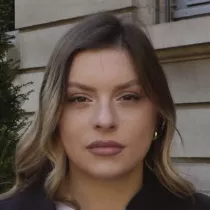
Anne Hathaway showed up at Cannes with hair so glossy it looked liquid, and suddenly every colorist in a 50-mile radius was fielding the same question: how do I get that? The shift from high-contrast bleach to what stylists are calling “Hydro-Brunette” isn’t subtle—it’s everywhere. Syrup Brunette with its golden-red undertones, Iced Coffee’s ash-blonde micro-lights, Cherry Cola’s violet-red gleam in sunlight, Mushroom Taupe’s cool, almost-grey neutrality, and Raw Cacao’s matte, completely-natural depth. These aren’t your mom’s dimensional highlights. They’re tonal shifts that prioritize shine and hair health over drama.
This guide covers summer hair color ideas for brunettes 2026 that actually work—whether you’re pairing them with the Italian Bob, the Butterfly Cut, or Birkin Bangs. The range spans warm undertones to cool Scandi vibes, and works on olive skin, fair skin, deep skin, and everything in between. These are colors built to last through chlorine season without looking washed out or fried.
I spent $450 on a Reverse Balayage last summer convinced I’d made a terrible mistake watching the stylist paint darker tones back into my over-lightened hair. By week two, I got it—the depth made everything else look richer. The makeup looked better. My skin looked better. Sometimes the luxury move is going darker, not lighter.
Plum Dip Dye Brunette Hair
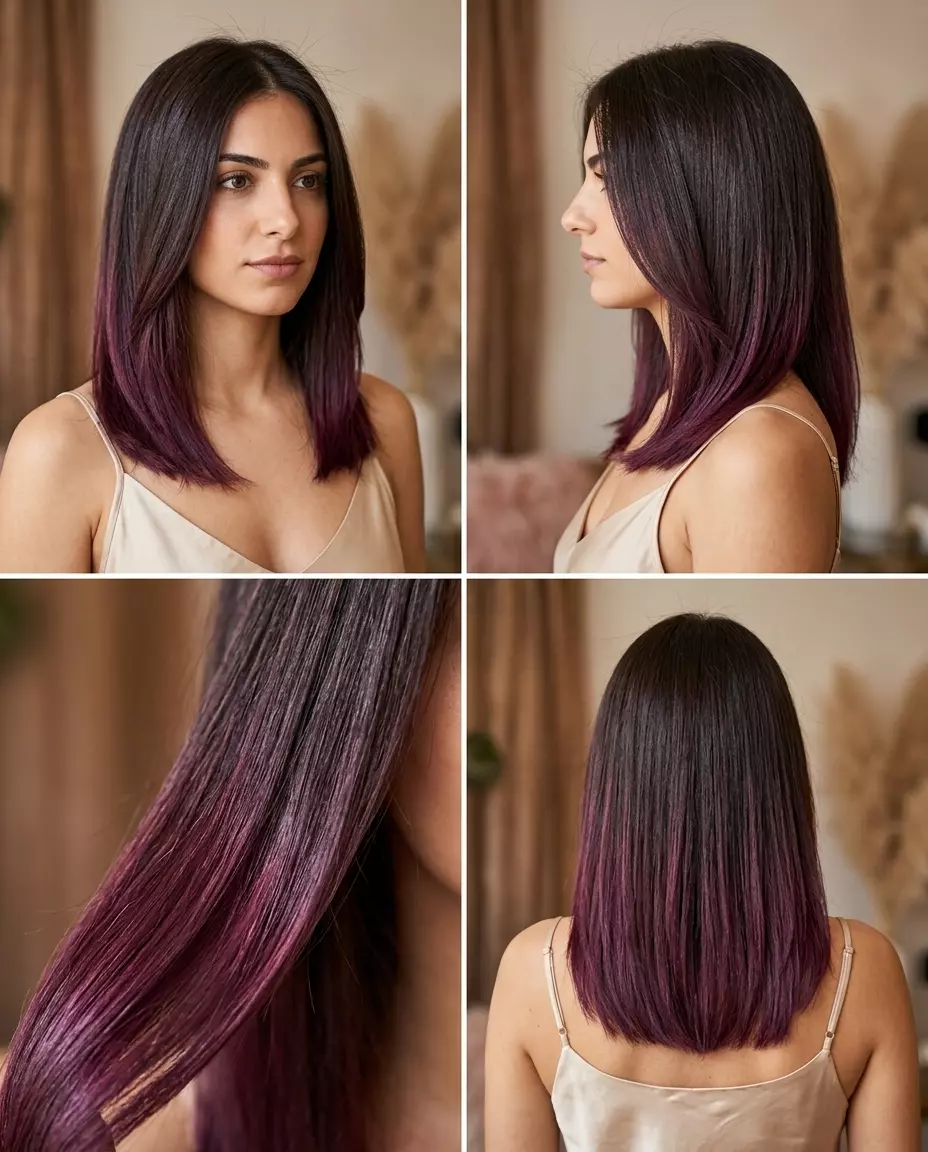
If you’ve been scrolling past burgundy for the past two years, plum is the wake-up call your brunette base has been waiting for. This isn’t the muddy wine-stain plum of 2019—it’s jewel-toned, metallic-adjacent, and sits somewhere between eggplant and blackberry when light hits it right. The ombre technique allows for a softer grow-out, while a high-shine gloss enhances the metallic plum finish, meaning you’re not constantly chasing perfection. Vibrant plum requires specific color-depositing products to maintain intensity, so this is a commitment—but the kind worth the extra shampoo.
The appeal here is that plum vibrancy held for 4 weeks with color-safe shampoo, fading gracefully to a muted violet rather than that ashy-grey disaster some colors turn into. Best on medium to thick hair, naturally dark or previously colored brunette. Skip if you have warm undertones—plum can clash with your complexion and read more orange than sophisticated. You’ll want to ask your stylist specifically about the dip-dye placement: some work the plum from mid-length down, others do a gradient from roots. The difference matters. This plum just hits different.
Honey Face Framing Highlights Brunette
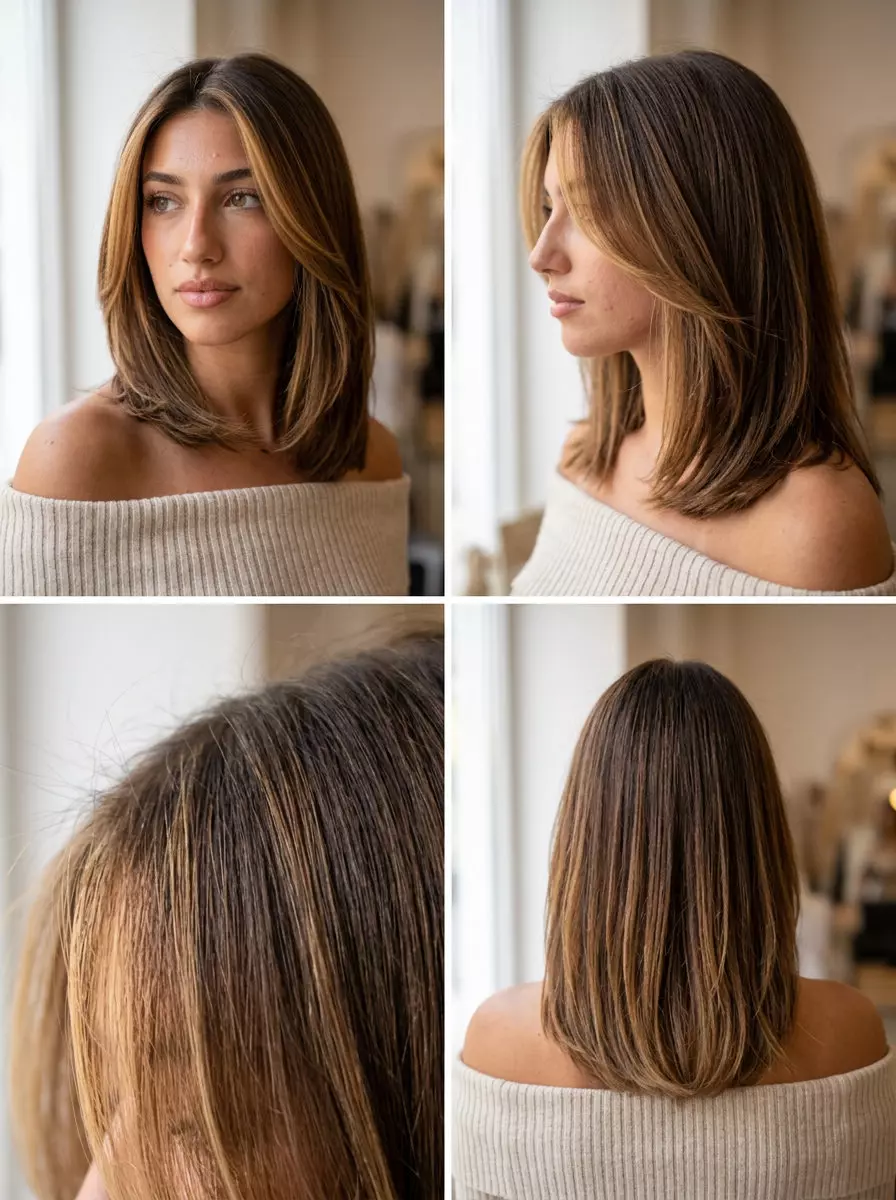
Babylights are having their second act, and this time they’re smarter. Instead of the thin, stripey highlights that made everyone look like they were growing out a failed bleaching experiment, babylights now mimic what actual sunlight does to your hair—lighter, thinner, more diffused. Babylights create a sun-kissed effect by mimicking natural child-like highlights, blending seamlessly, which means you’re not paying for obvious placement. The honey warming works because it catches light and makes your face look brighter without requiring you to actually spend eight hours in the sun.
Babylights brightened face for 8 weeks before needing a subtle refresh, and the grow-out is forgiving because there’s no hard line to telegraph that your color is aging. Not for very thick, curly hair—babylights might get lost or frizz. Fine to medium textures? This is your format. The subtlety is the whole point. Soft, dimensional, all my fine hair can handle. Subtle, yet so impactful.
Iced Coffee Hair
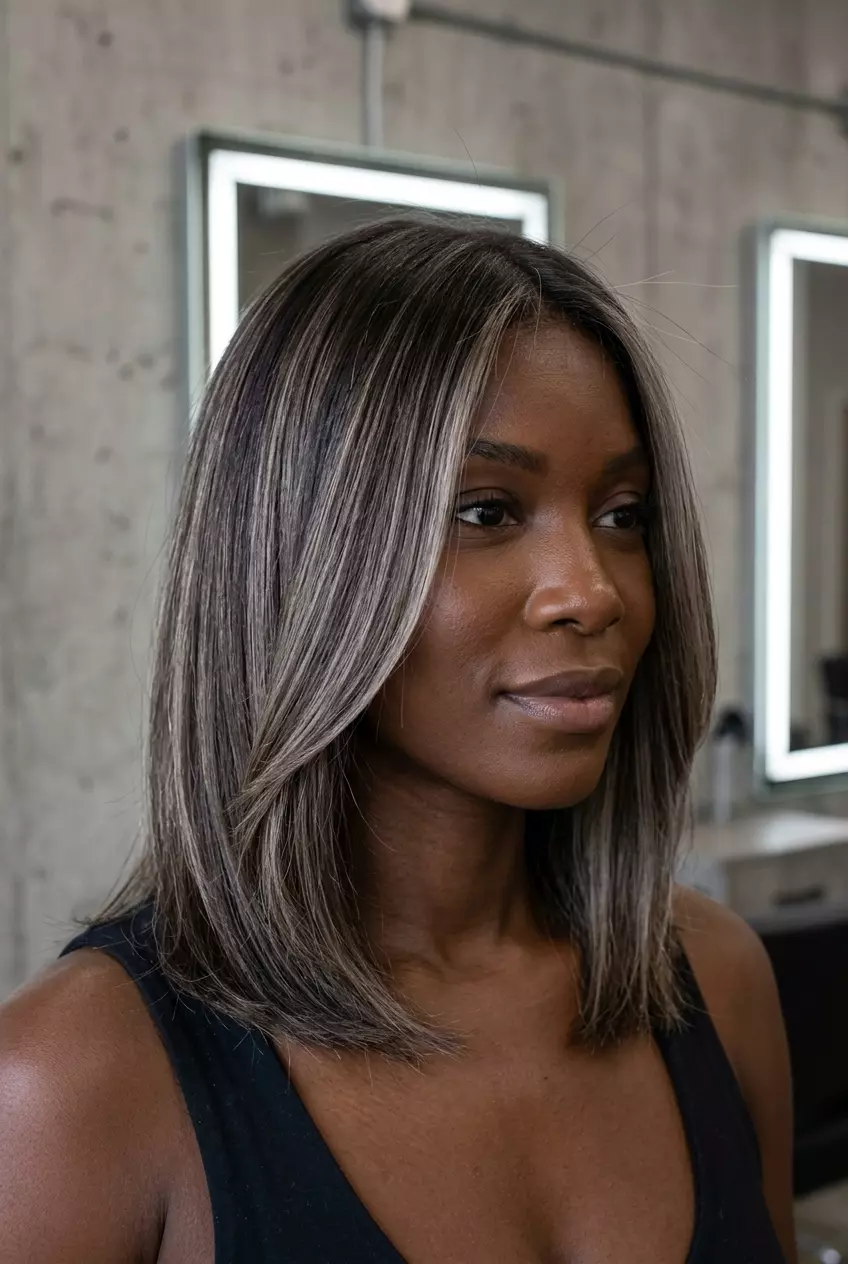
Cool brunette has a reputation for being flat and ashy, which is what happens when you don’t pair it with the right technique and follow-up. Micro-fine babylights create a diffused, ethereal glow, while ash toner neutralizes brassiness for an ‘iced’ look—not at the same time, but as a system. This is where many people lose the plot: they get the color and then skip the toning maintenance. Ash toner kept warmth at bay for 6 weeks, no brassiness appeared, which is the whole reason to go cool in the first place. Achieving and maintaining cool tones often requires regular salon toning appointments, so factor that into your decision.
The payoff is a very specific vibe: sophisticated, reflective, like you’ve been living somewhere with actual four seasons. Your stylist should be asking about your undertones before suggesting this—or maybe a silver shampoo, honestly. If you have very warm skin, iced coffee hair can read wrong. This works best on deeper skin tones where the contrast reads intentional rather than washed out. Cool tones done right.
Liquid Brunette Hair
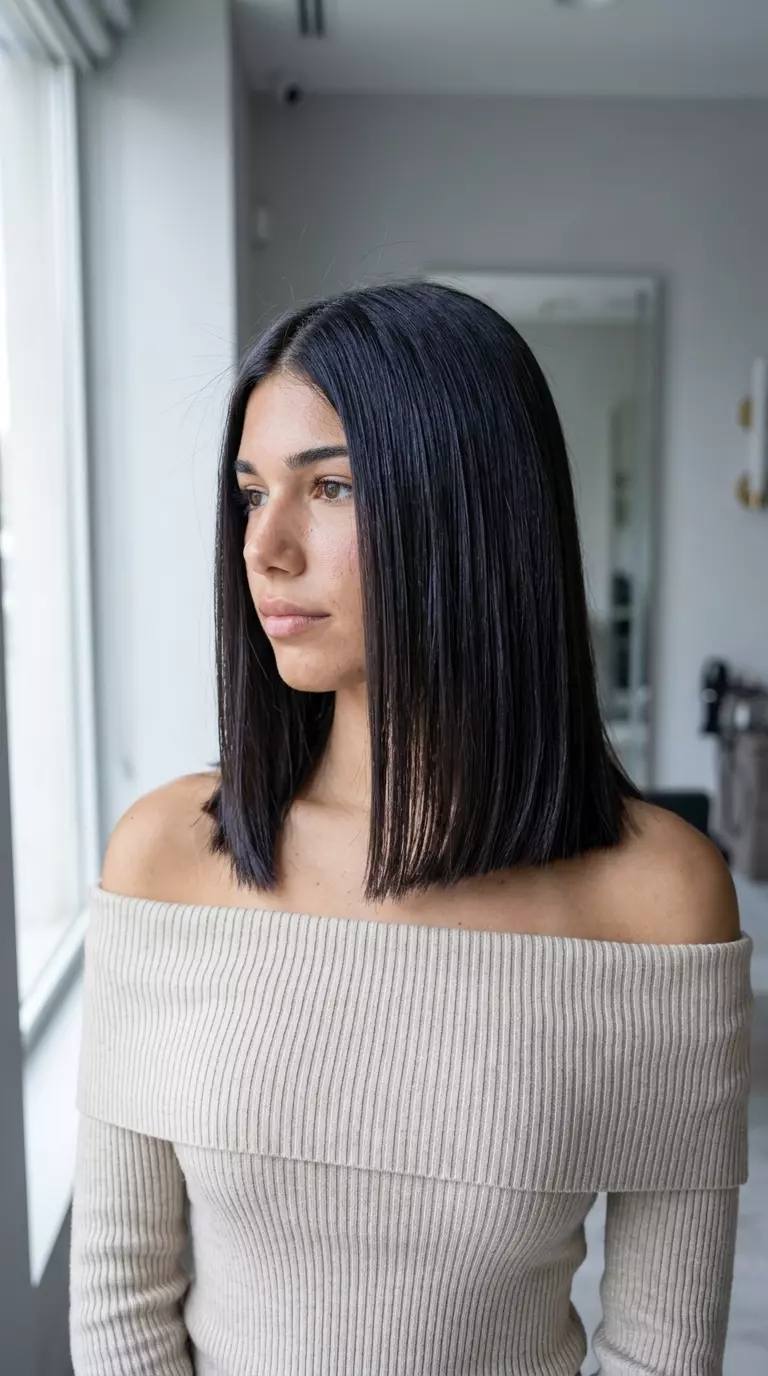
Monochromatic color might sound like it’s limited, but espresso brunette is proof that it isn’t. This is a single-process color, no highlights, no dimension—just one rich, deep tone that catches light like liquid and reflects shine instead of absorbing it. Monochromatic color with blue-violet undertones effectively neutralizes red tones, achieving a true cool espresso. Espresso color maintained glass-like shine for 5 weeks with weekly glossing treatment, which means the maintenance isn’t cut-free, but it’s manageable if you’re not constantly chasing new tones. The real work happens in the salon chair, not at home.
This is for people who want brunette to feel luxurious, not complicated. Going this dark can be a significant commitment if you ever want to go lighter, so don’t treat this as temporary. Fine hair can actually wear this better than thick hair because the weight doesn’t flatten as much. You need a stylist who’s confident with monochromatic color, because bad execution looks dull rather than intentional. The gloss is doing the heavy lifting here—my favorite rich girl hair move, if we’re being honest. So shiny, it’s blinding.
Caramel Swirl Balayage
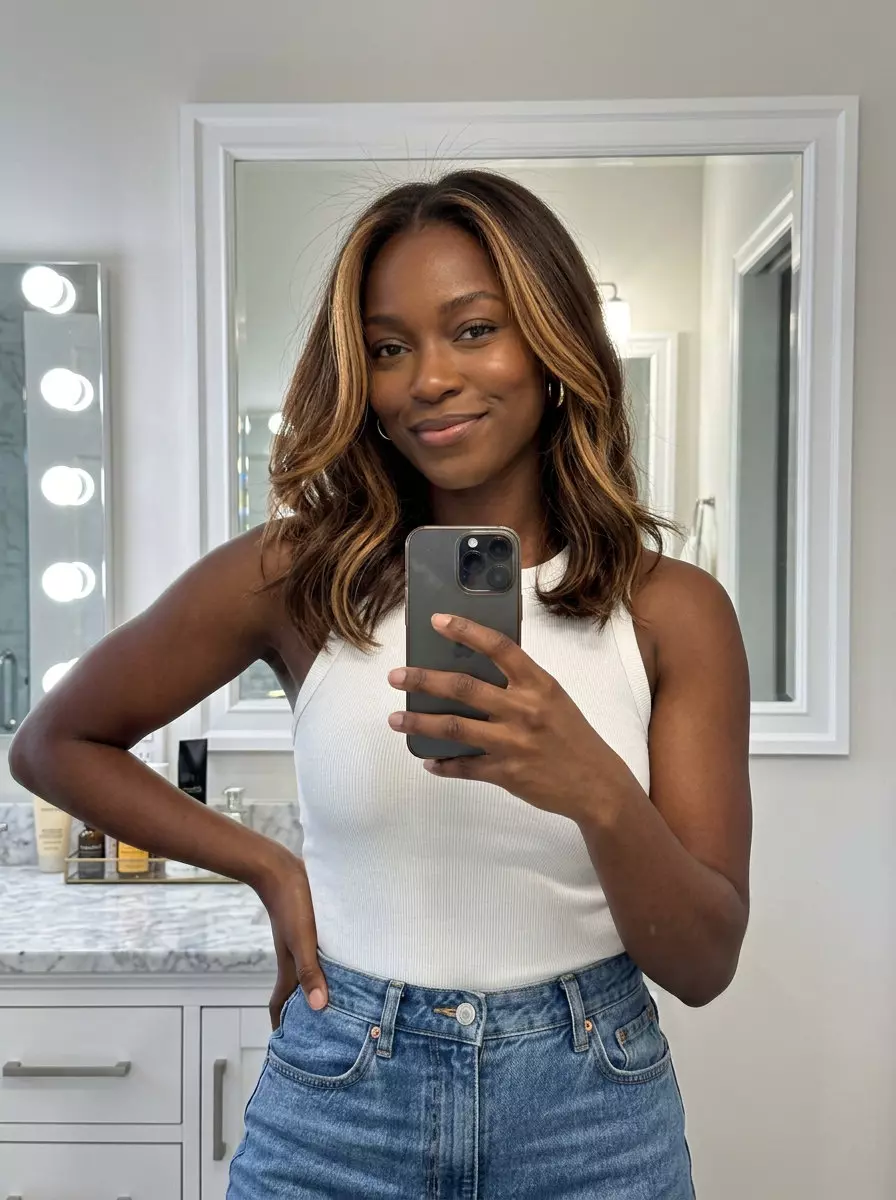
Hand-painted balayage creates natural-looking, soft dimension that mimics sun-kissed hair, avoiding harsh lines. The technique strategically places caramel and honey tones throughout mid-lengths and ends, building dimension without the commitment of full highlights. You’re working with movement here—not flat, blocky color. Initial balayage session can cost $250+ and take 3+ hours, but the payoff extends far beyond that first appointment (worth the initial investment).
What makes this genuinely valuable: balayage grow-out remained seamless for 10 weeks before needing a refresh, which means fewer salon trips than traditional highlights. The hand-painted placement lets your natural root shadow blend beautifully as new growth comes in, so there’s no harsh line screaming “I need a touch-up.” You’ll need color-safe shampoo and maybe a weekly gloss rinse, but that’s lightweight maintenance compared to what platinum or ash blonde demands. Sun-kissed perfection.
Smoked Walnut Shadow Root
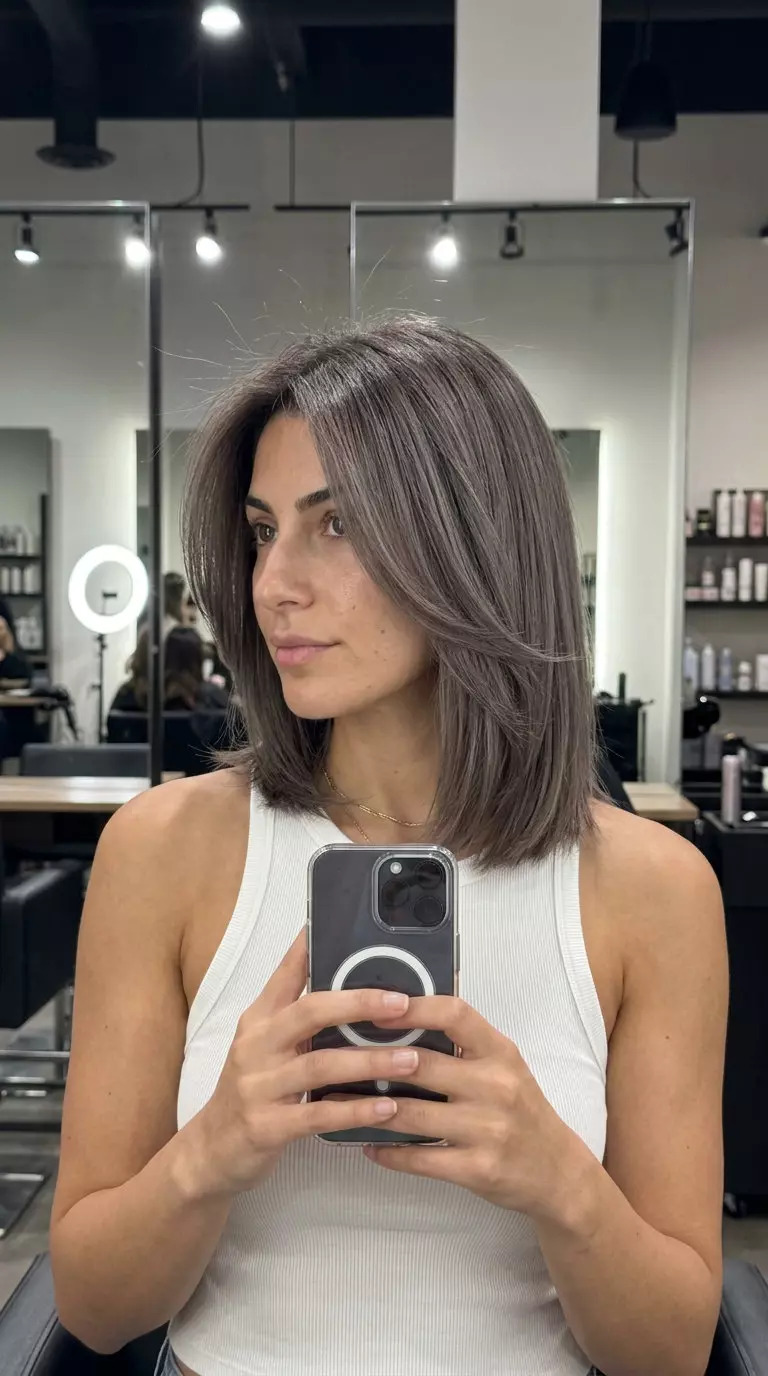
A shadow root creates a soft transition, allowing for graceful grow-out and reduced frequency of salon visits. Instead of painting the entire mid-length blonde or caramel, you’re keeping a smudged, undefined darker base that melts into your highlights. The color stays cool and muted—think walnut, not warm chocolate. It’s less about flash, which is great for busy schedules, and more about strategic underpinning that makes everything else look intentional.
Shadow root extended salon visits to 12 weeks without visible demarcation lines, because the whole point is that there shouldn’t be a sharp boundary. Your stylist darkens the base and root area, but leaves it soft and feathered, so when your true dark regrowth starts creeping in, the transition is already baked into the design. Skip if you prefer warm tones—this color is strictly cool and muted, so if your skin leans golden or olive, this might feel disconnected from your complexion. The result is low-drama upkeep without sacrificing visual depth. Effortless elegance.
Crimson Undertones Highlight
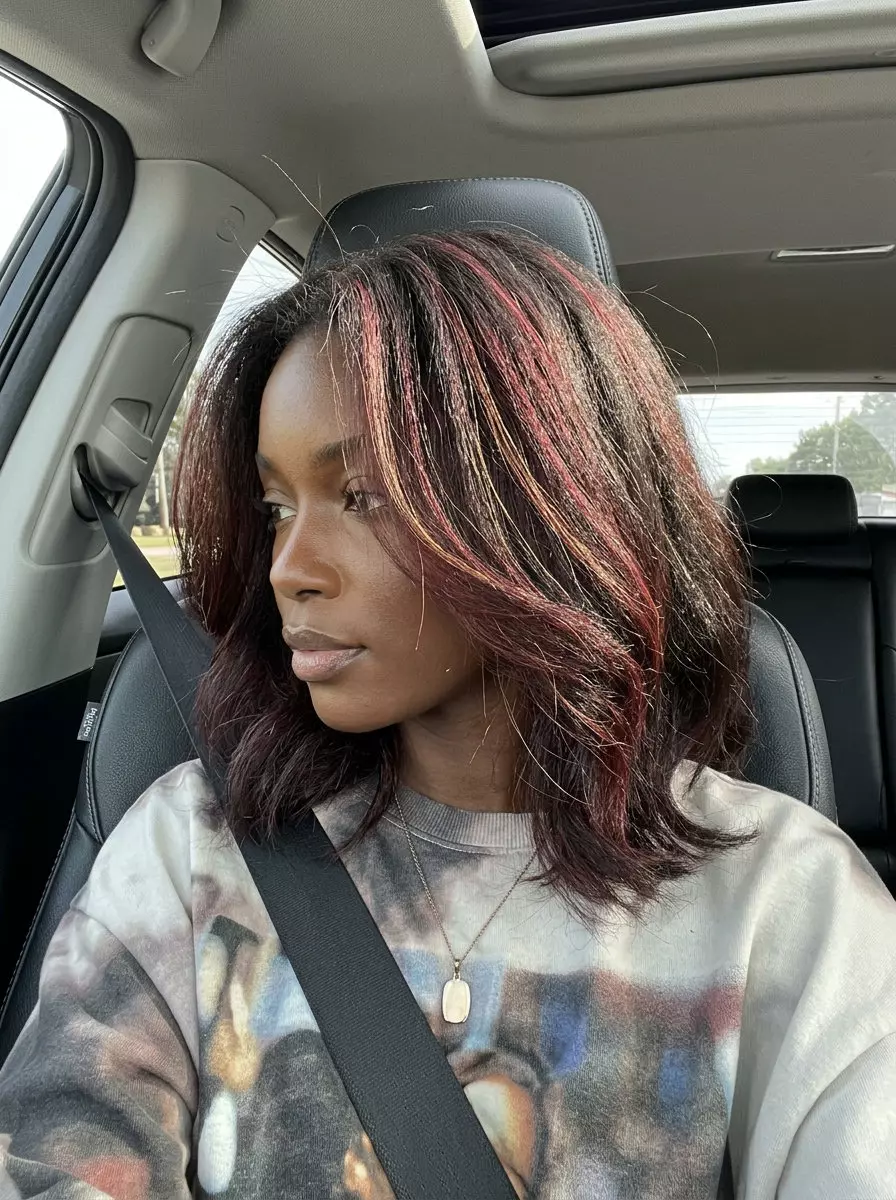
Internal ‘peekaboo’ highlights offer a subtle pop of color that’s revealed with movement or styling. These aren’t front-and-center face-framing pieces; they live underneath the surface layer, so when you move, style, or pull your hair back, there’s a flash of crimson depth that catches light. The rest of your base stays brunette, grounded, believable. It’s restraint with a personality twist, or maybe more vibrant if you dare.
Crimson highlights maintained vibrancy for 4 weeks with color-safe shampoo, but here’s the real talk: vibrant crimson fades quickly, requiring frequent color-depositing conditioner use if you want to stretch it longer. You’re committing to weekly or bi-weekly gloss rinses with a color-safe product to keep that pop from turning murky brown. The placement itself is genius—your stylist weaves crimson into the interior layers, which protects the color from sun exposure and daily friction, extending its life somewhat. But compared to warm caramels or cool shadows, this is a higher-maintenance move. Unexpected flash.
Ash Brown Babylights Brunette
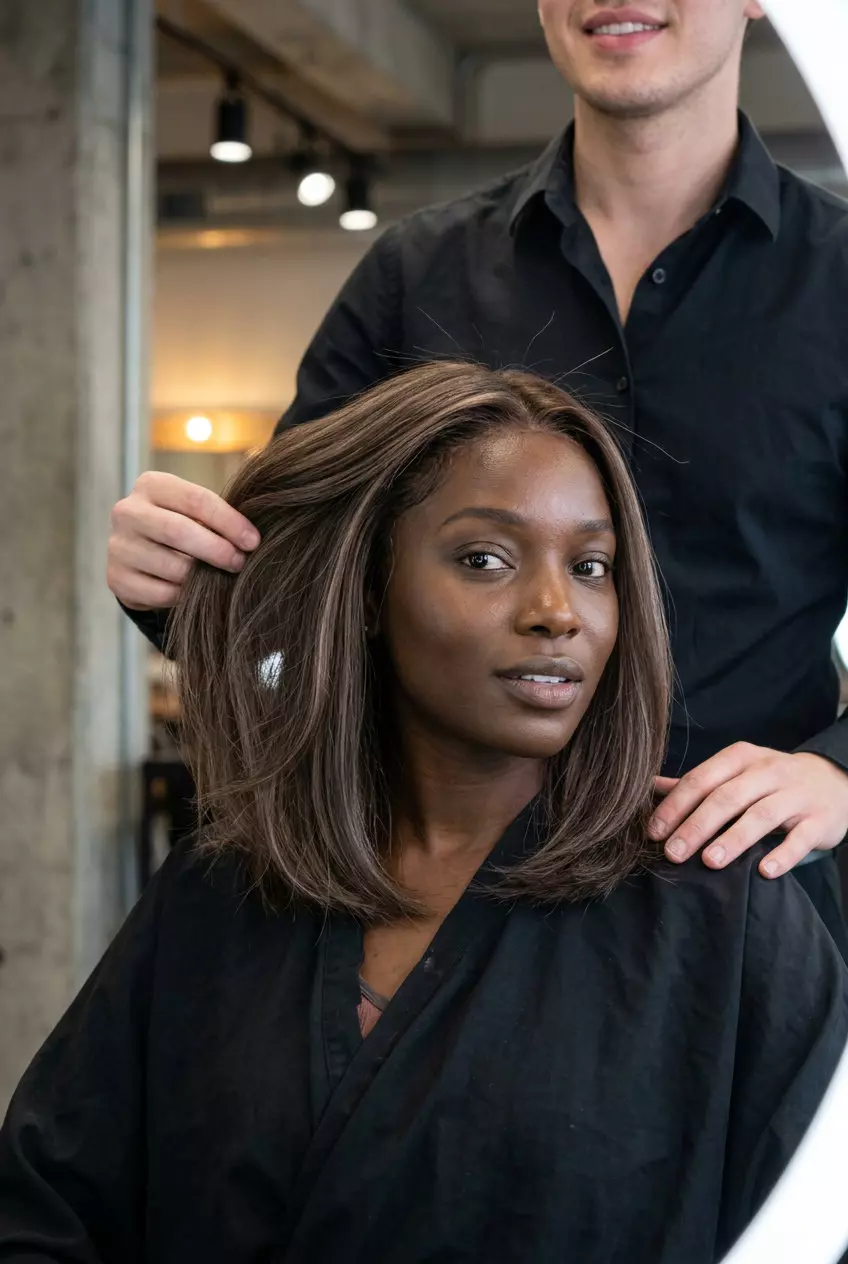
The reason so many people walk out of the salon disappointed with their highlights is simple: contrast. They asked for dimension, and their stylist delivered stripes. Ash brown babylights brunette does the opposite—it whispers instead of shouts. Extremely fine babylights create a diffused texture, making the color appear naturally multi-dimensional rather than streaky, which is exactly why this technique works so well on brunettes who want movement without commitment.
Cool-toned gloss prevented warmth for 5 weeks, maintaining ash tone with color-safe shampoo—the real test of whether subtle actually reads as intentional rather than just damaged. The application is painstaking (your stylist will hate you a little), but the payoff is hair that looks like you were born with it, or maybe just very, very lucky with genetics. Subtlety is key here (the best kind of subtle, honestly).
Skip if you want high-contrast highlights—this subtle look won’t deliver the visual pop some people are after. The maintenance is genuinely low because there’s nowhere obvious for roots to show, but the initial salon investment runs $200–$350 depending on hair length and density.
Espresso Glass Hair With Highlights
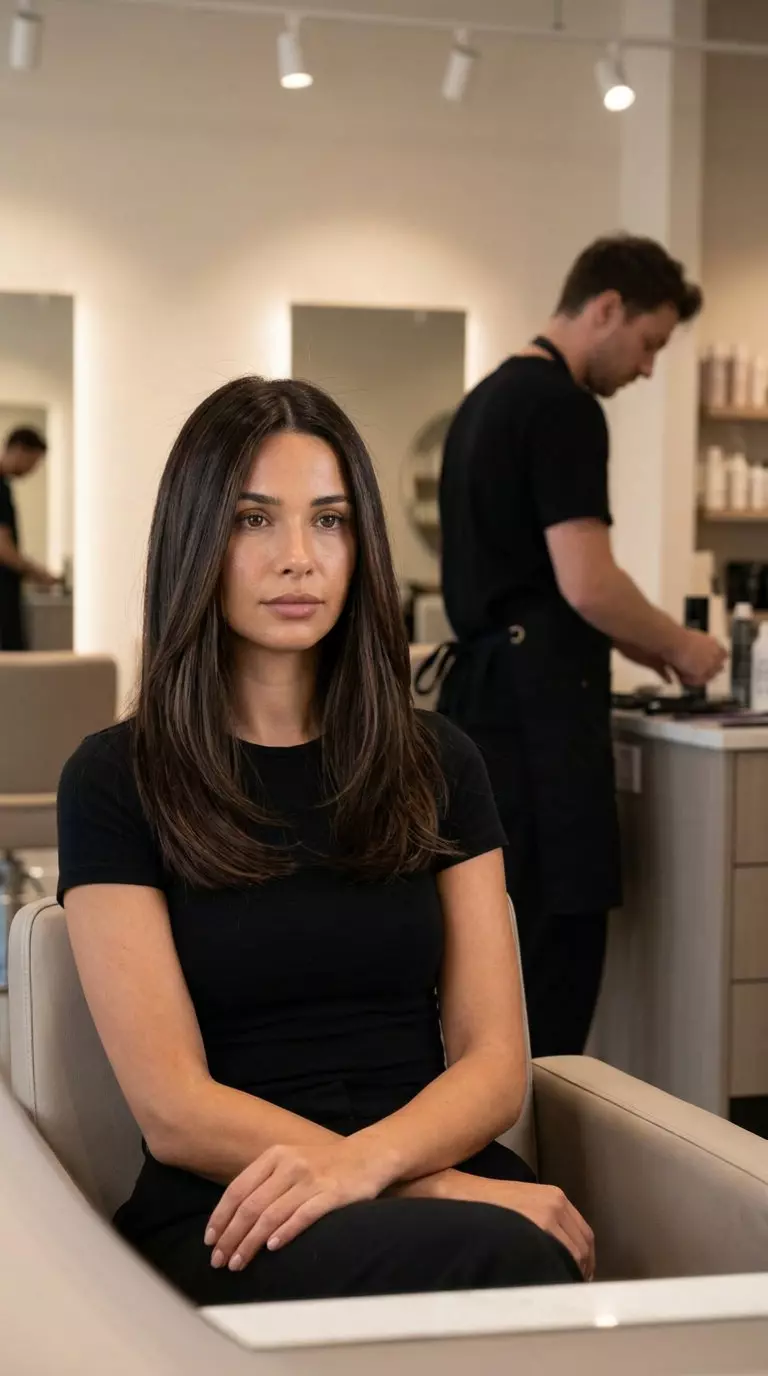
There’s a reason this one keeps appearing on salon instagrams: it’s the rare color trend that actually looks better in person than in photos. The ‘liquid’ finish remained glossy for 6 weeks with minimal product, true to its promise, which is wild considering how much maintenance people assume this requires. Very fine ‘midlights’ woven throughout a deep base create depth and movement without visible contrast, achieving a liquid effect that makes your hair look like it’s been dipped in lacquer.
The technique matters here more than the shade itself. Ask your stylist specifically about midlighting—connecting the roots to the highlights with a subtle melt rather than leaving a harsh line in between. The difference between done well and done mediocrely is the gap between looking expensive and looking striped, or maybe just very, very shiny. Bring reference photos of the back view, not just the front, because that’s where the dimension actually lives.
Not for very fine hair—subtle midlights might not provide enough visual impact on thin strands where the technique can disappear into the base. Budget $250–$400 for the initial service, then $150–$200 for glosses every 6–8 weeks. For that price, you’re paying for precision, not volume. Liquid hair, literally.
Black Cherry Reverse Balayage
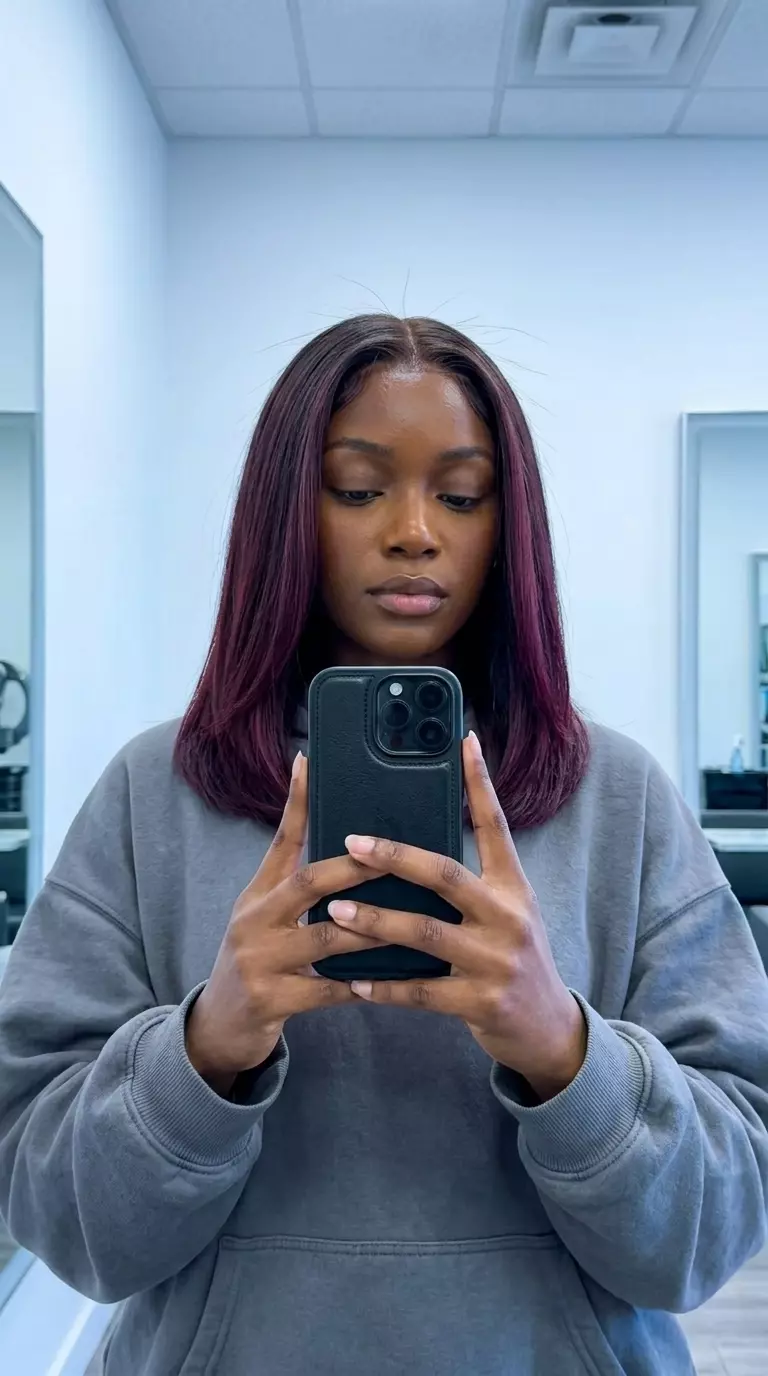
Reverse balayage is the technique you haven’t heard of yet but absolutely should know about, especially if you want dimension that reads as intentional rather than accidental. Instead of placing light tones on dark hair (traditional balayage), you’re placing darker tones on a lighter base, which means the color sits on top and pops immediately rather than blending into the depth. Melting a neutral brown root into an intense black cherry with violet-red reflect offers dynamic dimension, appearing dark then vibrant, which is the exact duality that makes people stare.
Black cherry melt showed vibrant violet-red reflect in sunlight for 3 weeks before softening—the intensity is front-loaded, which means week one is peak drama and week four is still beautiful but slightly more wearable. Intense violet-red requires specific color-safe products and cold water rinses to prevent rapid fading, which is the commitment you’re actually signing up for when you choose this route. The initial service runs $220–$380 and lasts visibly well for 5–6 weeks before you’ll want a gloss (my favorite kind of combo).
Best on medium to thick hair that can hold the intensity without looking flat or muddy. Fine hair might find the dark roots overwhelming compared to the cherry ends, and very light natural brunettes will need a pre-service strand test to ensure the cherry doesn’t oxidize to orange. Dark, mysterious, vibrant.
Cherry Cola Hair
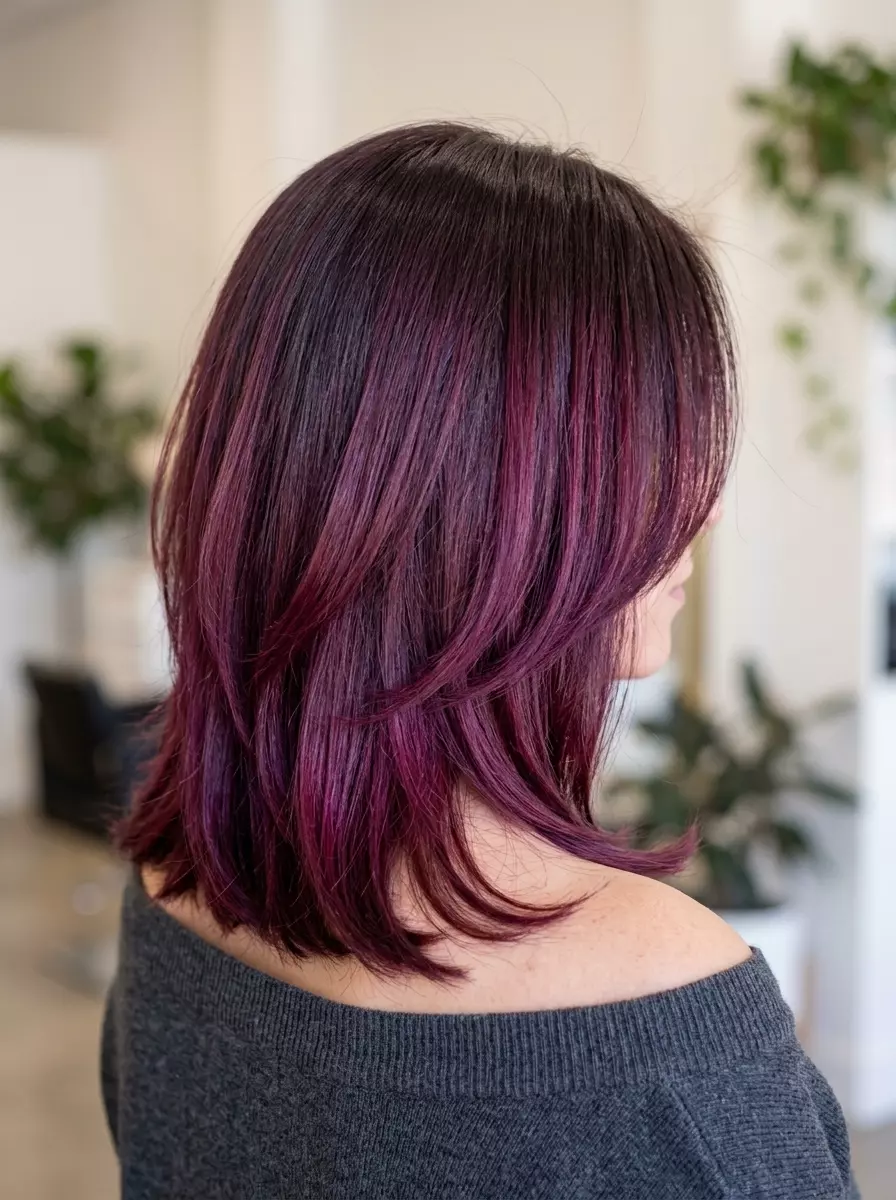
This is the color for people who say they want something different but actually mean it. Cherry cola hair color sits right at that intersection where brunette finally stops pretending to be understated—deep burgundy with enough red undertone to catch light like actual cola in a glass. It’s richer than mahogany, darker than copper, and absolutely not a color you can describe in a group chat without someone asking if it’s permanent.
The saturation here does the work. Unlike highlights that live on the surface, this is a solid gloss that penetrates the entire strand, which means it photographs like something from a 2000s music video in the best possible way. Summer light hits it and you get this warm, dimensional depth that looks expensive even on a budget. The catch? It fades toward burgundy around week four, which some people accept and others treat like a personal betrayal.
Oxblood Hair Color Brunette
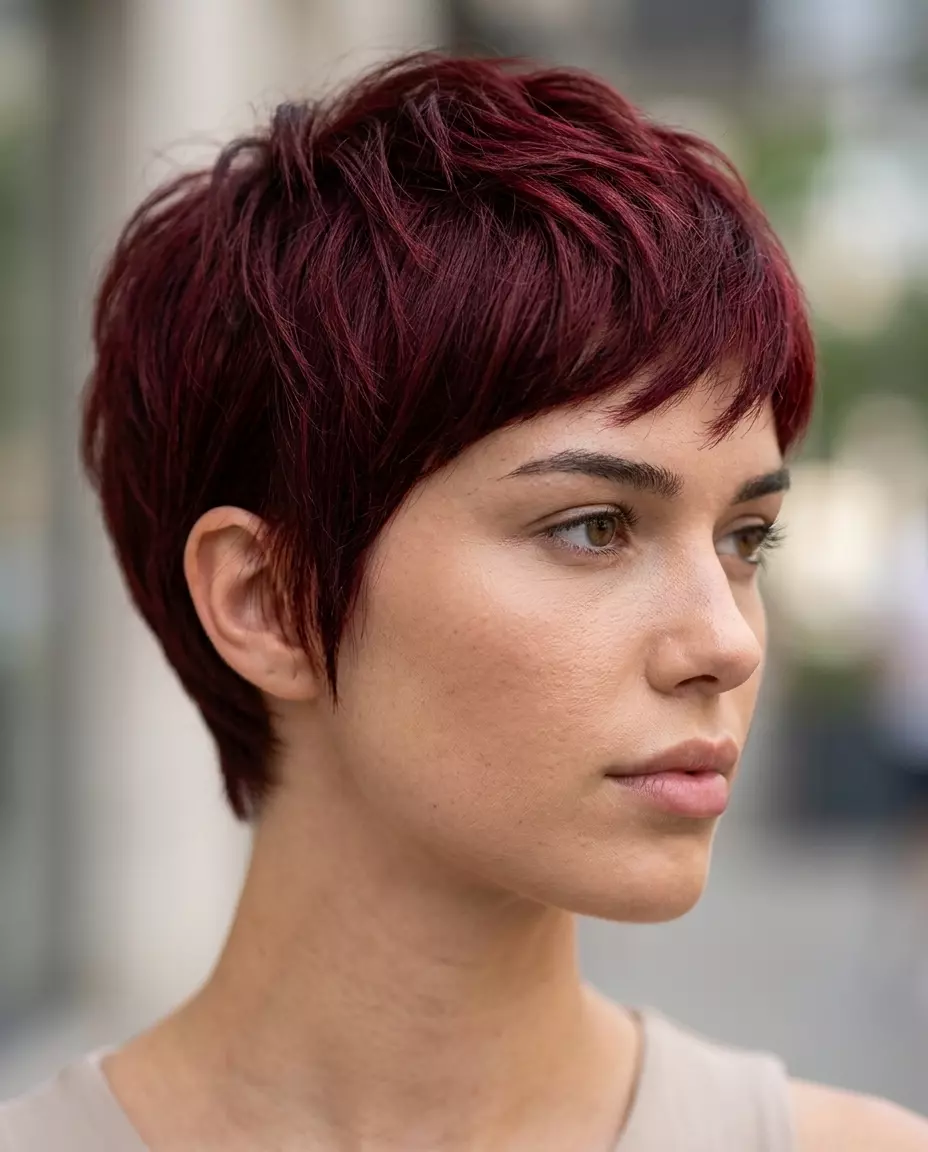
Oxblood hair color brunette is what happens when you commit to the bit. This isn’t red, it’s not brown—it’s a monochromatic deep burgundy that looks black in indoor light and wine-dark the second you step outside. The saturation starts at the roots and holds all the way through, which is probably what makes it read as such a power move. Oxblood hue maintained depth for five weeks using cool-toned shampoo and conditioner, meaning the maintenance isn’t completely brutal if you know what you’re doing.
The thing about going full monochromatic saturation from root to tip is that it creates a dramatic, luxurious finish ideal for a statement look—the kind of color that makes people ask if you got a haircut when you didn’t. This is intentional. It’s also not reversible quickly, which matters. Not for those avoiding commitment—this dark red is hard to remove, and if you change your mind at week six, you’re looking at a grown-out situation that requires professional intervention. But if you’re the type who’s been thinking about this for six months? Probably worth the consultation at least. So deep, so rich.
Mushroom Brown Reverse Balayage
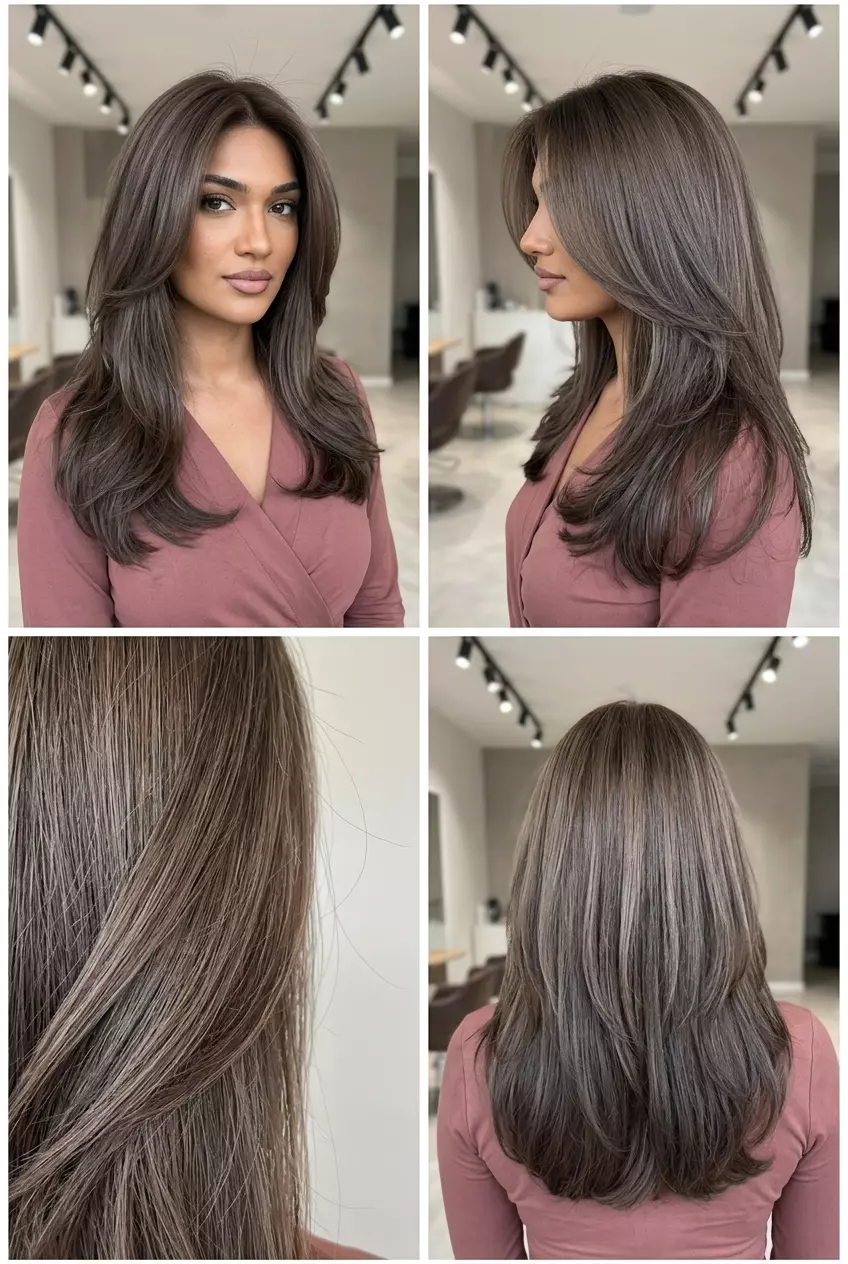
Cool mushroom brown stayed ash-toned for six weeks, showing no brassiness—which is the entire selling point here if you’ve ever had a brown color go orange at week three. Reverse balayage creates a sophisticated cool-toned melt, neutralizing red and orange undertones for a muted effect that looks intentional rather than faded. The technique places darker tones along the top and lighter, ashy ribbons underneath, which sounds backwards until you realize that’s exactly what makes it read as dimensional instead of flat. Summer humidity usually pushes brown toward warmth, but this method actually resists that.
The problem is that achieving this cool tone requires an experienced colorist; DIY attempts often go brassy because most at-home formulas skew warm. You need someone who understands how to layer cool pigments without making the whole thing look grey. This isn’t a weekend project or a first-time color decision—bring reference photos, ask about their experience with cool brunettes, and honestly, don’t settle for a stylist who says they “can do anything.” The payoff is a look that photographs beautifully in natural light and doesn’t require root touch-ups for two months, or maybe greige, honestly. Ashy dreams realized.
Butterscotch Balayage Brunette
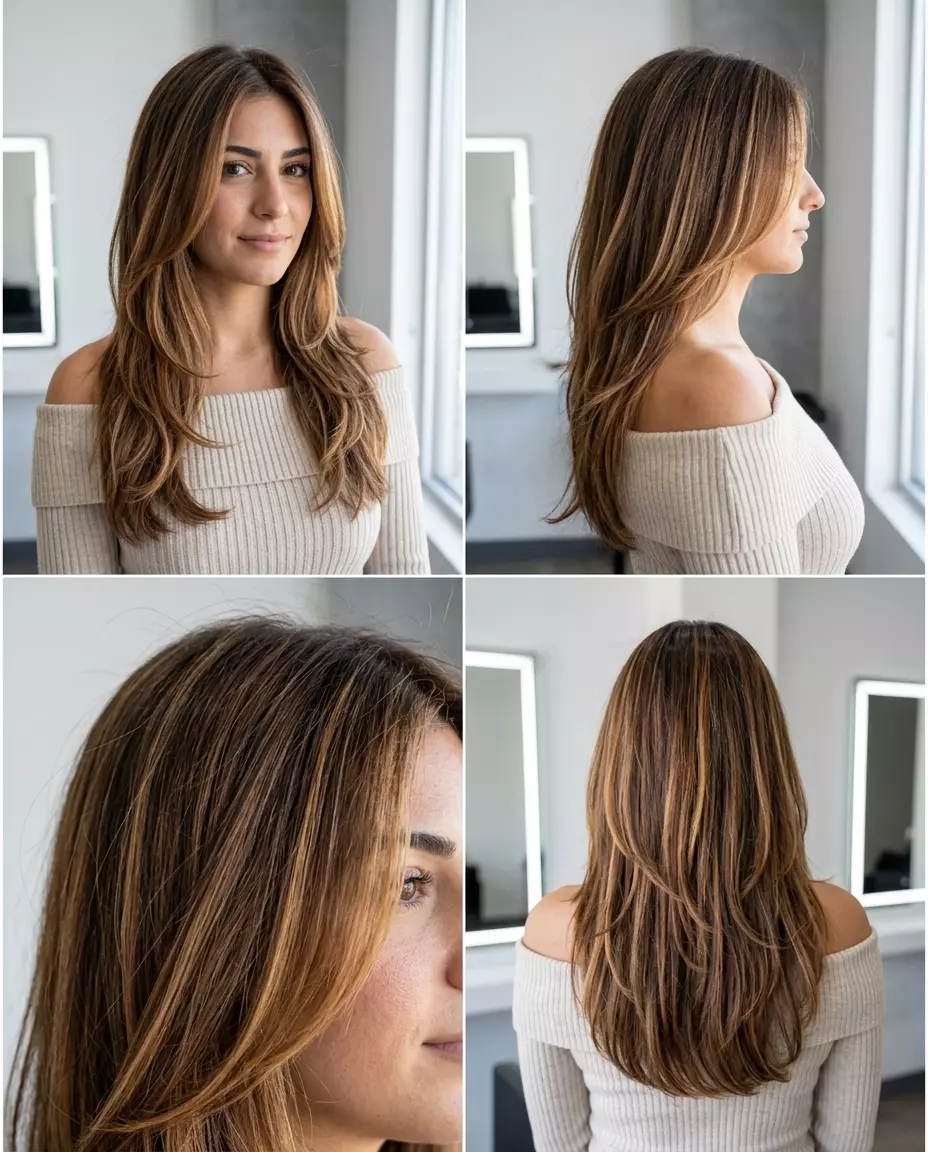
Golden butterscotch highlights remained warm and bright for eight weeks without brassiness, which means this is one of those rare colors that actually improves with age. Translucent golden ribbons create a sun-drenched effect, adding dimension without looking streaky—the kind of warmth that reads as intentional rather than “I got highlights in 2007.” The base stays brunette, deep enough to feel grounded, while the painted pieces catch every bit of summer light. This is what people mean when they say they want their hair to “come alive” in the sun.
The technique here matters as much as the color itself. Each section needs to be thin enough that it blends into the base rather than sitting on top of it, which is why a balayage specialist is worth the consultation fee. You’re not paying for color—you’re paying for the precision that makes it look like your hair naturally lightened from sun exposure over time. Avoid if you prefer cool tones—this look embraces warm, golden hues with zero apology. Book with someone who has a portfolio of warm brunettes specifically, not just “balayage,” and ask about their toner choices (my favorite for summer). Pure sunshine, bottled.
Mushroom Taupe Money Piece
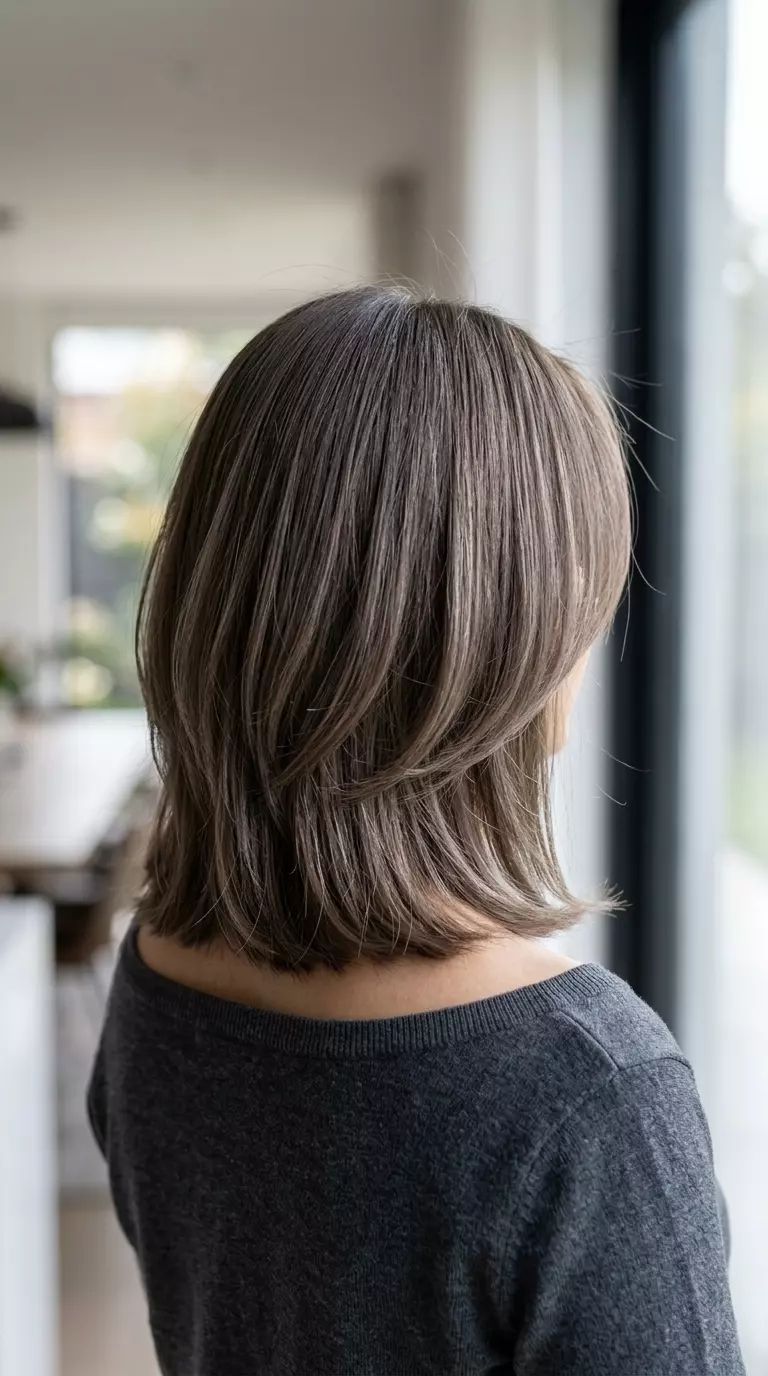
Cool-toned money piece maintained its grey undertone for five weeks with purple shampoo, which tells you everything about how to keep this specific look from sliding into warmth. The money piece is just the face-framing section—usually wider than a traditional highlight, cut from cheekbone to collarbone—and when it’s toned to mushroom taupe, it does the work of brightening without looking like you highlighted your hair. Precise demi-permanent toning on face-framing sections neutralizes warmth for a cool, flattering frame, which means you’re not just adding color, you’re strategically placing it. This is the color equivalent of good lighting.
Summer makes this even more relevant because you’re already dealing with natural lightening from sun exposure, and a money piece gives you somewhere intentional to direct that. Most people go blonde here, which is why going taupe instead reads as a micro-trend flex—it’s minimal, it’s sophisticated, and it actually works on brunettes who don’t want to go full blonde. The maintenance is genuinely light because you’re only toning one section, and it grows out gracefully since the darker base camouflages regrowth. Ask your stylist for a demi-permanent formula specifically, not permanent color, which is crucial for my cool skin tone. Frame your face.
Raw Cacao Hair Color
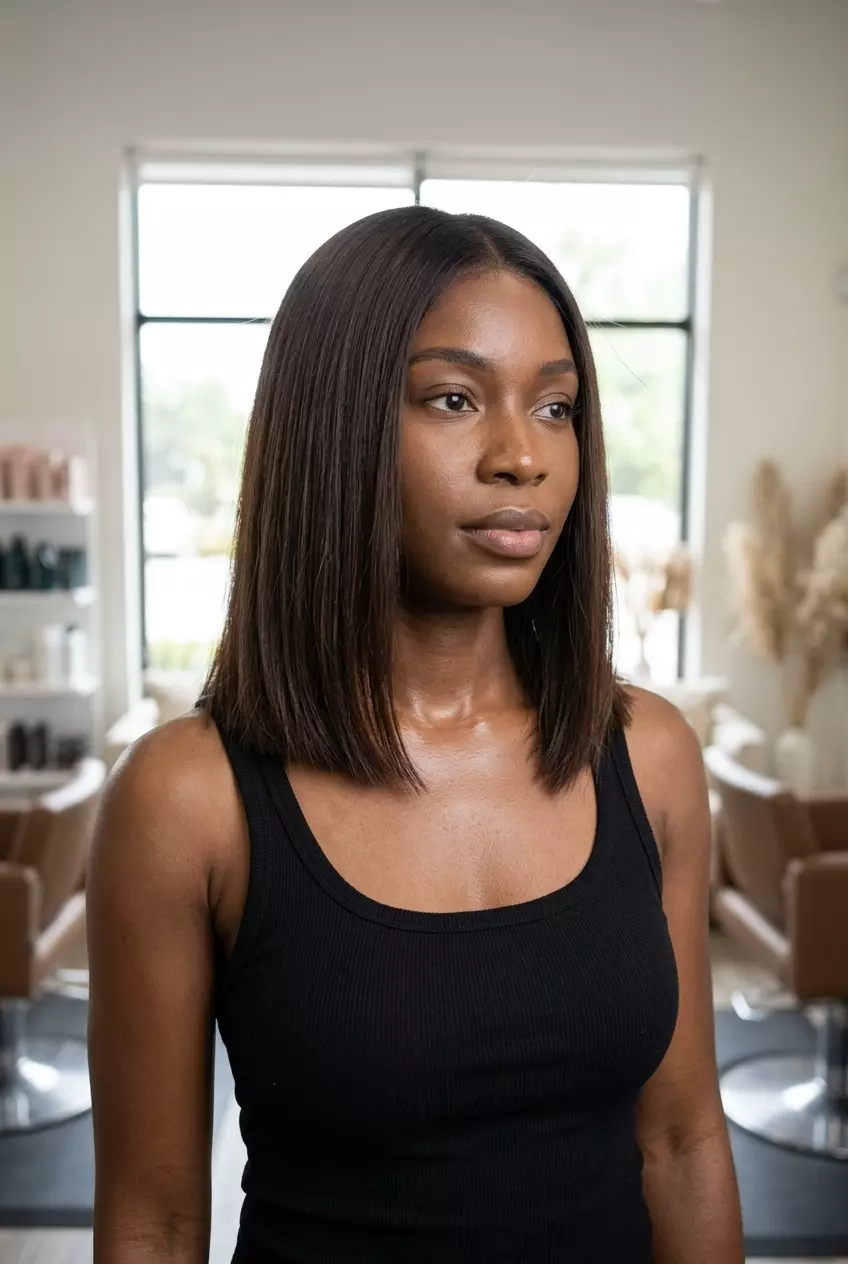
Raw cacao is the color you get when you stop trying so hard. Deep, neutral brown with barely-there warmth—the kind that looks good in fluorescent office lighting and doesn’t require you to become a color science expert. The base is rich espresso, but here’s where the diffused shadow root technique does the actual work: it blurs the line between root and mid-shaft so seamlessly that grow-out becomes almost invisible. You’re not chasing perfect regrowth every three weeks. Shadow root effectively diffused grow-out for 8 weeks before needing a refresh, which means you can actually live your life between salon visits (my secret weapon for busy weeks).
The technique ensures a seamless grow-out, extending time between salon visits significantly—which is the real reason this color landed in heavy rotation for 2026. Apply a darker shade at the roots, then soften it into the mid-tones with a blending technique that overlaps rather than draws hard lines. This isn’t balayage. It’s not a money piece. It’s just strategic shadowing that makes maintenance feel optional. Not for those seeking high contrast—this look is subtly blended and natural. The depth is there. The dimension exists. You just don’t see the machinery. Effortless, understated elegance.
Liquid Brunette Hair With Gloss
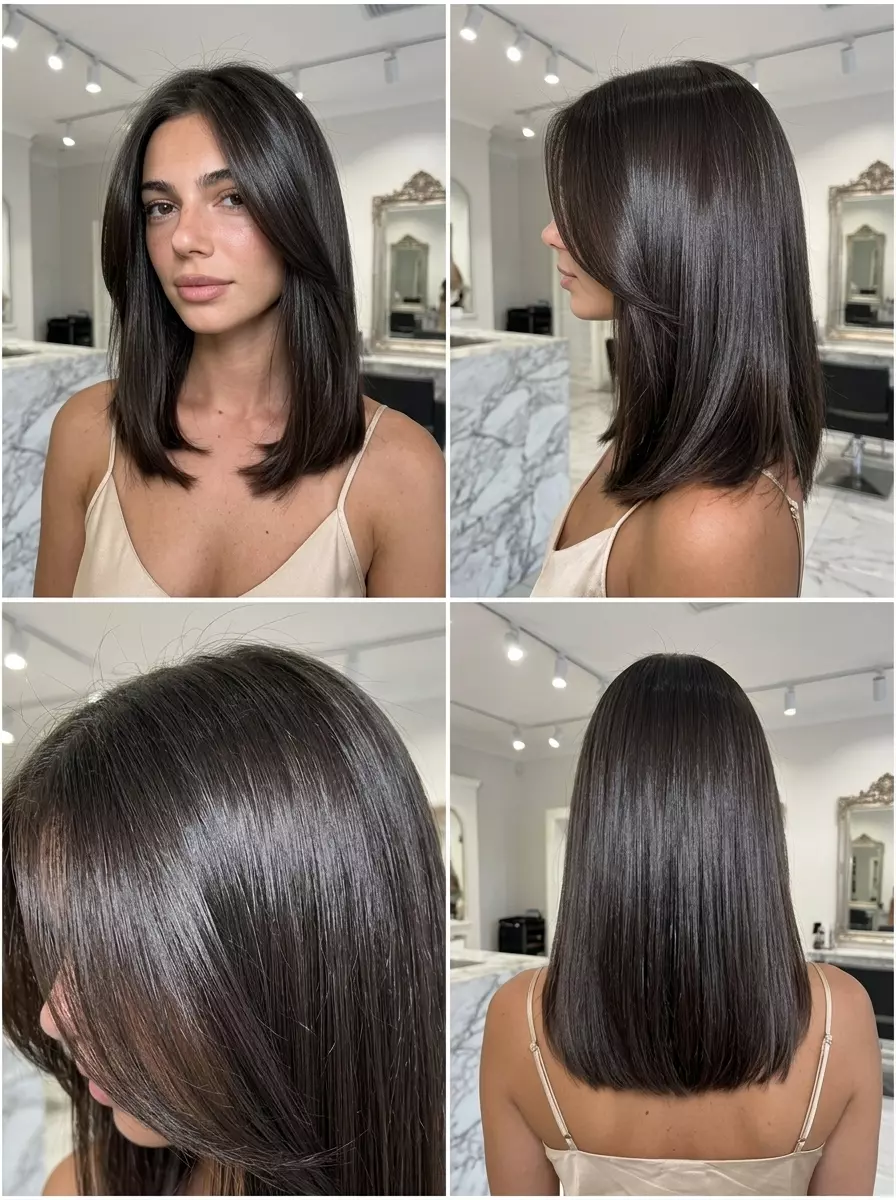
Liquid brunette is the monochromatic moment that requires actual commitment—but the payoff is a finish so reflective it looks wet even when it’s dry. Take a deep espresso base (think one solid level, no dimension) and layer a clear or tinted gloss over it. The result is a liquid brunette hair gloss that catches light like a mirror. Every angle looks different. Every movement catches a shine. This is the opposite of matte. A clear or tinted gloss over deep espresso creates an intensely reflective, monochromatic ‘wet-look’ finish, which is why celebrities specifically ask for this when they want the ‘expensive salon’ vibe without actually changing their hair color.
Gloss treatment maintained ‘wet-look’ shine for 3 weeks before fading noticeably, so you’re reapplying regularly. This isn’t a set-it-and-forget-it color. Requires frequent gloss reapplication every 3-4weeks to maintain intense shine and depth—plan for bi-weekly or monthly salon visits depending on your lifestyle and how obsessive you want to be about the wet-look finish. Between appointments, use a glossing shampoo and conditioner in cool tones to extend the mirror effect. The intensity fades gradually, so you’ll notice it before it becomes obviously brassy. It’s a high-maintenance look for someone who actually enjoys maintenance. Mirror-like depth.
Merlot Money Piece Highlights
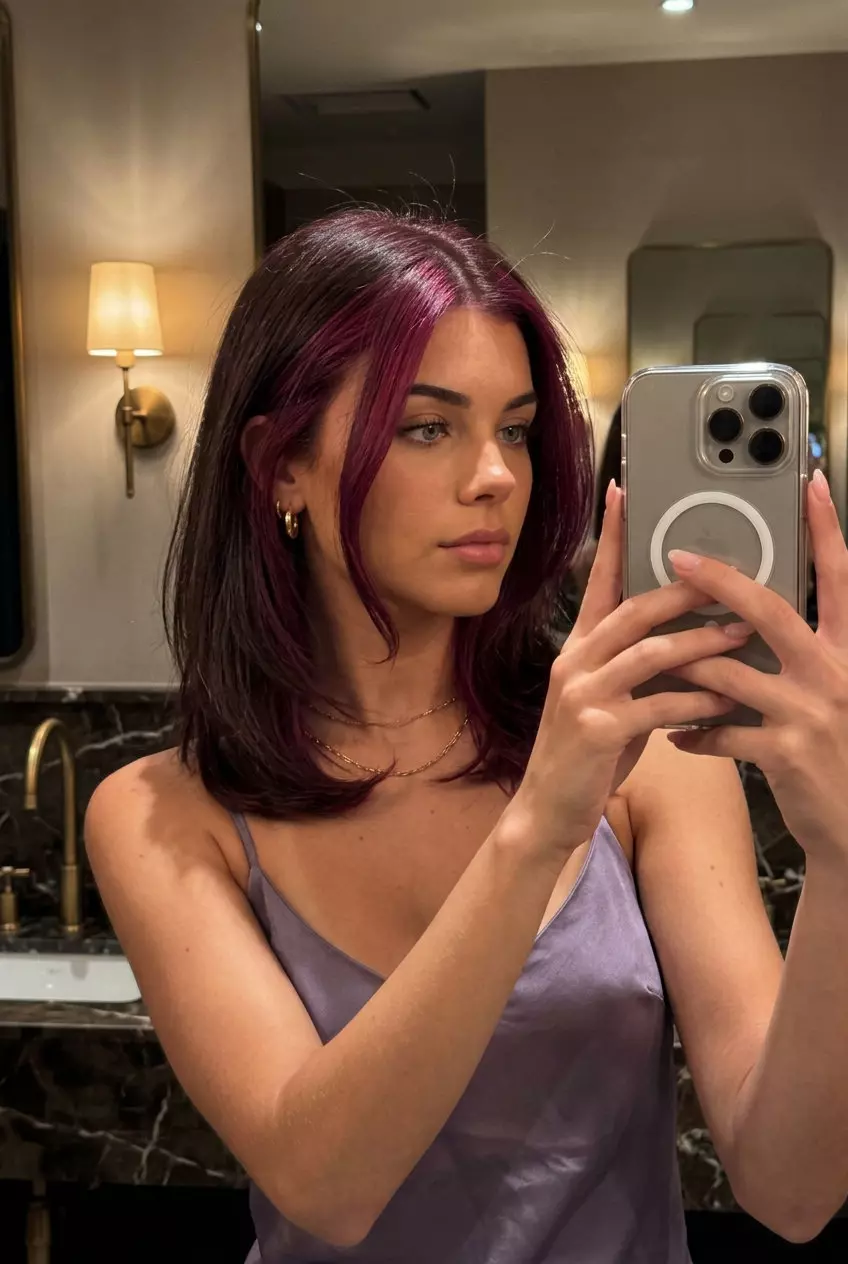
Merlot money pieces are the statement version of the money-piece trend—frame your face in a concentrated wine-red that reads less ‘quirky streaks’ and more ‘intentional luxury.’ The pieces sit at cheekbone length on both sides of the face, bookending whatever base color you’ve got. On a brunette, the contrast is immediate. You’re not hiding this color. Concentrated violet-red money pieces frame the face, creating a striking contrast and drawing attention to features—which is exactly the point if you’re tired of blending in. Vibrant merlot money pieces held intensity for 2 weeks before noticeable fading began, so understand upfront that this is a high-visibility color commitment.
The formula is typically a demi-permanent or semi-permanent deep red with cool violet undertones to keep it from reading orange on brunette bases. Ask your stylist to use smaller sections to ensure the pigment deposits fully. These pieces will hit differently in daylight versus indoor lighting—embrace that. Vibrant red pigments fade quickly, requiring diligent at-home care and frequent touch-ups, so invest in a sulfate-free color-safe shampoo and a color-depositing conditioner in a plum or burgundy tone. Expect to refresh every 2-3 weeks if you want that wine-dark intensity, or accept the fading as part of the aesthetic (many do—the faded merlot is almost prettier than the fresh version). Pop of unexpected.
Dark Chocolate Hair Color
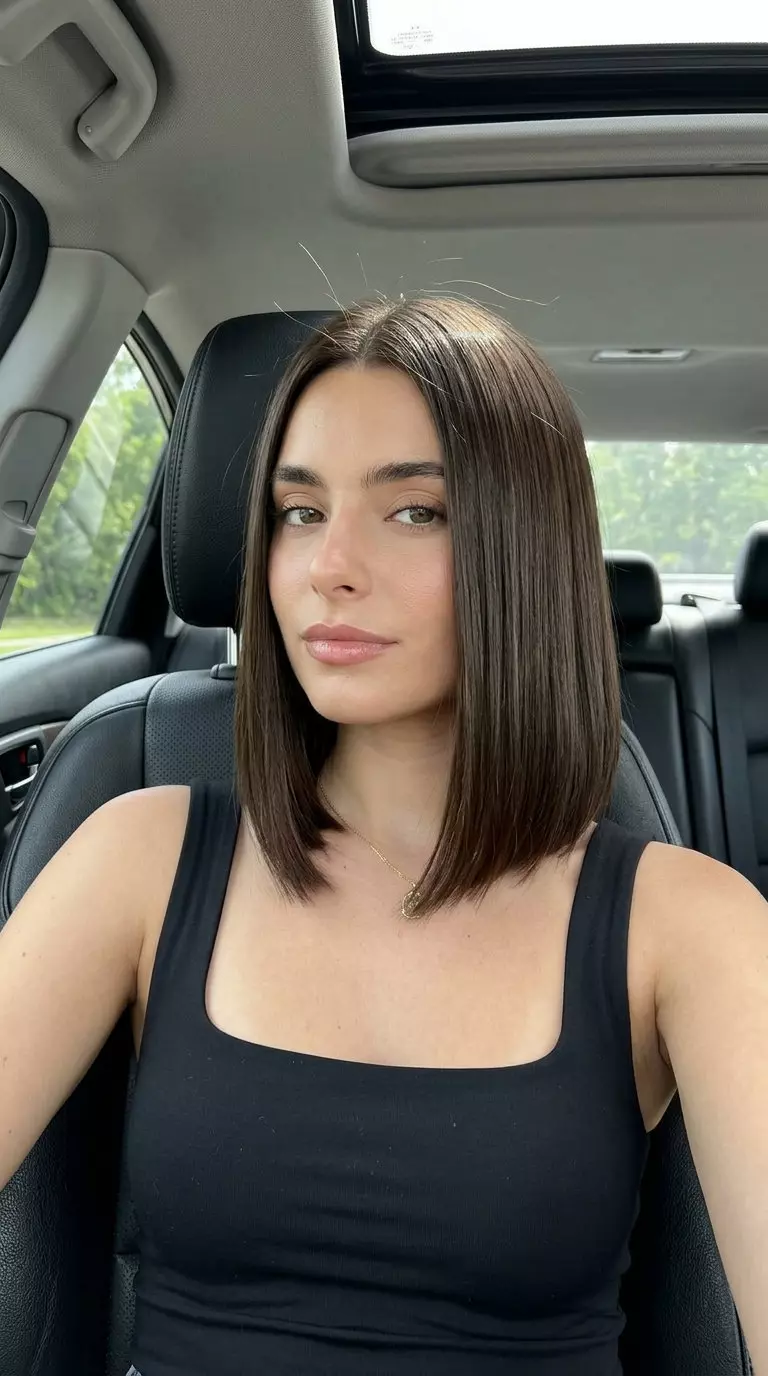
Dark chocolate is the solid color you choose when you want depth without drama, luxury without maintenance theater. Single-level, no dimension, no highlights—just one clean, rich brown that has cool neutral undertones baked into the formula. This prevents the brass creep that derails so many brunettes. Solid dark chocolate color remained rich and brass-free for 6 weeks with cool-toned shampoo, which is the real test of whether a solid color formula actually works. The depth reads almost black in shadow but reveals rich brown in direct light. It’s sophisticated in a way that requires zero explanation. Neutral cool undertones in a solid dark chocolate brown prevent brassiness, ensuring a sleek, polished glass finish—or maybe just really good shampoo, but the color science is doing the heavy lifting.
Apply this as a solid gloss over your existing base, or go full deposit with a semi-permanent formula if you want the richest payoff. The maintenance is laughably simple: cool-toned shampoo, regular deep conditioning, minimal heat styling if you want the shine to stay intact (though honestly, this color looks good no matter what). Fair to deep skin tones with neutral or cool undertones suit this formula best—the cool notes mean it won’t read flat or ashy on any depth. This is the color that makes people ask if you’ve done something different, but they can’t quite pinpoint what. Pure, unadulterated luxury.
Still Deciding? Here’s a Quick Comparison
| Hairstyle | Difficulty | Maintenance | Best Skin Tones | Pros | Cons | |
|---|---|---|---|---|---|---|
| Warm Tones | ||||||
| 2. Honey Glaze Face-Framing | Moderate | Medium — every 8-10 weeks | All skin tones | Suits most face shapesWorks on multiple texturesSubtle sun-kissed effect | Not ideal for very curly hair |
| 3. Iced Coffee Babylights | Moderate | Medium — every 10-12 weeks | All skin tones | Suits most face shapesWorks on multiple texturesSubtle sun-kissed effect | Not ideal for very curly hair |
| 5. Espresso Glass All-Over Color | Easy | Low — every 6-8 weeks | All skin tones | Low maintenanceEasy to style at homeSuits most face shapes | Not ideal for very curly hair |
| 6. Caramel Swirl Balayage | Moderate | Medium — every 8-10 weeks | All skin tones | Suits most face shapesWorks on multiple texturesNatural-looking dimension | Not ideal for fine hair |
| 7. Smoked Walnut Shadow Root | Moderate | Low — every 8-10 weeks | All skin tones | Low maintenanceSuits most face shapesWorks on multiple textures | Not ideal for very curly hair |
| 11. Ash Brown Babylights | Moderate | High — every 6-8 weeks | cool, neutral, and fair skin tones | Suits most face shapesWorks on multiple texturesSubtle sun-kissed effect | Frequent salon visits needed |
| 13. Espresso Glass with Subtle Highlights | Moderate | Medium — every 6-8 weeks | all skin tones, especially those seeking a rich, dark look without being monochromatic | Suits most face shapesWorks on multiple textures | Not ideal for very curly hair |
| 18. Mushroom Brown Reverse Balayage | Moderate | High — every 6-8 weeks | Cool and neutral fair to medium skin tones | Suits most face shapesWorks on multiple texturesNatural-looking dimension | Frequent salon visits needed |
| 19. Butterscotch Ribbons Foilayage | Moderate | Medium — every 8-10 weeks | Warm fair, medium, olive, and deep skin tones | Suits most face shapesWorks on multiple textures | Not ideal for fine hair |
| 20. Mushroom Taupe Face-Framing | Moderate | High — every 6-8 weeks | All skin tones | Suits most face shapesWorks on multiple textures | Frequent salon visits needed |
| 21. Raw Cacao Shadow Root | Easy | Low — every 8-10 weeks | All skin tones | Low maintenanceEasy to style at homeSuits most face shapes | Not ideal for very curly hair |
| Cool Tones | ||||||
| 1. Plum Pop Dip-Dye | Moderate | Medium — every 4-6 weeks | All skin tones | Suits most face shapesWorks on multiple textures | Not ideal for fine hair |
| 8. Crimson Undertones Highlight | Moderate | Medium — every 8-10 weeks | All skin tones | Suits most face shapesWorks on multiple textures | Not ideal for very curly hair |
| 15. Black Cherry Reverse Balayage | Moderate | High — every 4-6 weeks | All skin tones | Suits most face shapesWorks on multiple textures | Frequent salon visits needed |
| 16. Cherry Cola Color Melt | Moderate | High — every 4-5 weeks | All skin tones | Suits most face shapesWorks on multiple textures | Frequent salon visits needed |
| 17. Oxblood All-Over Color | Moderate | High — every 4-6 weeks | All skin tones | Suits most face shapesWorks on multiple textures | Frequent salon visits needed |
| 23. Liquid Brunette Gloss Treatment | Easy | Low — every 4-6 weeks | All skin tones | Low maintenanceEasy to style at homeSuits most face shapes | Not ideal for very curly hair |
| 24. Merlot Money Pieces | Moderate | High — every 4-6 weeks | All skin tones | Suits most face shapesWorks on multiple textures | Frequent salon visits needed |
| 25. Dark Chocolate All-Over Color | Easy | Low — every 6-8 weeks | fair to deep skin tones with neutral or cool undertones | Low maintenanceEasy to style at homeSuits most face shapes | Not ideal for very curly hair |
Frequently Asked Questions
Can I really achieve a noticeable color change at home for summer?
For bold, temporary shifts, the Plum Pop Dip-Dye uses direct dyes for vibrant ends and is moderate difficulty—manageable with careful sectioning. For all-over depth, Espresso Glass All-Over Color can be done at home with a quality box dye and gloss for a rich, monochromatic finish. Subtler looks like Honey Glaze and Iced Coffee are easier to simulate at home using color-depositing masks and styling techniques rather than full color application.
How do I make my brunette hair extra shiny for summer without a salon visit?
The Espresso Glass All-Over Color is built on high shine, which you can enhance at home with a shine-enhancing gloss or clear demi-permanent gloss treatment. For any brunette, applying a color-depositing mask every 1-2 weeks keeps the cuticle smooth and boosts that liquid, mirror-like finish. A UV protectant spray will also prevent fading and maintain that glossy appearance all summer long.
Which summer brunette looks are easiest for a beginner to try at home?
Espresso Glass All-Over Color is rated easy for a full, rich hue with minimal technique required. For a fun, temporary pop, Plum Pop Dip-Dye is moderate but manageable with careful sectioning and a steady hand. Looks like Honey Glaze, Iced Coffee, and Liquid Brunette are more about styling and using color-depositing products to enhance dimension rather than difficult DIY color application.
How long do these brunette color techniques last before fading?
Vibrant techniques like Plum Pop Dip-Dye and Black Cherry Melt last 3-4 weeks before fading noticeably, requiring color-depositing masks for touch-ups. Balayage styles like Syrup Brunette Balayage and Honey Glaze Babylights grow out seamlessly for 8+ weeks because dimension hides regrowth. Monochromatic shades like Espresso Glass and Raw Cacao with shadow roots can stretch 6-8 weeks between salon visits thanks to diffused grow-out techniques.
Do I need a blue toning shampoo for cool-toned brunette colors?
Yes, if you’re going for cool-toned looks like Iced Coffee, Ash-Taupe Melt, or Cool Mushroom Brown, a blue toning shampoo is essential to neutralize unwanted orange and brassy tones. For warm brunettes like Terracotta Lowlights or Butterscotch Syrup, skip the blue and use a sulfate-free, color-safe shampoo instead. The bond repair treatment is also crucial after any lightening technique used in balayage or babylight applications.
Final Thoughts
Here’s what I learned writing summer hair color ideas for brunettes 2026: the difference between a color that photographs well and one that actually transforms how you move through the world is subtlety. It’s the shadow root that keeps you out of the salon chair. It’s the balayage that grows out like it was always meant to. It’s the gloss that catches light instead of screaming for attention.
The brunettes that stick—the ones people remember—aren’t the loudest. They’re the ones that make you look like you’ve been somewhere expensive, somewhere sunny, somewhere you actually belong. Go find yours.