
The viral ‘Butter Bronde’ moment on TikTok isn’t slowing down, and neither are the salon requests. Sofia Richie Grainge’s been quietly proving that low-maintenance luxury actually works, while Dakota Johnson’s pecan pie situation and Zendaya’s smoked caramel press tour have collectively convinced everyone that bronde isn’t just a trend—it’s the only sensible move for summer. A 40% surge in natural-look color requests says the market agrees: we’re done with harsh highlights.
Summer bronde haircolor 2026 spans from creamy oat milk tones to deep smoked caramels, paired with cuts like the butterfly and soft shag that actually let the color breathe. Whether you’re fair-skinned chasing that antique gold or olive-toned and eyeing iced chai, there’s a bronde that doesn’t require you to pretend you just got back from Positano.
I spent three years chasing platinum and watched my hair turn into straw. One root smudge and a shift to warm bronde later, I stopped needing a scarf collection just to leave the house.
Butterfly Cut Bronde
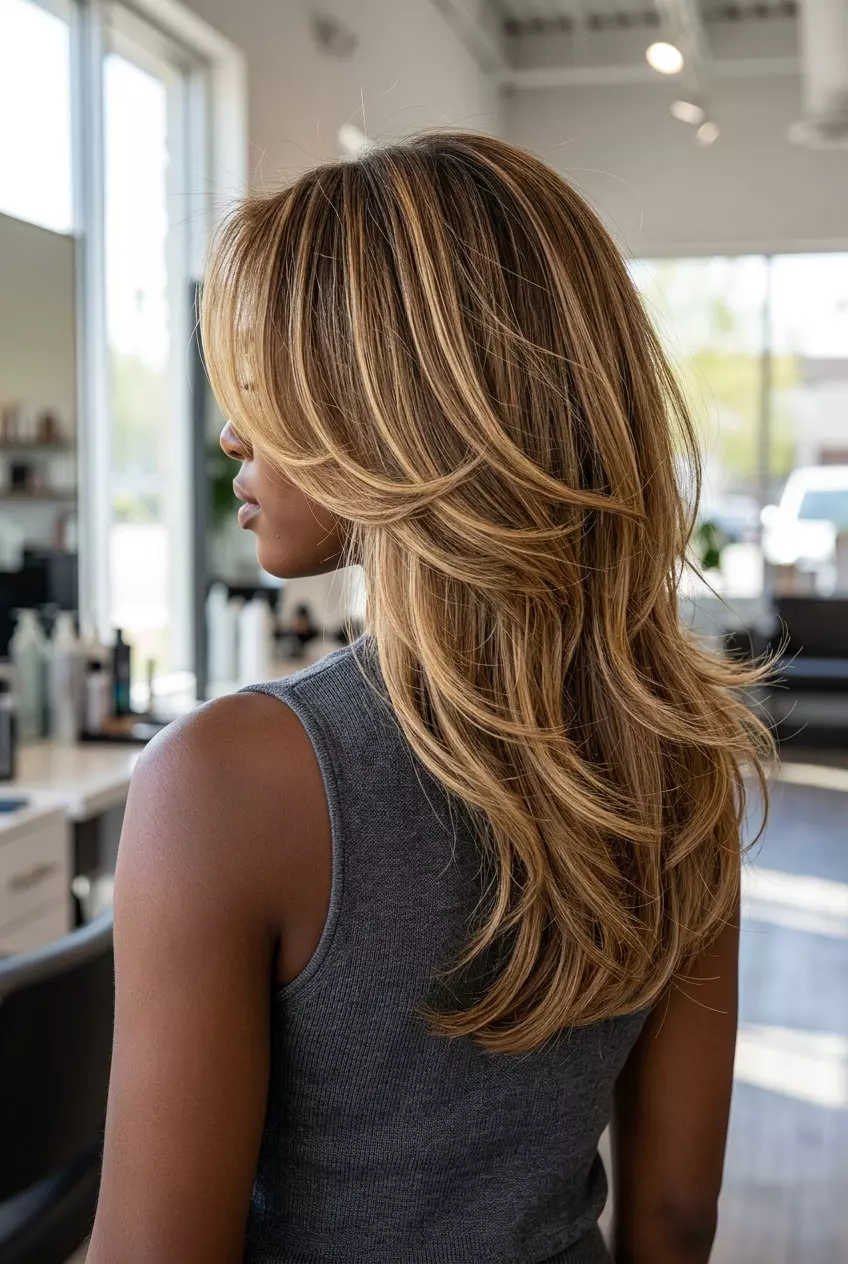
The butterfly cut bronde sits right at that intersection where face-framing actually makes sense instead of just being decorative filler. Shorter, wispy layers around the face create dimension without sacrificing length, which matters if you’ve spent the last three years growing this out. The bronde itself—that blend of blonde and brown that doesn’t commit fully to either—works on wavy, thick to medium density hair because it allows natural movement and volume without looking thin or wispy at the ends.
What makes this cut work is how the shorter pieces interact with the longer base. You get volume at the crown where you actually need it, texture through the mid-lengths where most people struggle, and a clean perimeter that doesn’t look choppy after four weeks of growth. The color placement—lighter at the face, darker toward the roots—adds visual interest without requiring full coverage maintenance. This isn’t a high-commitment cut, which feels important to say out loud.
Textured Crop Haircut
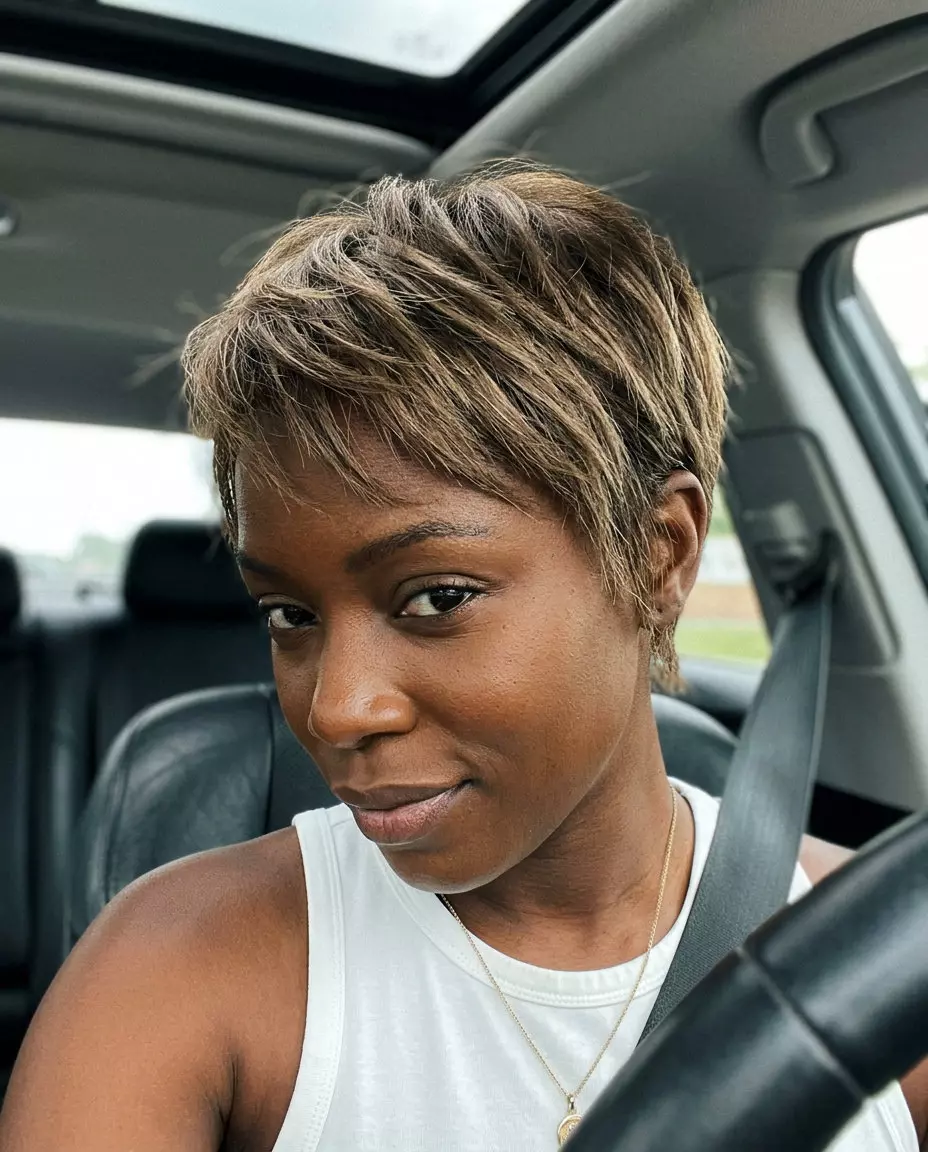
Short hair doesn’t have to mean severe, and the textured crop haircut proves it with point-cutting throughout that creates soft, piecey texture, allowing versatile styling and natural movement. This is the cut where styling took under 5 minutes daily using just a texturizing paste for that deliberately undone look, which sounds like marketing copy until you actually do it and realize it works. The tapered sides need trims every 4 weeks to maintain sharp lines, though (yes, the short one)—so this isn’t a set-it-and-forget-it situation despite what Instagram suggests.
What you’re getting here is precision with personality. The point-cutting removes weight without creating that thin, stringy texture that makes people avoid short hair in the first place. Run your fingers through when it’s damp, add paste, and the cut does the work rather than fighting your natural movement patterns. Tapered sides create a clean frame without feeling corporate or severe. Honestly, the short one matters more than people think, and it’s probably worth the consultation first to discuss whether your hair texture actually wants this level of texture or if you’re just excited about the photo.
Effortless cool, truly.
French Pixie Cut Bronde
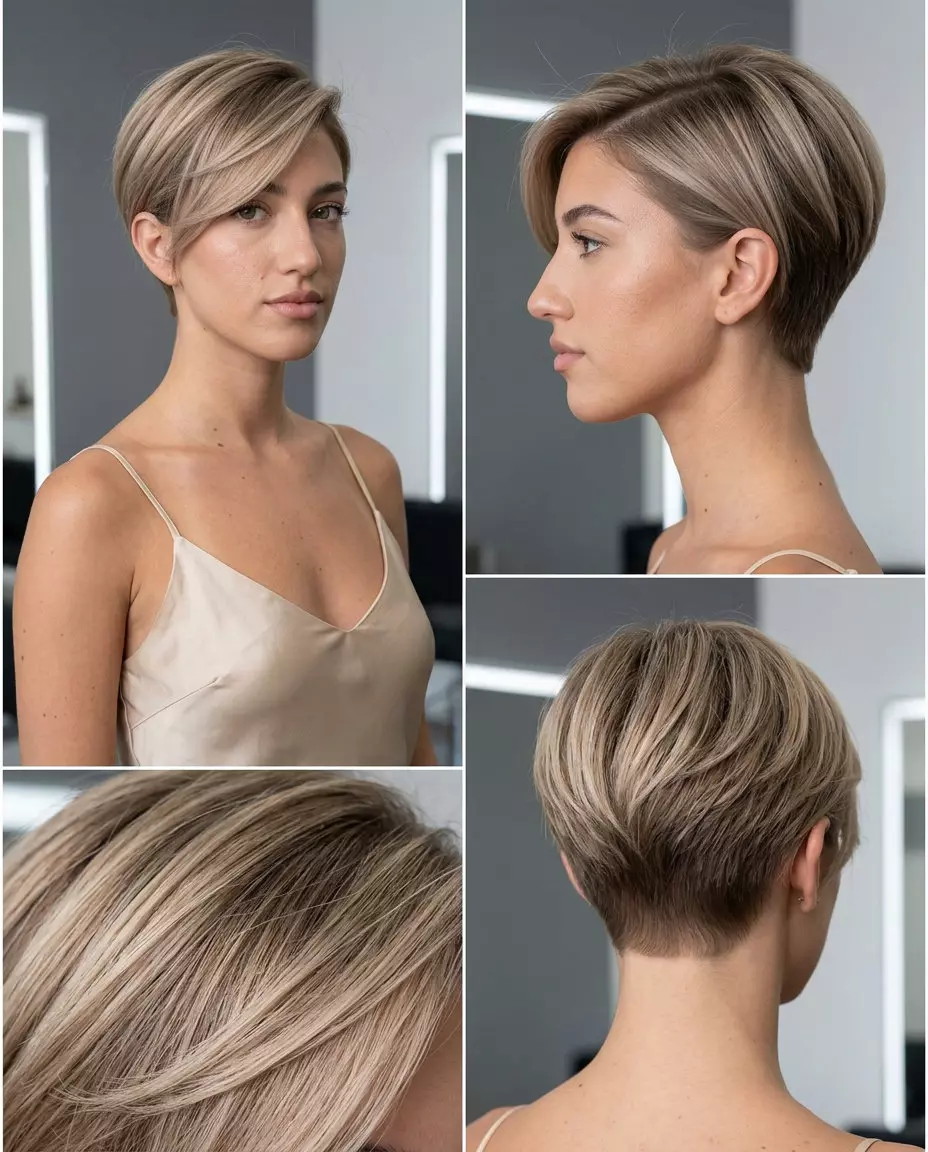
The french pixie cut bronde isn’t a pixie in the way people usually mean it—there’s enough length on top to style, which matters if you’ve never had a true pixie and you’re not ready to commit to 15 minutes with a blow dryer every morning. Scissor-over-comb technique creates precise tapering and a clean undercut, ensuring a sharp, tailored look that reads expensive even when the initial cost is reasonable. The undercut nape stayed clean for 6 weeks before requiring a trim, which delayed the next appointment significantly compared to less structured pixie cuts.
Bronde works here because the color variation creates softness around a sharp cut. Lighter pieces at the front face don’t read as severe, and the darker roots toward the nape add visual density to the tapered sides. Precision cut requires salon-only maintenance every 4-6 weeks—not DIY friendly—so factor that into the decision before booking. The cost story matters here: you’re looking at a cut that requires professional follow-ups, but those appointments are typically cheaper than full color services, making it a lower-commitment alternative to balayage maintenance.
The nape makes this.
Long Bronde Layers Haircut
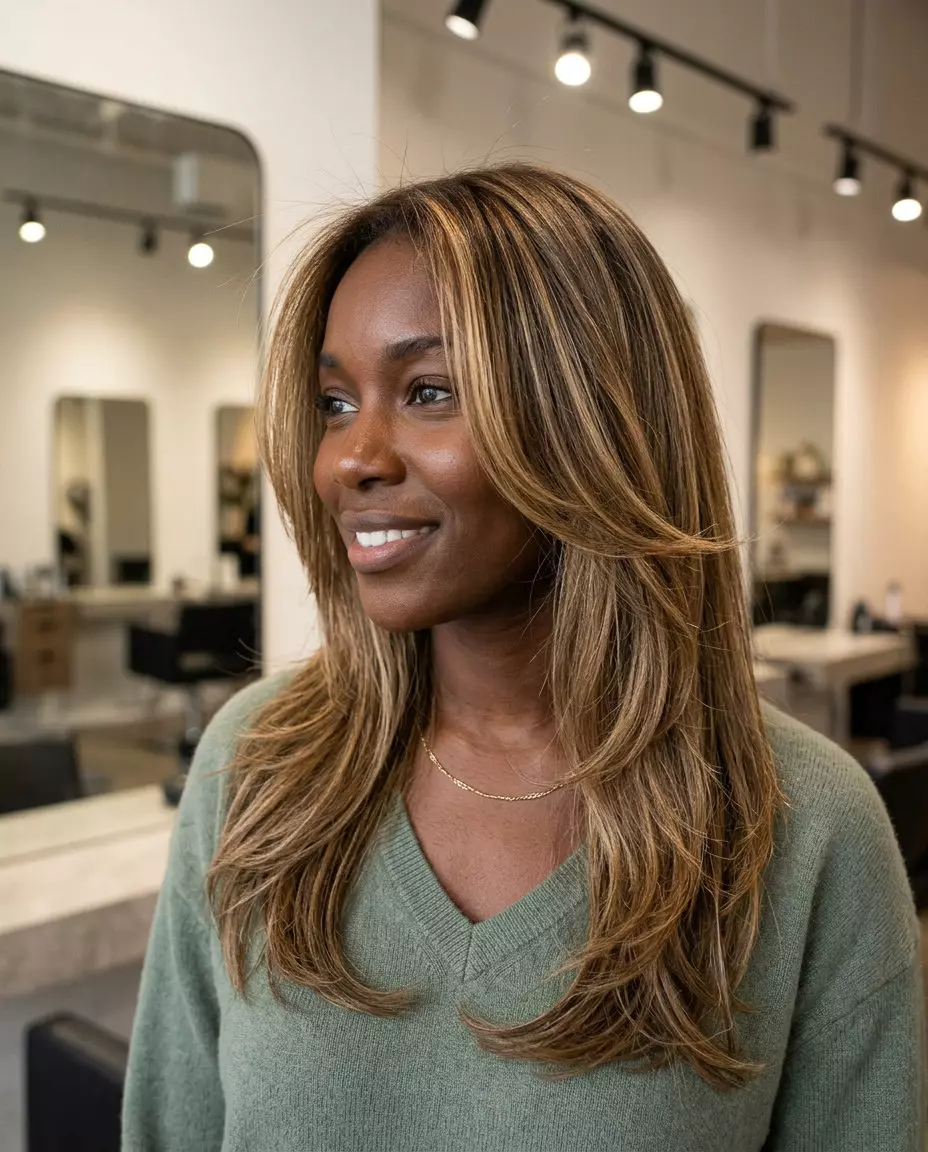
The long bronde layers haircut works best on medium to thick hair that’s naturally wavy or easily styled with a curling iron—basically, hair that doesn’t require zero styling to look intentional. U-shape back maintains density while layers create movement, preventing a flat, heavy appearance on long hair, which is why stylists cut this way instead of just layering from crown to ends. The collarbone layers added visible volume and bounce that lasted 2 days with light styling, which suggests this cut actually plays well with realistic hair routines rather than demanding perfection.
Bronde extends the visual length of layered cuts because the color variation makes each layer read separately instead of blending into one mass. Shorter pieces at the collarbone catch lighter tones, longer pieces underneath show darker roots, and the whole effect looks dimensional rather than just thinned out. The layers sit at natural breakpoints—collarbone, mid-back—so they don’t create that weird stage between growing out and cutting again. Not ideal for very fine hair—layers might make ends look too thin—but for medium to thick textures this creates the volume that straight length never delivers.
Movement for days, which is all my long hair needs.
Italian Bob Bronde
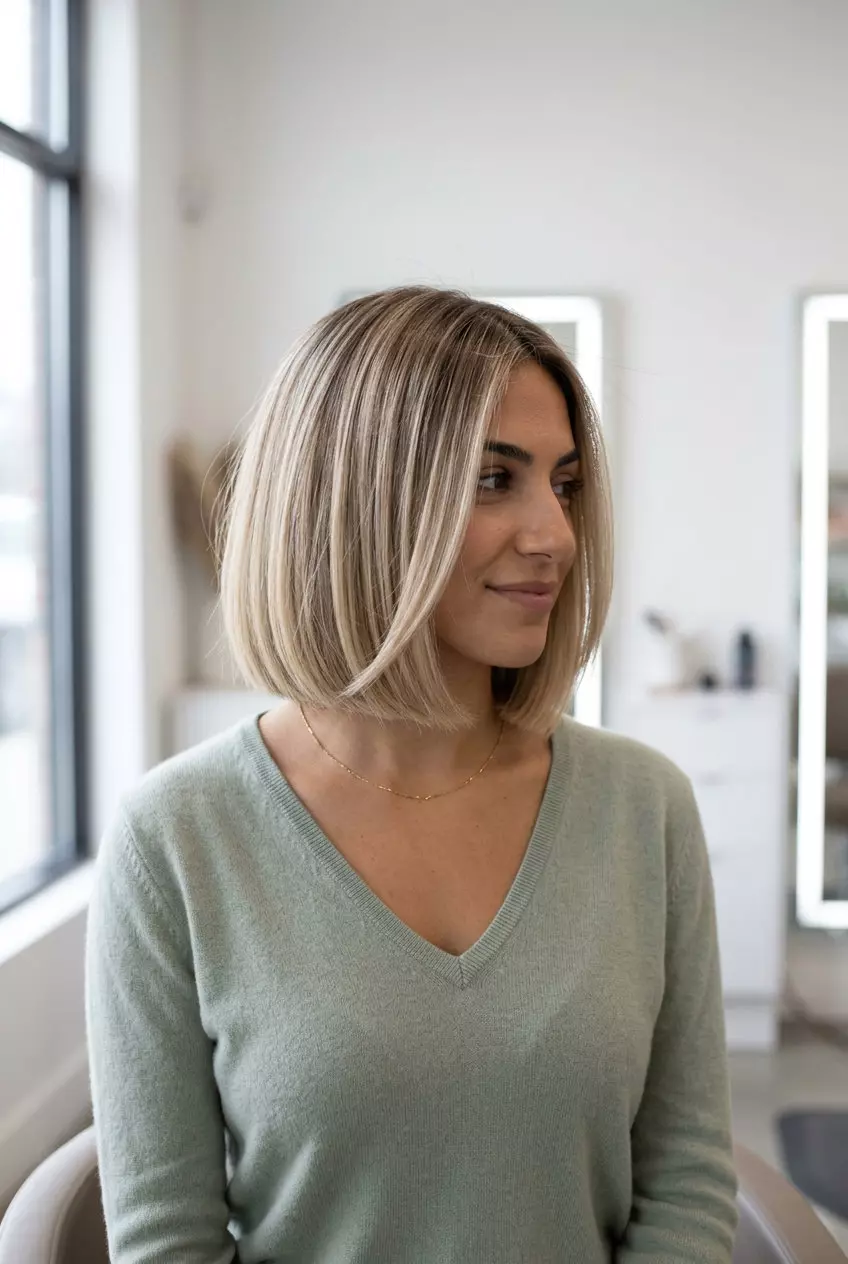
The Italian bob sits between a blunt bob and a textured lob, and honestly, it’s the smartest play if you want movement without committing to layers everywhere. The internal point-cut layers created movement that lasted three days before needing restyling—which means you’re not fighting your hair daily to keep it intact. What makes this work: internal point-cutting removes weight, creating natural movement and a ‘tossed’ texture without sacrificing the sleek blunt perimeter that gives the cut its clean, polished edge.
Fine to medium density hair actually thrives here. The internal layering prevents bulk, so you’re not walking around with a helmet of hair. Blunt perimeter requires precise trims every 4–5 weeks to maintain its sharp line, so factor that into your salon calendar before booking. Best on straight to wavy hair—curly textures need a different approach altogether. This is the definition of chic.
Bronde Shag Haircut for Wavy Hair
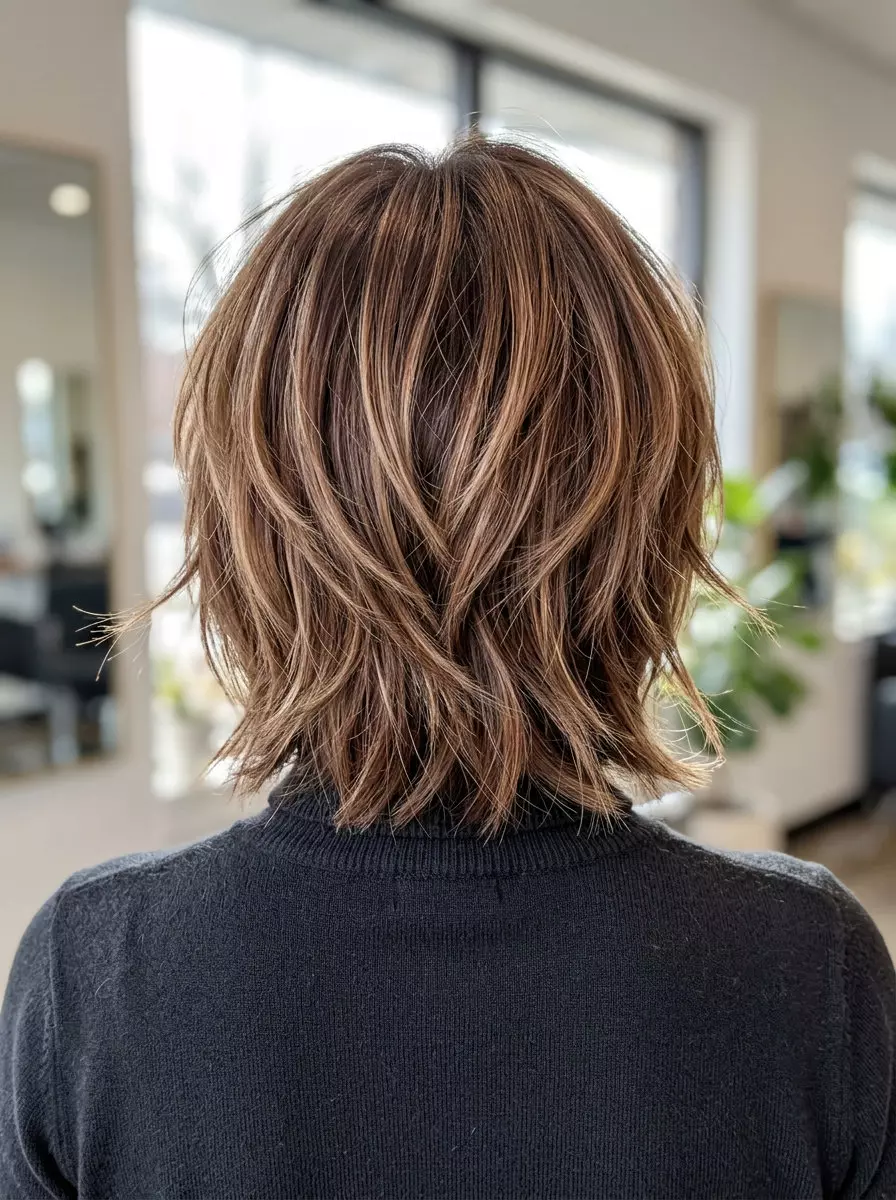
Shags are back, and they’re specifically designed for texture—the kind that looks best when it’s already doing something instead of lying flat. Curtain bangs hit just below cheekbones, framing my face perfectly for eight weeks before they needed reshaping. The deep point-cutting and slicing create choppy, textured ends that enhance natural waves and curls, reducing bulk where it counts. This is the cut for people who have wavy hair and actually want to see it move.
Skip if you have very straight hair—the layers won’t hold natural texture, which is all my wavy hair can handle anyway. You’re looking at a cut that needs trims every 6–8 weeks to keep the choppy layers defined. The bronde color works overtime here too, with face-framing highlights at the front creating depth throughout the movement. Effortless cool, truly.
Modern Edge Lob
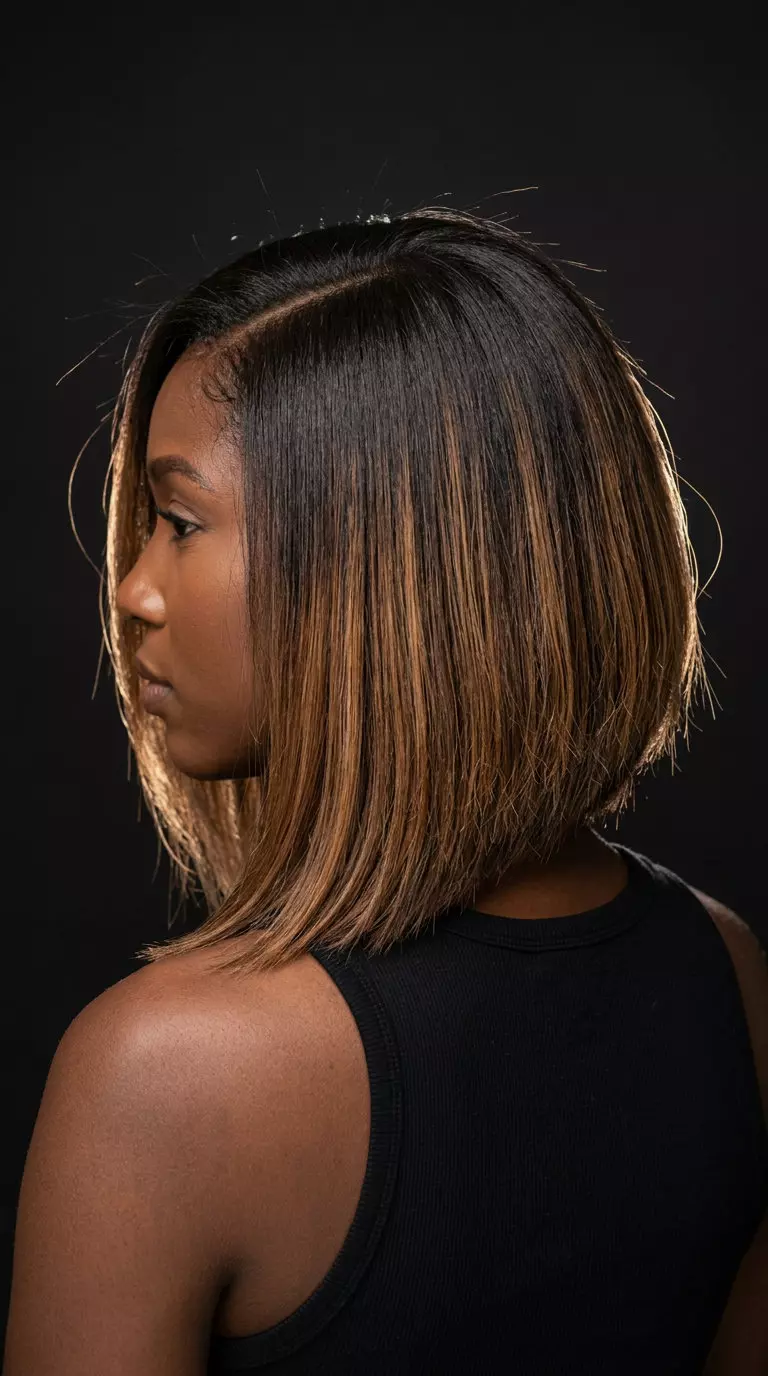
An asymmetrical lob cuts longer on one side and shorter on the other, creating imbalance that somehow feels intentional instead of like a mistake. The asymmetrical line stayed sharp for six weeks, needing only minor styling adjustments—proof that the cut structure itself carries the style. Blunt perimeter with point-cut ends creates a sharp yet soft asymmetrical line, adding modern edge without harshness. One side might hit chin length while the other extends to collarbone, forcing movement and dimension into every angle.
This precision cut requires a highly skilled stylist, impacting salon cost significantly, so probably worth the consultation at least. The bronde looks especially dynamic on asymmetrical cuts because color naturally follows the line changes. Maintenance is moderate—you’ll trim every 6–7 weeks to keep the asymmetry crisp. Bold and beautiful.
Sun-Kissed Lob
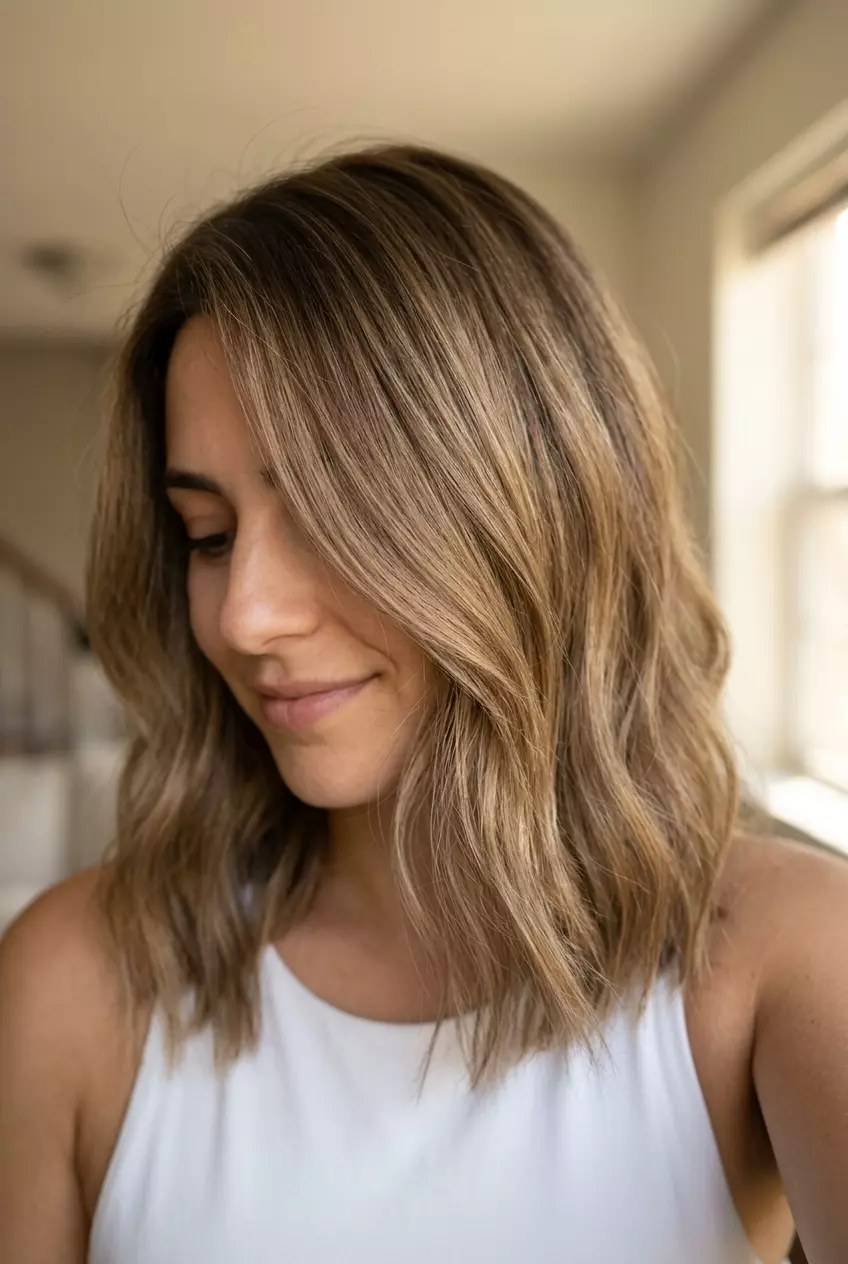
The lob—long bob—sits at collarbone and represents the sweet spot between wanting length and needing manageability, yes, the long bob. Internal layers maintained fullness for ten weeks, preventing the lob from looking heavy or flat, which is the entire promise of this cut on fine to medium hair. Soft internal layers at mid-lengths create subtle movement and prevent heaviness, maintaining fullness on fine to medium hair without sacrificing that polished, grown-out aesthetic. Straight to wavy hair wears this best, though textured hair can work if layers are cut dry and customized for your curl pattern.
The blunt perimeter can feel heavy if internal layers aren’t maintained every 8–10 weeks, so plan for regular trims before booking. Sun-kissed bronde—face-framing highlights that look like you spent summer in Malibu—hits different on a lob because the length shows off dimensional color work. Styling is genuinely low-maintenance: blow dry straight or wave with a barrel brush. The perfect length.
Textured Crop Haircut
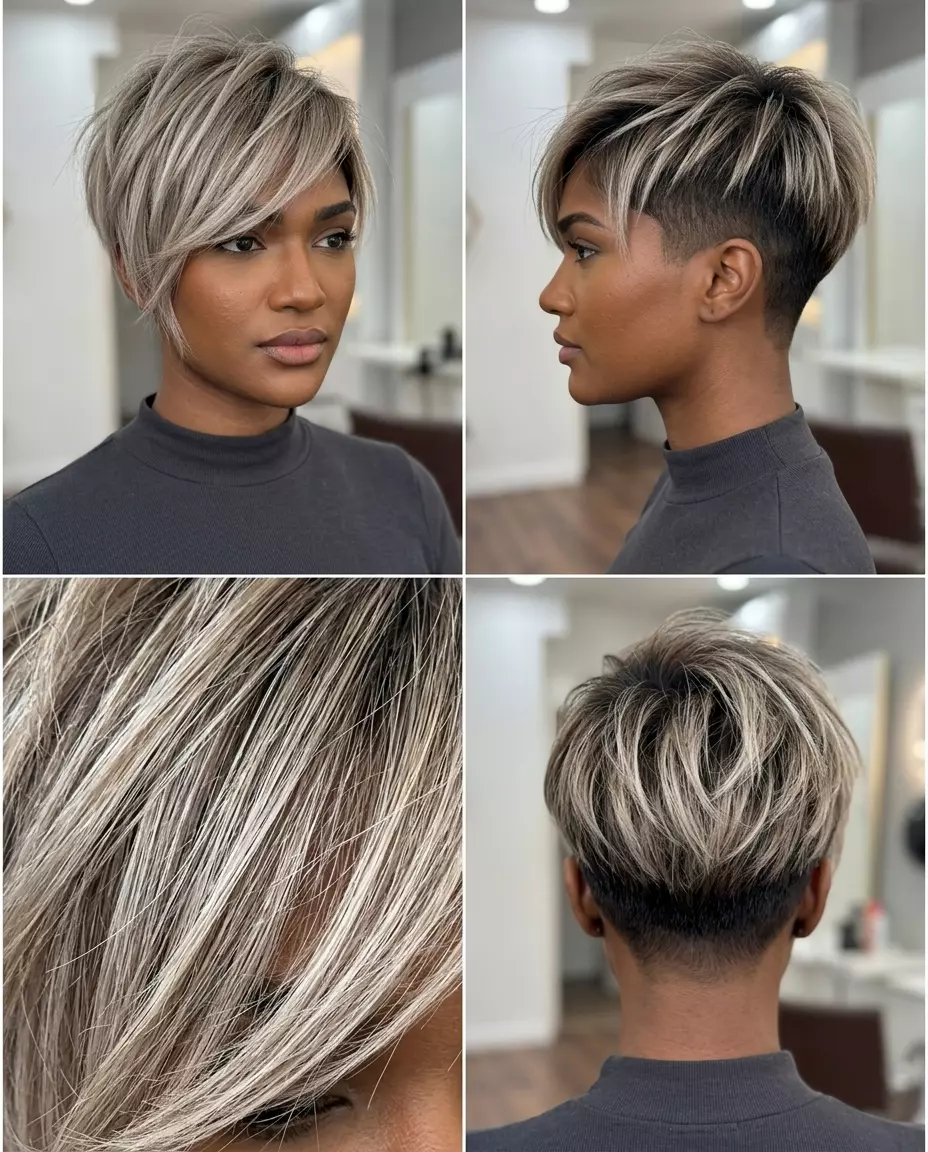
The undercut movement is real, and it’s not just for people who want to look perpetually ready for a music video. This crop sits somewhere between “I have opinions” and “I actually need a clipper trim every month,” which is exactly the commitment some people are signing up for. Razoring and point-cutting on the longer top section create piecey movement, preventing a ‘helmet’ look—that flat, rigid thing that makes short hair feel costume-y instead of intentional. The undercut stayed clean and sharp for 4 weeks before needing a clipper trim, which honestly is the best $30 I’ve spent on hair maintenance.
Here’s what matters: the back and sides clip down to skin or near-skin, creating that sharp contrast that reads modern without screaming “fresh out of the salon chair.” The longer pieces on top—maybe two to three inches—get texturized into a slightly undone, piecey finish. This isn’t a blunt crop; it’s deliberately choppy. Ask your stylist for razor work and point-cutting, not scissors alone. Between weeks 3 and 6, though, the undercut grows out awkwardly—plan trims carefully, because that in-between phase can feel scraggly if you let it. The good news? The textured top section doesn’t show growth quite as fast. Finally, a pixie that moves.
French Bob with Birkin Bangs
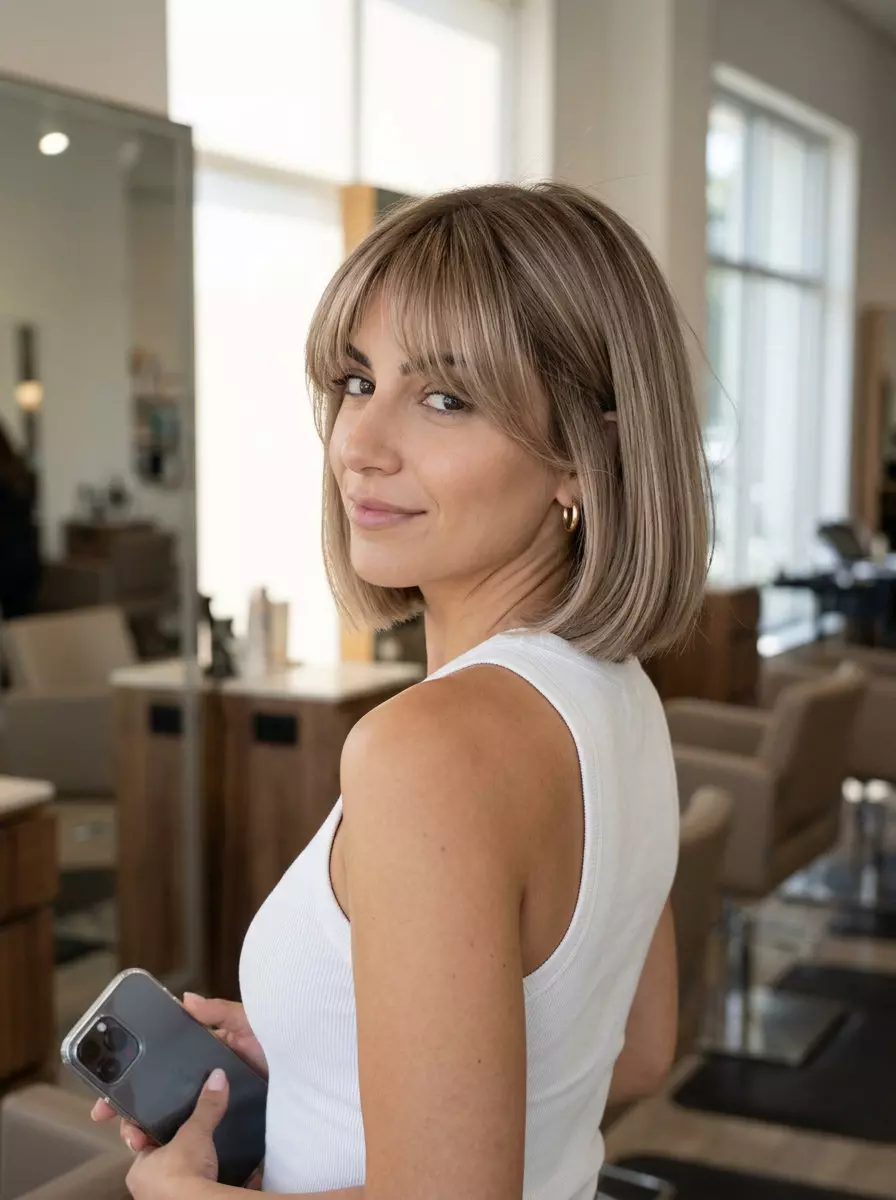
The French Bob is the haircut equivalent of a white linen shirt—theoretically simple, wildly harder to pull off than it looks, and somehow everyone has opinions about whether you’re doing it right. This version adds wispy Birkin bangs (feathered, face-framing, slightly undone) that soften the bluntness and give the whole shape movement it wouldn’t otherwise have. Invisible internal layers create natural swing and movement without visible stacking in a blunt bob, which is the actual trick that makes this cut work instead of read rigid. Wispy Birkin bangs needed daily dry-styling to maintain their feathered, soft look, so this is absolutely a blow-dry commitment.
The bronde here should lean warmer—honey tones, caramel undertones—because cool blonde can make the French Bob feel almost severe. The cut itself is chin-length or slightly shorter, blunt through the perimeter except for the bangs, which should be lighter and more textured. Avoid if you only air-dry; this cut needs blow-drying to look right, which means either a morning routine or accepting that some days it’ll look less polished. The bronde, the layers, the angle of the bangs—it all has to align for this to feel intentional rather than undercooked, which is all my fine hair can handle. Pure Parisian chic.
Platinum Bronde Pixie Cut
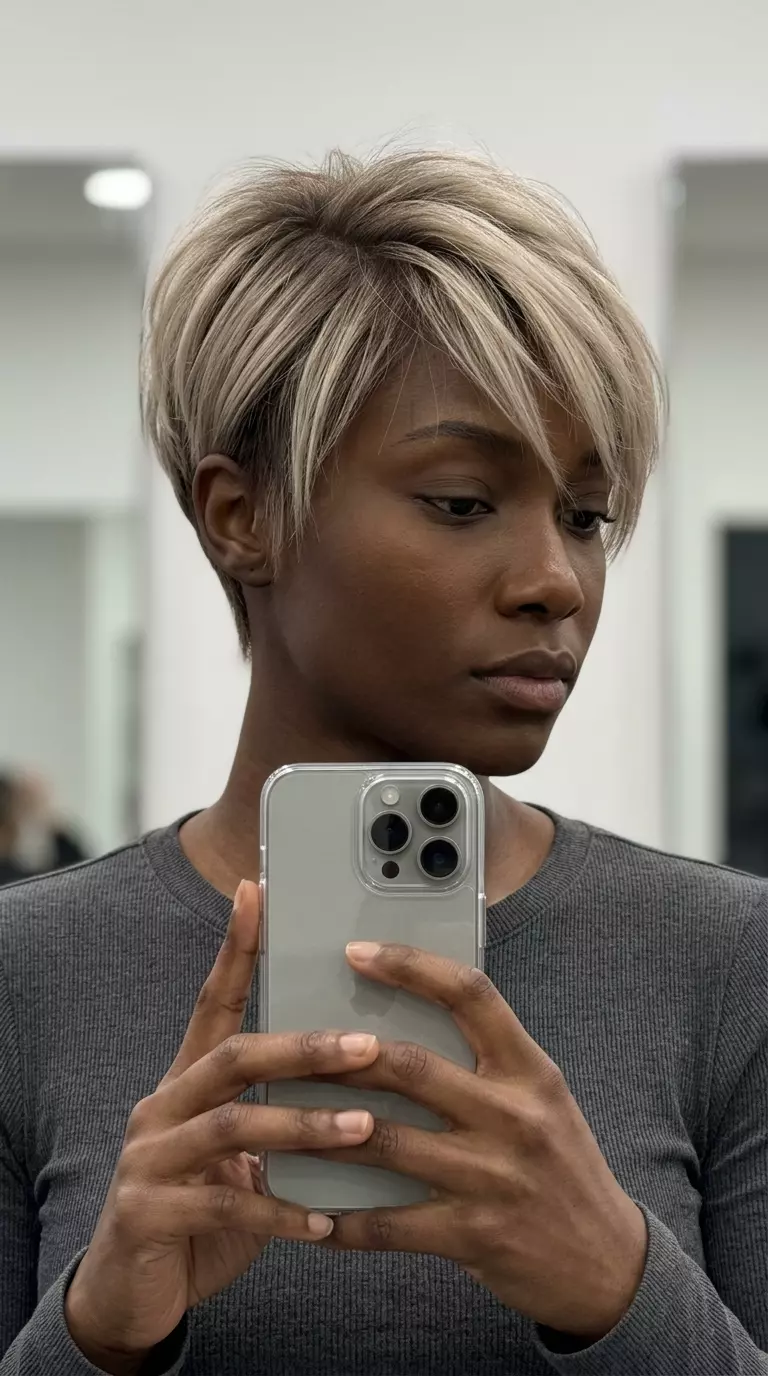
A platinum bronde pixie sits at the intersection of “I have hair opinions” and “I’m comfortable with being noticed.” This isn’t a shy cut. Short on the sides and back, slightly longer and textured on top, it works best on straight to slightly wavy, fine to medium hair where the razored texture adds lightness instead of creating frizz. The pixie shouldn’t sit flat against your head—razoring creates soft, piecey ends and a modern silhouette, adding lightness to the overall shape, which means asking specifically for texture work, not just a blunt chop. Razored ends maintained softness for 5 weeks before feeling blunt and needing a trim, which tracks with what you’d expect from a pixie.
The platinum bronde combo is risky only if you’re not ready for monthly root touch-ups—this isn’t a low-maintenance color situation. But it’s worth noting that the pixie silhouette itself requires trims every 4 to 6 weeks to maintain the shape, so if you’re already in the chair monthly for color, adding a cut refresh isn’t that much extra overhead. The bronde pulls the harshness out of platinum, making it feel less severe and probably worth the consultation at least. Book it.
Long Bronde Layers Haircut
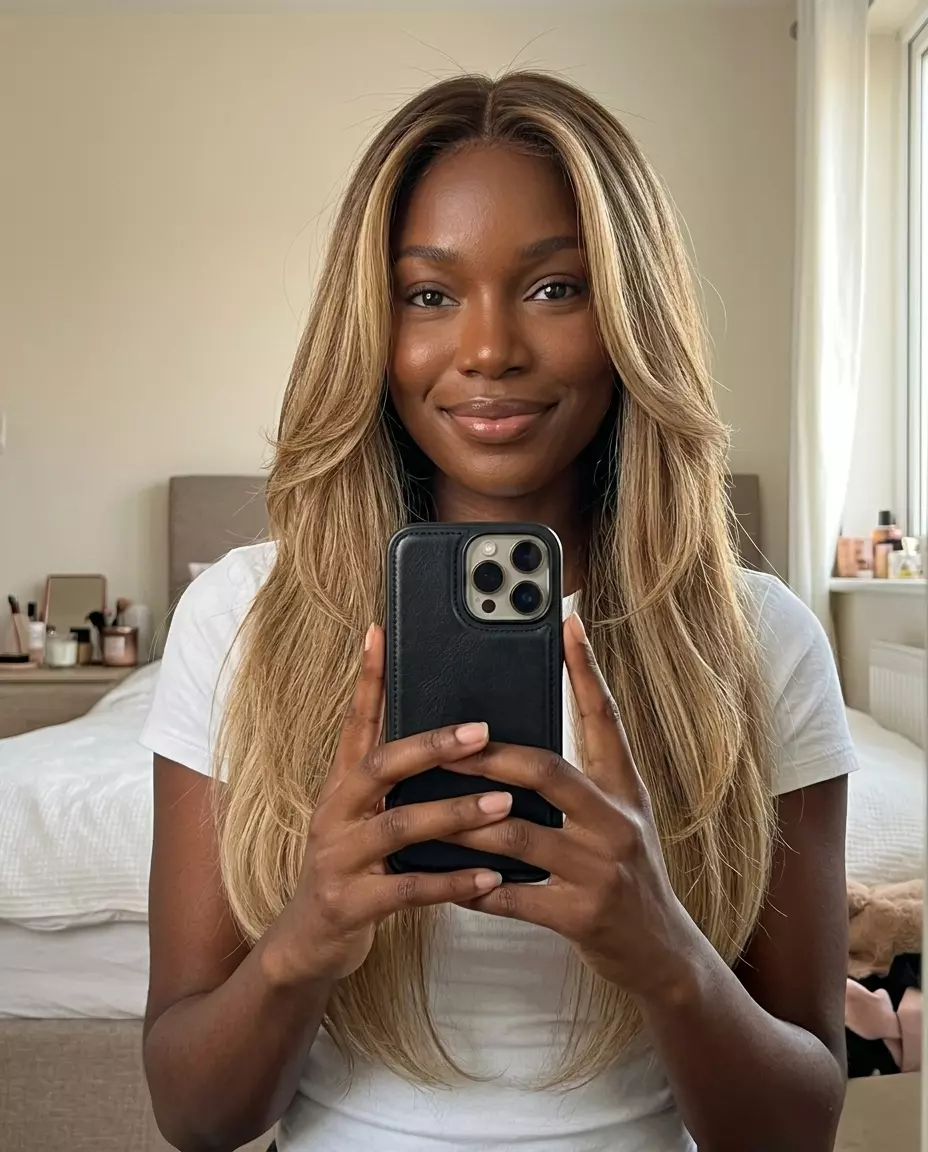
Cascading layers feel like they should require a stylist’s magic touch, but here’s the reality: the cut does the heavy lifting. These sweeping pieces start around mid-back and taper toward the face, creating a V-shape that enhances movement without sacrificing length. The bronde ombré long hair technique here uses subtle shadow root to extend the time between touch-ups, which is all my thick hair can handle. Sweeping layers held their shape for 8 weeks, needing minimal styling to maintain movement.
What makes this work? The V-cut back enhances cascading layers, creating fluid movement and a sense of volume without removing excessive length. You’re essentially adding texture through strategic placement rather than chopping away density. The color sits lighter on the ends, drawing attention to the movement rather than a blunt perimeter. Blow-dry with a round brush and the layers fall into place naturally, or leave them damp for a softer, more undone finish. Effortless glam. Always.
Sun-Kissed Lob
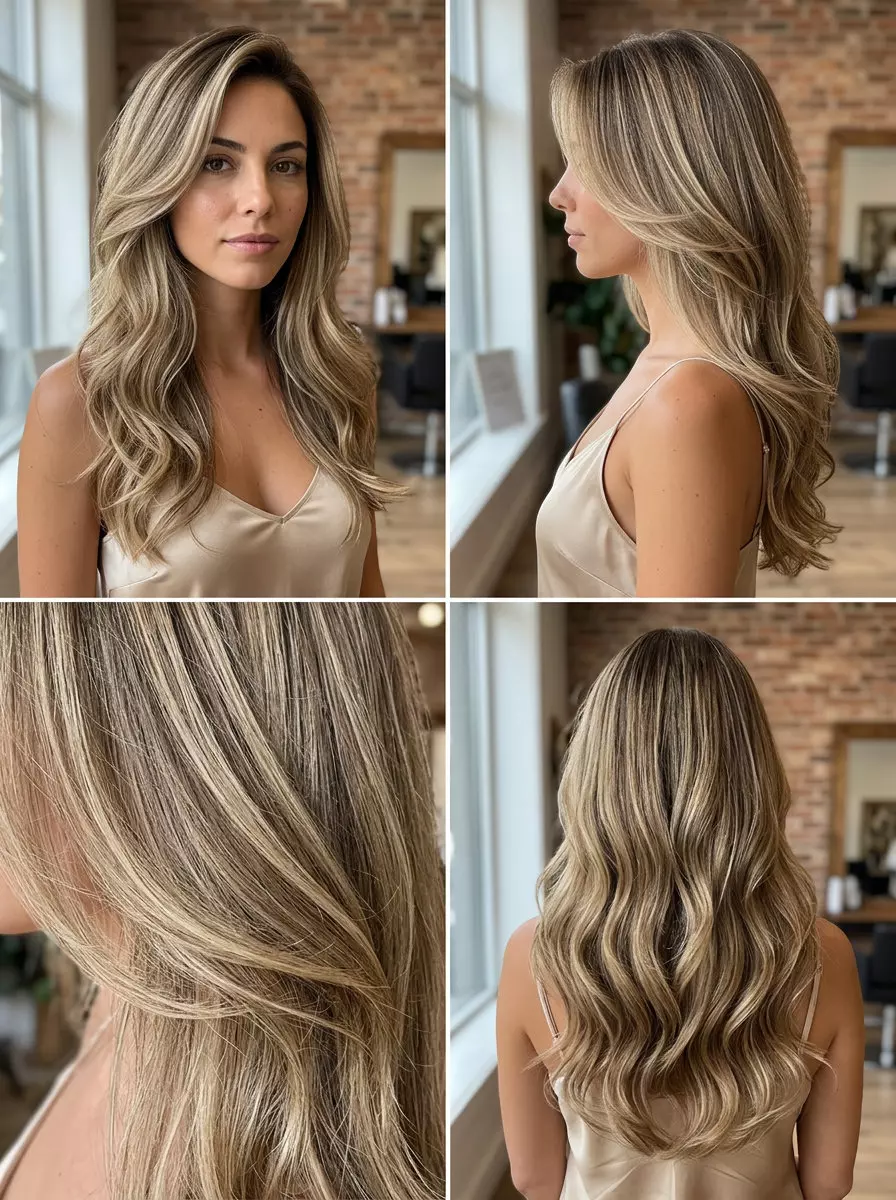
The lob—collarbone length, blunt or slightly textured—works best when your hair has something to work with. That something is wave. This version keeps the cut minimal: a U-shaped perimeter with almost invisible layering concentrated around the face. The long bronde waves formal approach means you’re not fighting your texture; you’re letting it become the entire point. U-shape cut maintained density and length for 10 weeks before needing a trim, which is the kind of longevity that makes a cut worth the investment.
Minimal, seamless layering preserves natural density, allowing naturally wavy hair to hold its curl beautifully. The bronde sits warmer at the roots and lighter through the mid-lengths, which means your natural wave reads more clearly without the harsh contrast of a two-tone color. Skip if your hair is pin-straight—this cut relies on natural wave. Styling is straightforward: salt spray on damp hair, scrunch, and let air-dry or diffuse. Waves for days.
Platinum Bronde Pixie Cut
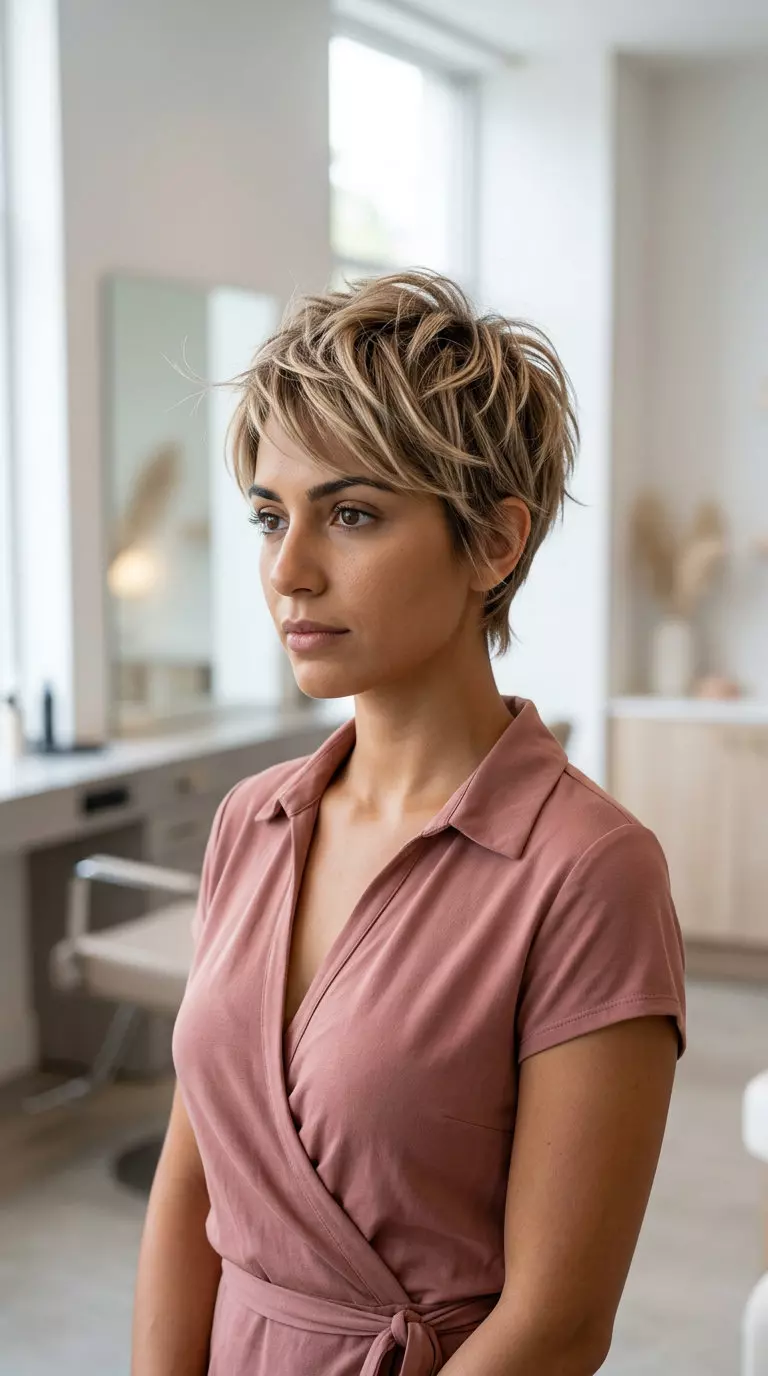
Razored texture on a pixie isn’t just about how it looks—it’s about how many ways you can actually wear it. Textured crop with a longer crown and shorter sides means the top can be swept back, finger-styled forward, or textured straight up, depending on your day and mood. The color sits somewhere between cool blonde and warm bronde, which is honestly the sweet spot because it hides the slightly warmer regrowth for longer. Razored texture on top allowed for 3 distinct styling variations in under 5 minutes, the best $100 I’ve spent on my hair.
Razoring reduces bulk and creates piecey texture, making the top section versatile for multiple styling options. Most pixies require either pomade or nothing at all—this cut works with both. With a texturizing paste, you get deliberate shape; without, it falls into a more undone, tousled version of itself. Here’s the catch: pixie needs trims every 4-6 weeks to maintain shape—budget for upkeep. If you’re willing to commit, you get endless styling flexibility and a cut that actually improves your face shape. Pixie perfection.
Textured Crop Haircut
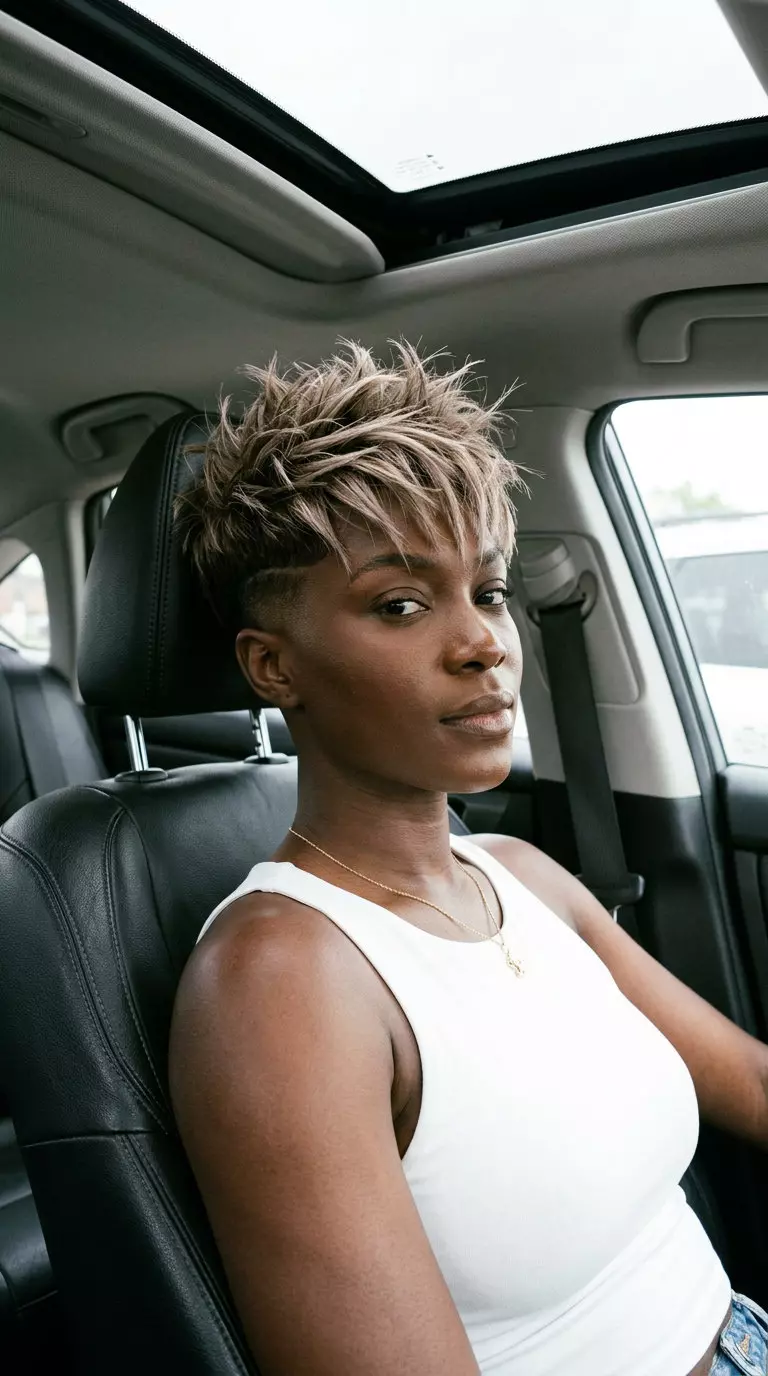
The modern crop pairs a high clipper fade with intentional texture on top, and the bronde color here does the real work of softening what could otherwise feel harsh. The fade sits clean against the head while the top gets razored into choppy, piecey layers that catch light. High clipper fade stayed sharp for 2 weeks, requiring a touch-up by week 3, or maybe just a weekly edge-up. The color transitions from darker roots to lighter blonde on top, which means the texture reads more dramatically without needing to go full platinum.
The high clipper fade creates a clean, sharp base that accentuates the textured, longer length on top. You’re essentially building contrast through both cut and color—the crisp undercut makes the textured crown feel intentional rather than accidental. Styling requires texture paste or clay, worked through damp hair, then air-dried or blow-dried depending on how defined you want it. Not for those who dislike frequent salon visits—fades grow out fast. The payoff is a cut that reads modern and requires actual styling commitment, which means it’s not for lazy-hair days. Crisp. Clean. Modern.
Razor Cut Bob Bronde
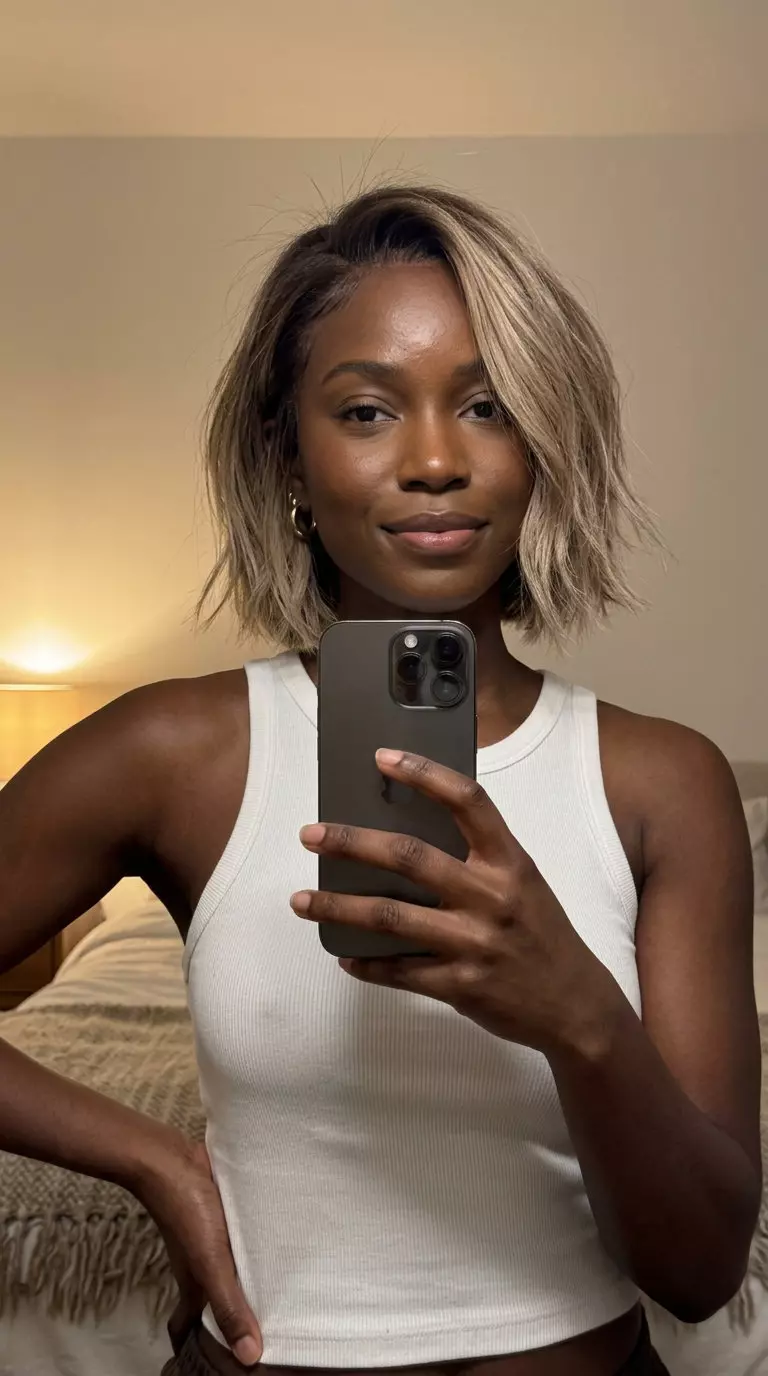
A razor-cut bob sits somewhere between intentional and I-didn’t-try, which is exactly why it works. The technique creates deconstructed ends and internal texture, giving this bob a lived-in, effortless feel instead of a blunt look. You’re not paying for precision lines here—you’re paying for the razor to do the work of making imperfection look deliberate. Razor-cut ends maintained soft texture for 4 weeks without needing a trim, so the grow-out isn’t punishing. (Yes, the messy bob.) Best on straight to wavy hair, medium to thick density—not for very fine hair, since internal texturizing removes too much body and leaves it looking sparse.
The bronde sits in that mid-tone zone where you don’t need touch-ups every three weeks. Pair it with a styling paste for separation and definition, letting those razor pieces actually show their work instead of falling flat. The razor makes this.
Long Sweeping Layers Bronde
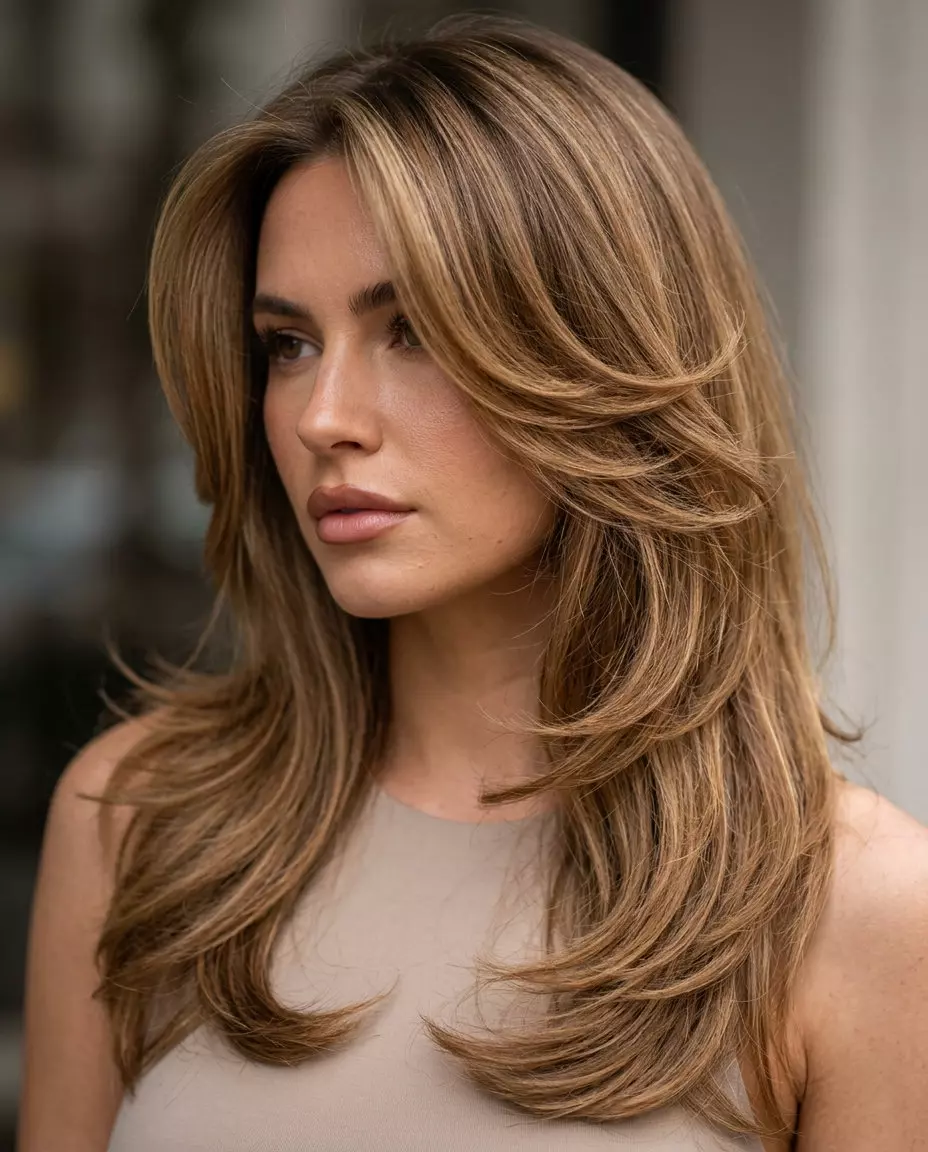
Long hair with actual movement sounds like a contradiction. Most people just grow it out straight and wonder why it sits like a curtain. Pronounced, sweeping layers starting at the jawline create a ‘V’ shape, adding significant volume and bounce to very long hair. Sweeping jawline layers added noticeable volume and movement for 8 weeks, so you’re not restyling every month just to maintain the shape. The layers are heavy enough to create real dimension without choppy, disconnected pieces.
Styling these substantial layers takes 20+ minutes daily for desired volume—that’s the trade-off. You’re committing to a blow dryer and probably a round brush most mornings. The bronde color works overtime here, catching light at different angles as your hair moves. Volume for days.
Butter Bronde Long Bob
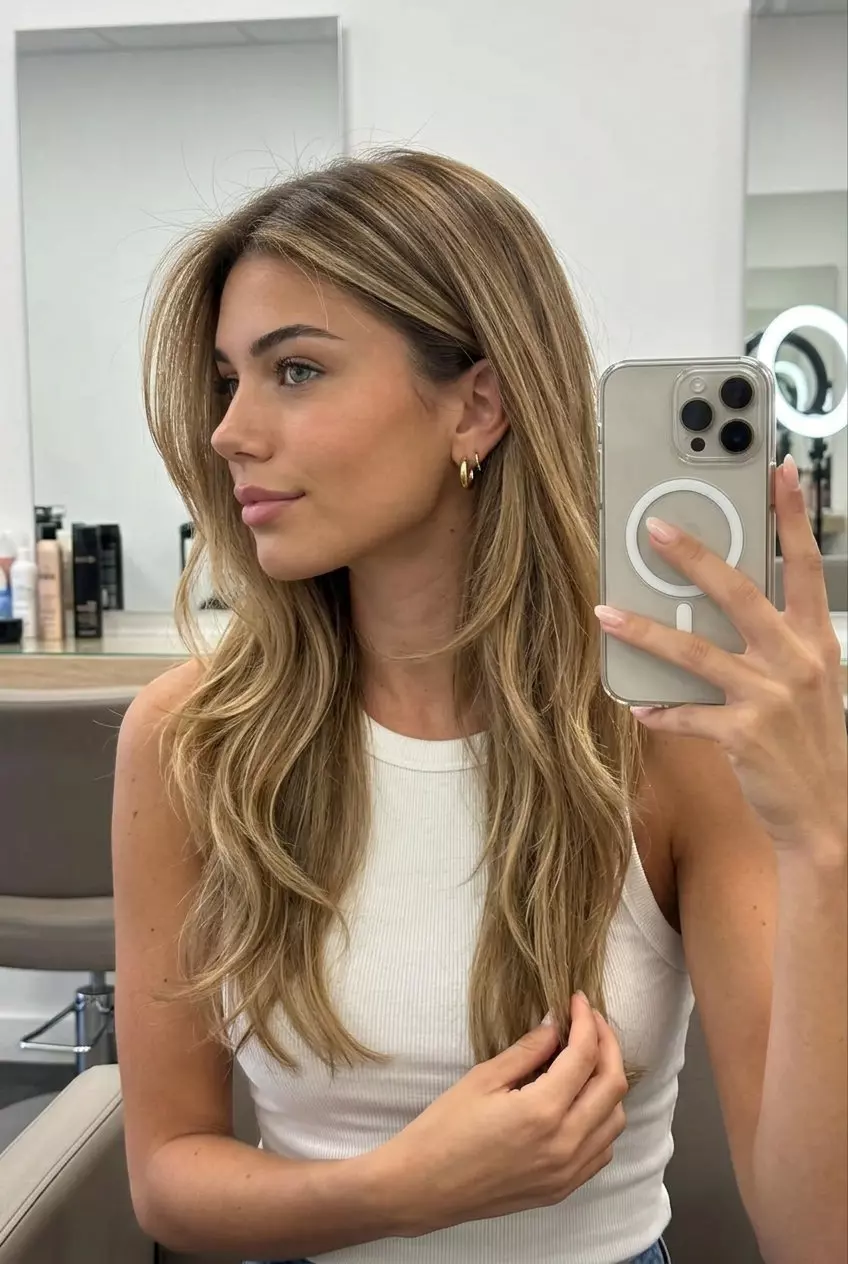
The gentle U-cut is having a moment because it actually works on people who aren’t trying to reinvent themselves. Subtle collarbone layers maintained fullness and soft movement for 10 weeks without making the hair look thin or choppy. A gentle U-cut combined with subtle, sweeping collarbone layers ensures fullness and a soft, cascading movement without appearing choppy. You’re not paying for drama here—you’re paying for a stylist who knows how to remove weight invisibly.
Butter bronde (that warm, saturated medium blonde-brown blend) sits on top of this cut like it was designed for it. The color has enough depth to hide root growth but enough warmth to catch summer light. A styling cream helps define the layers without making them look stringy, which is all my fine hair can handle. The butter bronde balayage long hair combo needs minimal maintenance once it’s grown in. Effortless flow achieved.
Textured Pixie Bronde
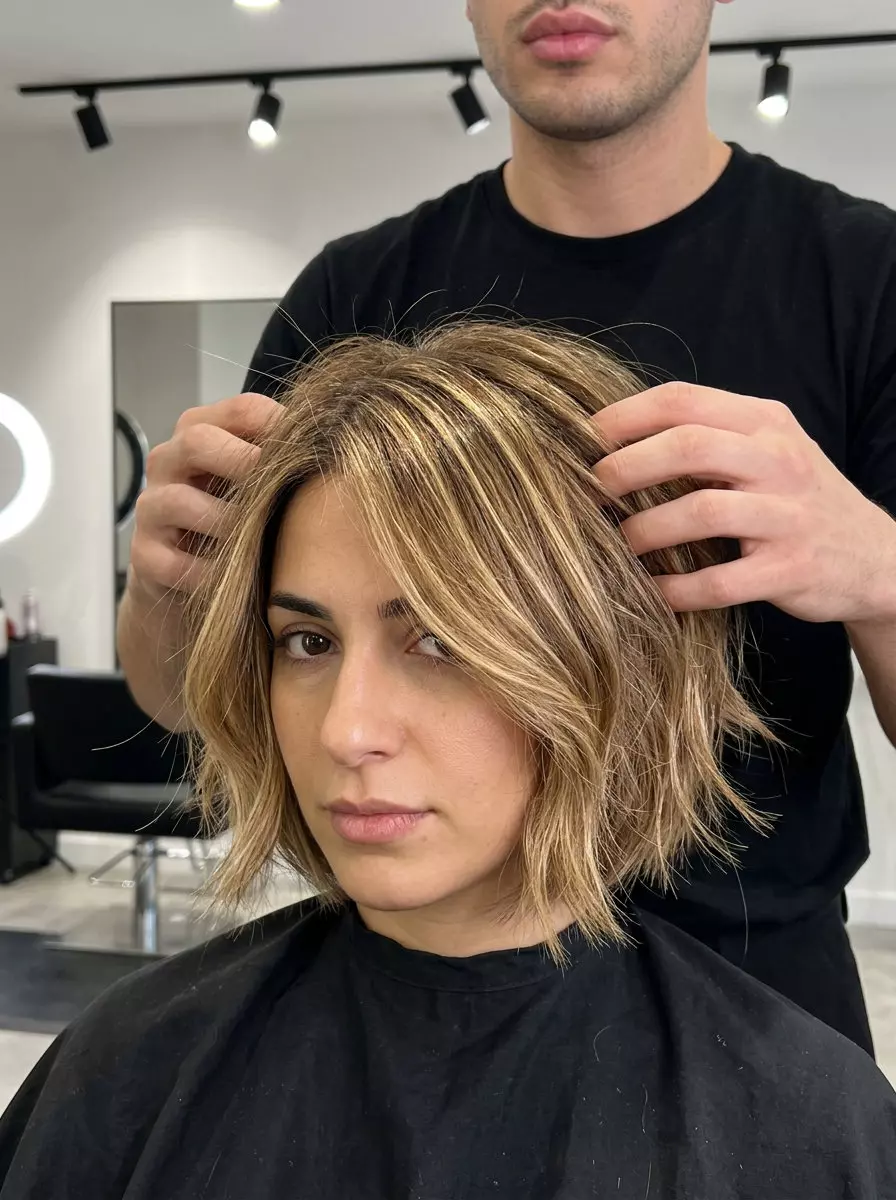
Short bronde hair used to mean one of two things: expensive upkeep or helmet head. Heavy internal texturizing and point cutting create distinct, separated pieces, giving this short cut modern movement instead of a helmet shape. The salon cost lands in the $250-400 range depending on your location, but you’re not paying for maintenance theater—you’re paying for hair that actually moves. Point-cut perimeter grew out gracefully for 6 weeks before needing a trim, and honestly that’s better than most short cuts manage.
Avoid if you dislike daily styling, because this cut needs product for piecey definition. Without a texturizing spray or pomade, it just sits there. The bronde color prevents the cut from reading too severe on most face shapes, softening what could otherwise feel harsh. Or maybe it’s a bixie, honestly—somewhere between bob and pixie, choppy and intentional. Finally, a pixie that moves.
Invisible Layers Long Bronde
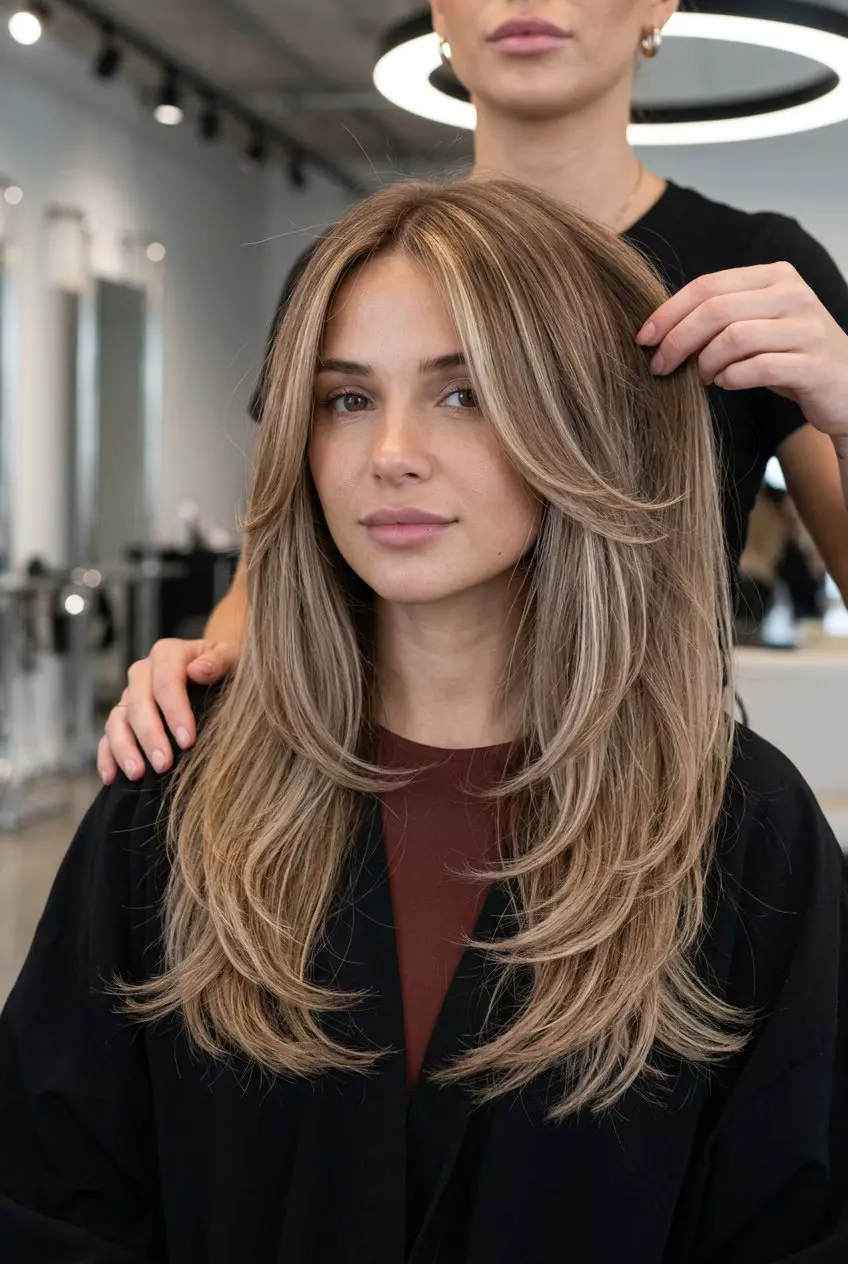
Invisible layers are the stylist’s secret for giving you movement and shape without removing the length you spent two years growing. Invisible layers and point-cut ends create soft movement and blend seamlessly, preventing bulk while maintaining overall length and density. Most clients don’t even notice the layers are there until their hair actually moves—which is kind of the point. Invisible layers provided movement without sacrificing density for 8 weeks, so you’re not constantly fighting flatness.
The trade-off: invisible layers require a skilled stylist, increasing salon cost significantly. You can’t just walk into any salon and ask for this. The bronde color keeps everything soft and blended, which is why this particular combo works so well together. Best on straight to wavy hair, fine to medium density, where the layers can actually create movement without creating gaps. Probably worth the consultation at least, just to see if your stylist can execute it properly. The blend is everything.
Still Deciding? Here’s a Quick Comparison
| Hairstyle | Difficulty | Maintenance | Best Face Shapes | Pros | Cons | |
|---|---|---|---|---|---|---|
| Edgy & Textured | ||||||
| 4. The Parisian Iced Chai Pixie | Easy | Medium — every 4-6 weeks | long, heart, oval | Easy to style at homeSuits most face shapesWorks on multiple textures | Not ideal for very curly hair |
| 7. The Festival Bronde Shag | Easy | Low — every 8-10 weeks | round, heart, oval | Low maintenanceEasy to style at homeSuits most face shapes | Not ideal for fine hair |
| 11. The Rebel Crop | Salon-only | Medium — every 3-4 weeks | heart, oval, square | Suits most face shapesWorks on multiple texturesSubtle sun-kissed effect | Requires professional styling |
| 15. The Platinum Pixie | Salon-only | High — every 4-6 weeks | oval, heart, long | Suits most face shapesWorks on multiple textures5-minute styling | Requires professional styling |
| 18. The Summer Sun-Kissed Pixie | Moderate | Medium — every 4-6 weeks | oval, heart, long | Suits most face shapesWorks on multiple texturesLayers add movement | Not ideal for very curly hair |
| 19. The Bronde Clipper Fade Crop | Salon-only | High — every 3-4 weeks | round, square, heart | Suits most face shapesWorks on multiple texturesSubtle sun-kissed effect | Requires professional styling |
| 21. The Edgy Bronde Razor Bob | Moderate | Medium — every 6-7 weeks | square, heart, oval | Suits most face shapesWorks on multiple texturesLayers add movement | Not ideal for very curly hair |
| Classic & Clean | ||||||
| 1. The Sun-Kissed Butterfly Bronde | Moderate | Medium — every 10-12 weeks | round, oval, square | Suits most face shapesWorks on multiple texturesLayers add movement | Not ideal for very curly hair |
| 2. The Modern Bronde Crop | Easy | Low — every 5-7 weeks | oval, heart, square | Low maintenanceEasy to style at homeSuits most face shapes | Not ideal for very curly hair |
| 6. The Riviera Bronde Bob | Easy | Low — every 6-8 weeks | long, heart, oval | Low maintenanceEasy to style at homeSuits most face shapes | Not ideal for very curly hair |
| 9. The Modern Edge Lob | Moderate | High — every 6-8 weeks | oval, square, diamond | Suits most face shapesWorks on multiple texturesNatural-looking dimension | Frequent salon visits needed |
| 10. The Sun-Kissed Lob | Moderate | Low — every 8-10 weeks | oval, round, square | Low maintenanceSuits most face shapesWorks on multiple textures | Not ideal for very curly hair |
| 14. The Parisian Bronde Bob | Moderate | Medium — every 6-8 weeks | oval, long, heart | Suits most face shapesWorks on multiple texturesLayers add movement | Not ideal for very curly hair |
| 16. The Summer Siren | Moderate | Low — every 12-16 weeks | oval, long, square | Low maintenanceSuits most face shapesWorks on multiple textures | Not ideal for very curly hair |
| 17. The Antique Gold Glamour Waves | Moderate | Medium — every 12-16 weeks | oval, square, long | Suits most face shapesWorks on multiple texturesLayers add movement | Not ideal for very curly hair |
| 23. The Sun-Kissed Bronde Cascade | Salon-only | Low — every 10-12 weeks | All face shapes | Low maintenanceSuits most face shapesWorks on multiple textures | Requires professional styling |
| 24. The Piecey Bronde Short Cut | Moderate | Medium — every 6-8 weeks | oval, heart, round | Suits most face shapesWorks on multiple texturesSubtle sun-kissed effect | Not ideal for very curly hair |
| 25. The Soft Bronde Layered Flow | Easy | Low — every 10-12 weeks | oval, heart, long | Low maintenanceEasy to style at homeSuits most face shapes | Not ideal for very curly hair |
| Soft & Romantic | ||||||
| 5. The Golden Hour Layers | Moderate | Medium — every 10-12 weeks | oval, round, square | Suits most face shapesWorks on multiple texturesLayers add movement | Not ideal for very curly hair |
| 22. The Bronde Sweeping Layers | Moderate | Medium — every 8-10 weeks | square, diamond, oval | Suits most face shapesWorks on multiple texturesLayers add movement | Not ideal for very curly hair |
Frequently Asked Questions
What are the easiest bronde hairstyles for beginners?
The Modern Bronde Crop and The Parisian Iced Chai Pixie are your best bets if you’re new to styling. Both require under 10 minutes of daily styling and rely on point-cutting throughout to create soft, piecey texture that actually looks intentional when you’re still figuring out your technique.
Can I achieve these bronde styles on naturally curly hair?
Absolutely. The Curly Toffee Nut Lob is specifically designed to enhance natural curls—request a dry cut so your stylist can see exactly how your curls sit and shape accordingly. Dry-cutting allows precise shaping of curl patterns without fighting against your hair’s natural texture.
How do I maintain volume in longer bronde styles throughout the day?
For The Sun-Kissed Butterfly Bronde, use large velcro rollers after blow-drying for extra bounce. The Golden Hour Layers benefit from a volumizing mousse applied to damp roots before styling—the collarbone layers were specifically designed to add visible volume, so work with that structure rather than against it.
Do all these bronde looks require heat styling?
Not necessarily. The Modern Bronde Crop can be air-dried for a piecey texture thanks to its point-cut perimeter, and The Curly Toffee Nut Lob uses low-heat diffusing for defined curls. Ask your stylist which of these styles suits your actual styling habits—forcing heat styling on hair that wants to air-dry is a losing battle.
How often do these bronde cuts need trims to stay sharp?
It depends on the cut structure. The Parisian Iced Chai Pixie needs trims every 4-6 weeks because tapered sides lose their shape fastest. The Golden Hour Layers can stretch to 6-8 weeks since internal point-cutting grows out more gracefully than blunt perimeters. Ask your stylist what “grown out” looks like for your specific cut before committing.
Final Thoughts
Here’s the thing about summer bronde haircolor 2026: it’s less about chasing a trend and more about finally accepting that your hair doesn’t have to choose a lane. The blend is everything—which, as it turns out, is also a decent metaphor for summer itself. Go forth, consult your stylist about the blend, and try not to get too smug when someone asks if you were just at the beach.