
Sabrina Carpenter’s honey-gold disco blonde at Coachella, Rihanna’s warm golden waves at the Fenty launch, Sydney Sweeney’s buttery Old Money bob at the Oscars after party—suddenly every colorist’s chair is booked solid with the same request. The shift from high-maintenance platinum to lived-in luxury blonde isn’t subtle anymore. It’s everywhere, and it’s not going anywhere.
This guide covers summer blonde hair color 2026, from Chai Latte Blonde with espresso lowlights to Sun-Drenched Honey with amber depth to Champagne Pop’s iridescent shimmer—cuts and colors that work on olive skin, cool skin tones, warm-medium skin, and everyone in between. Whether you’re after the effortless butterfly cut, the textured Italian bob, or soft shag movement, these aren’t generic Pinterest fantasies. They’re real.
I spent six months chasing the perfect blonde formula before realizing the color wasn’t the problem—the maintenance was. One root smudge appointment changed everything, and now I actually keep my blonde instead of abandoning it by August.
Icy Platinum Undercut
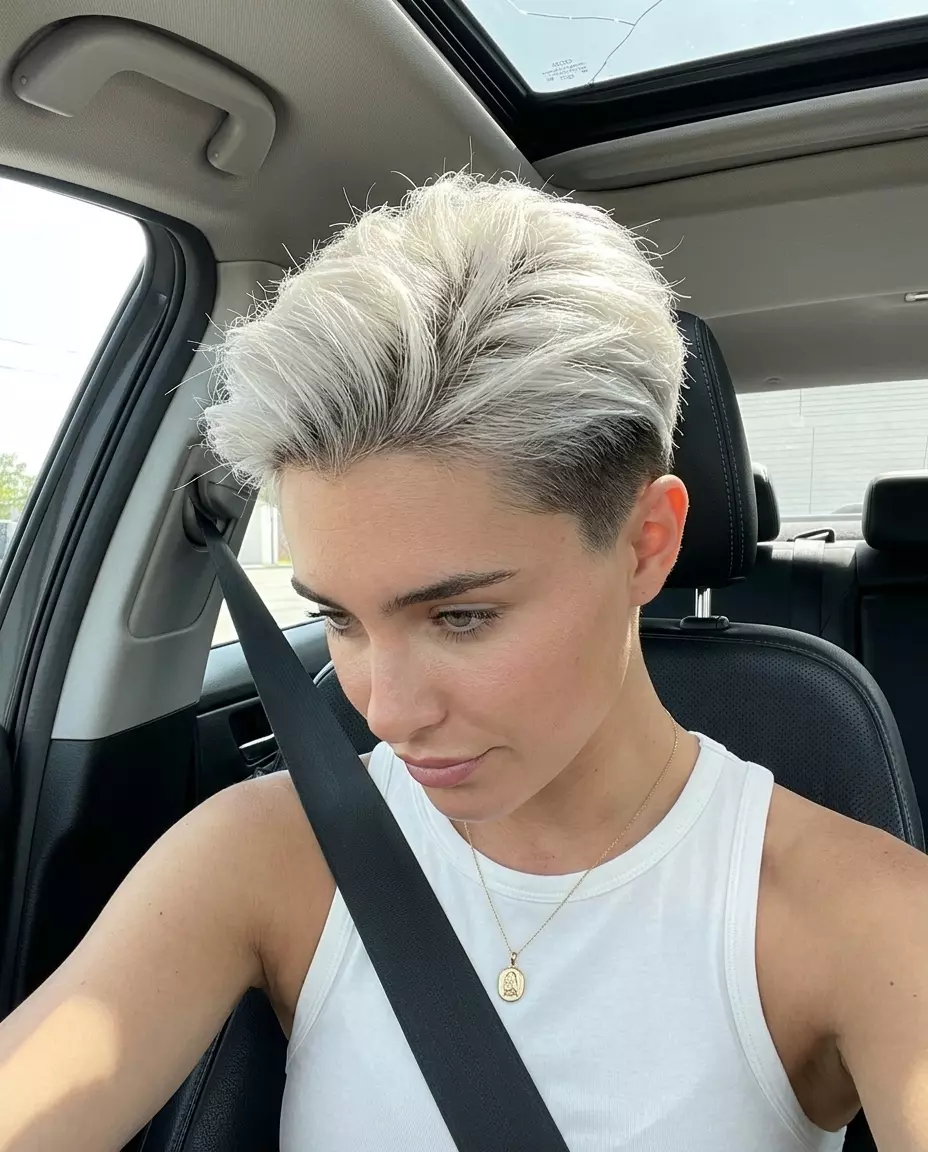
Icy platinum on an undercut reads immediately: technical, intentional, and willing to commit. The cut itself—short on the sides, longer on top—creates a canvas where the color becomes the statement. Point-cutting the top layers prevents that brassy, costume-shop feeling that kills platinum fast. Double-process bleach followed by violet-blue toner achieves level 10+ platinum by neutralizing all yellow tones, which is why colorists won’t rush this step (the commitment is real). Icy platinum held its tone for 3 weeks with purple shampoo twice weekly before yellowing, so expect the math: monthly maintenance at $150–200 minimum, or accept a slow fade into champagne.
The undercut grows out visibly around week four, meaning trims every four to six weeks are non-negotiable. Skip if you can’t commit to 3-week root touch-ups and extensive aftercare. But for anyone willing to live in the chair seasonally, this pairing works because the cut’s geometry doesn’t soften as it regrows—it just gets fuller on top. The undercut also demands styling intention: texturizing paste, blow-dry, or it reads flat and sad. This color screams confidence.
Mushroom Blonde Balayage
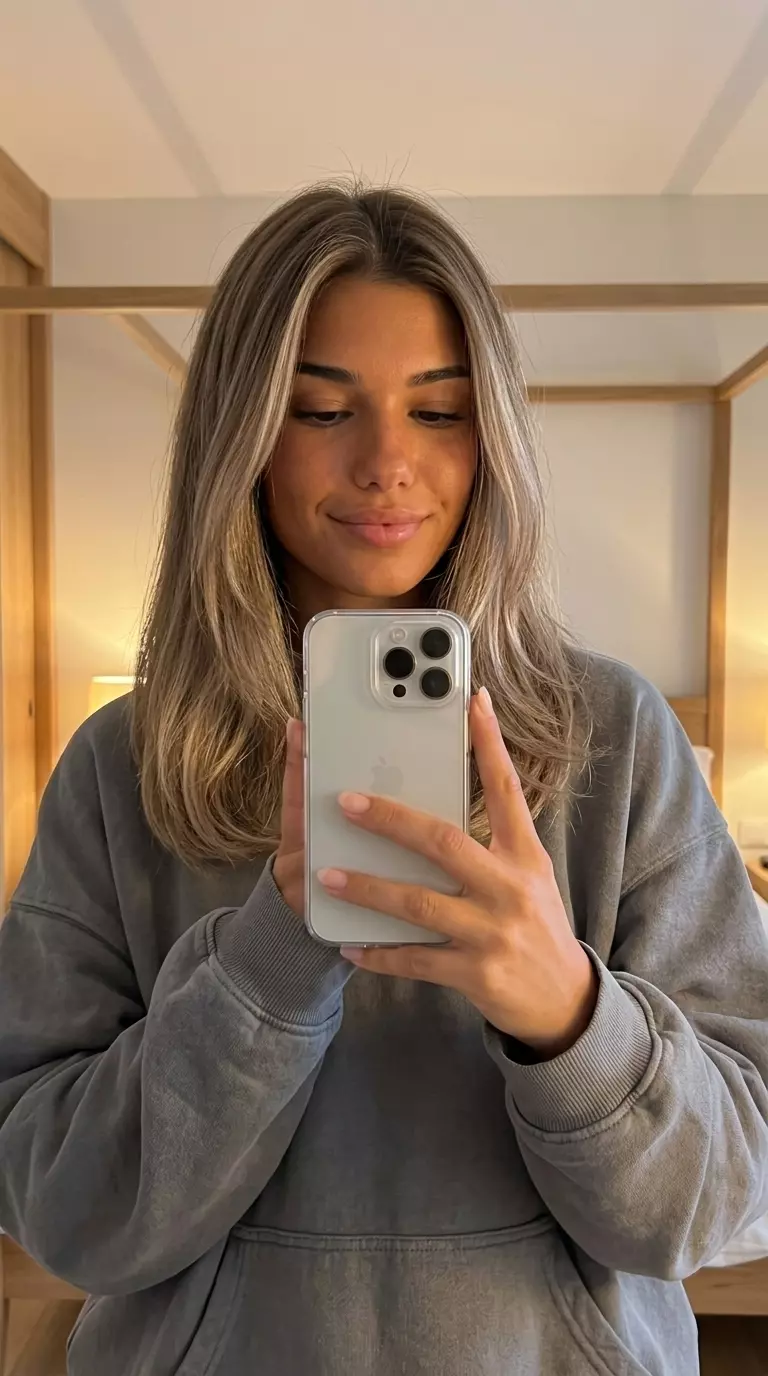
Mushroom blonde—that cool-toned, slightly mauve-shifted blonde—has become the thinking person’s warm blonde. It’s not platinum, not honey, but exists in that creamy middle where it reads as sophisticated instead of brassy. Balayage technique creates a seamless, multi-tonal blend by hand-painting highlights for natural depth, which is why this style grew out seamlessly for 10 weeks before needing a refresh, avoiding harsh lines that make a bob look skeletal at week eight. The color sits somewhere between level 8–9, with dimensional placement around the face and scattered through mid-lengths. Balayage on dark hair takes 2–3 sessions, not one, for optimal lift—important context before you book.
The real win is the maintenance math: balayage extends color longevity because there’s no harsh demarcation line at the root. You’re not watching a stripe appear; you’re watching it blur. This matters if you have darker roots (which, let’s be honest, subtly chic, and all my fine hair can handle—nobody’s doing root bleach every three weeks on purpose, which is all my fine hair can handle. The color fades gradually into warmer tones rather than appearing suddenly washed out, buying you an extra month between salon visits compared to full highlights.
Golden Honey Balayage
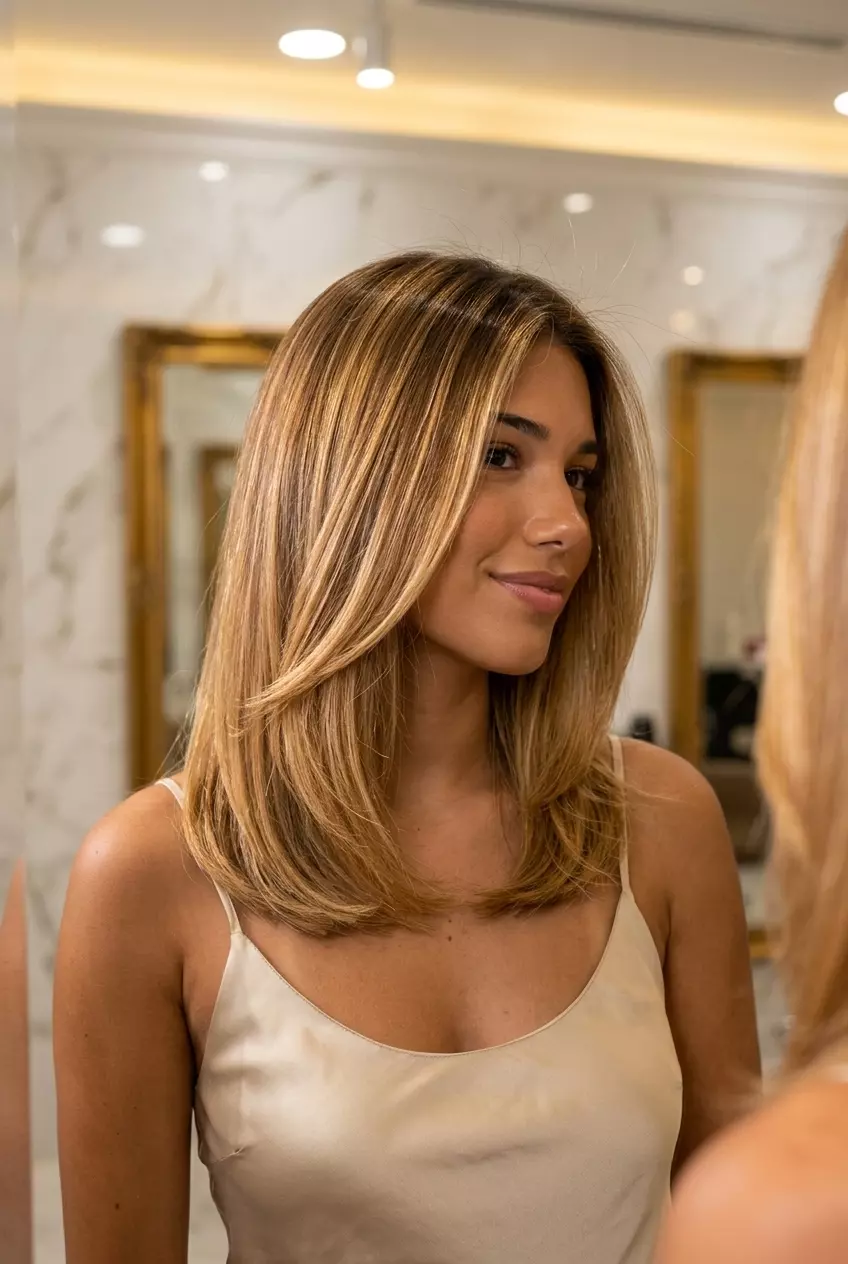
Golden honey balayage is what happens when you commit to warm, sun-soaked blonde but keep the technique forgiving. Hand-painted highlights scattered through the mid-lengths and ends create multiple tones of honey, caramel, and light gold that read as grown-out intentionally rather than neglected. The technique works because darker bases show the dimension clearly—you’re not trying to see highlights on existing blonde. Color placement focuses on movement: around the face, through the ends, anywhere the eye naturally travels. This is less precise than balayage on shorter hair, which means your colorist has freedom to work with your hair’s texture and fall, not against it.
Maintenance is straightforward: the multi-tonal approach means fading reads as natural color progression, buying you ten to twelve weeks between refreshes instead of six. The color lands somewhere on the brassy-to-golden spectrum depending on your base and water chemistry, but that warmth is part of the appeal. Gloss appointments every eight weeks maintain shine without committing to color work every single time you visit. Honey balayage for summer translates to lower maintenance than you’d expect from a blonde service, which matters if you’re treating this as a seasonal shift rather than a year-round commitment.
Champagne Blonde Root Smudge
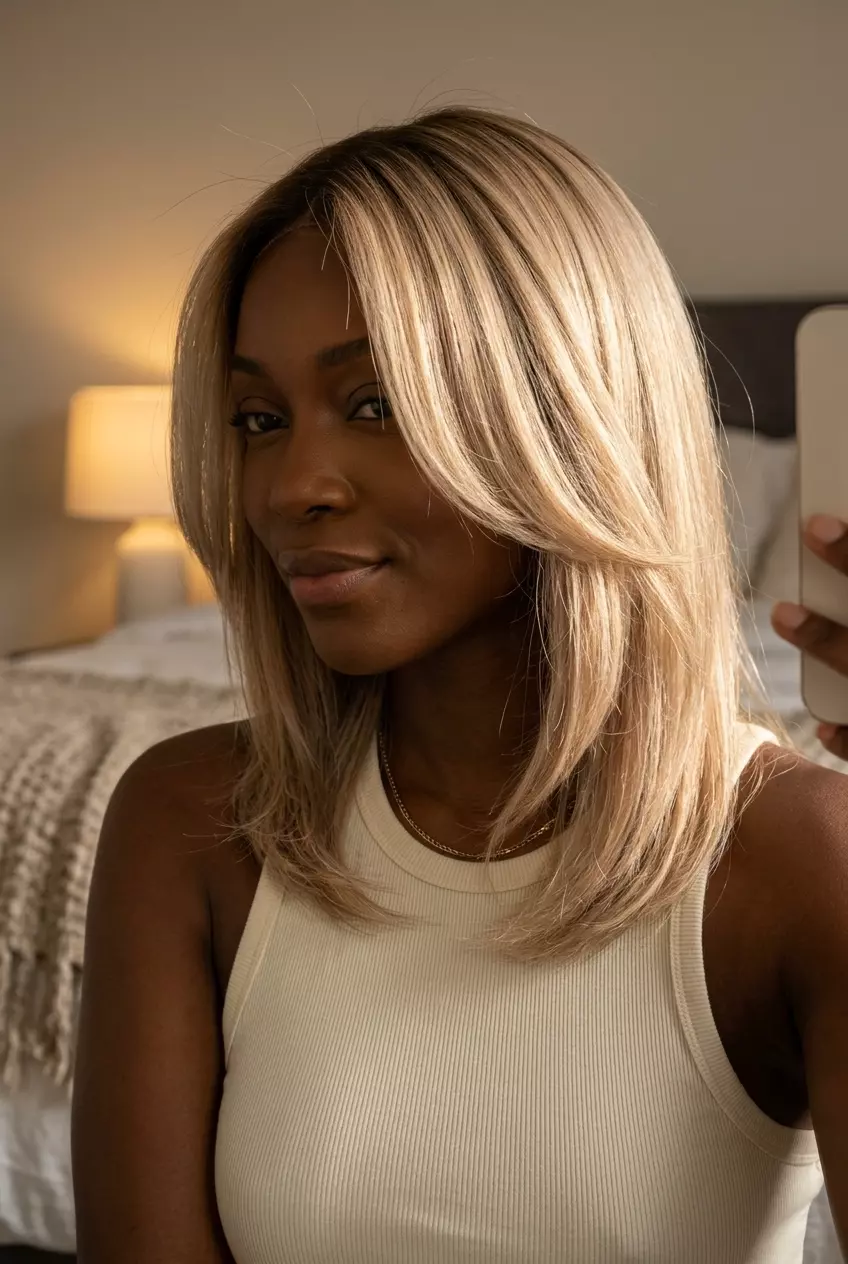
The root smudge isn’t new, but the way colorists are executing it for summer 2026 is. Instead of a harsh grow-out situation, you’re getting a deliberate, blended transition that looks intentional from day one. The technique uses demi-permanent root shadow that sits somewhere between your natural base and the brighter blonde, creating exactly what the name suggests—a soft, diffused transition. Demi-permanent root smudge creates a soft, diffused transition, extending time between salon visits without the commitment of full-coverage permanent color.
What makes this work is the timeline. Root smudge allowed 8 weeks between salon visits before a harsh line appeared, which is the kind of math that actually works for a real life. You’re not trapped in the every-three-weeks cycle that platinum demands (though platinum requires $200+ monthly maintenance—budget accordingly). The smudge gives you breathing room. The technique sits in a sweet spot between deposit and fade, meaning it softens gradually instead of creating a visible demarcation. The best $30 I’ve spent on hair was purple shampoo to maintain this, honestly. The neutralizing pigment keeps the brighter pieces from going brassy while the rooted section stays warm. By week six, it still looks intentional. By week eight, you’re thinking about booking. Champagne dreams realized.
Iced Tea Blonde Balayage
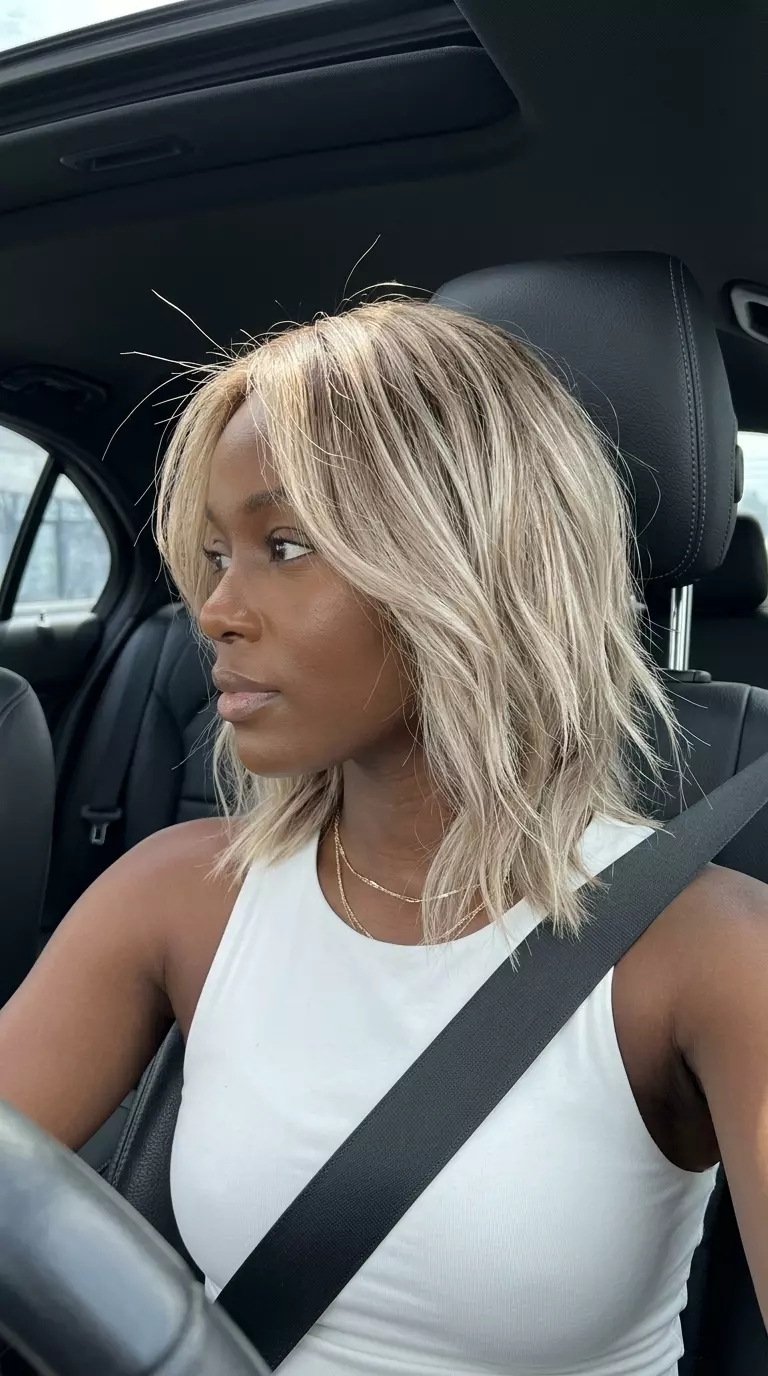
The dimensional play here comes from wider, more deliberate highlight placement. Instead of the fine, threaded look of traditional balayage, iced tea blonde balayage uses chunky, hand-painted sections that create distinct separation between lit and shadowed areas. Wider highlight sections create a distinct ‘piecey’ effect, adding unique dimension that reads instantly in photos and conversation. The base stays cool—ash undertones throughout—while the highlights push toward icy blonde. It’s got contrast without looking calculated.
The appeal is immediate visual impact. Violet-ash toner kept brassiness at bay for 6 weeks with proper shampoo, which is critical because warmth kills the whole aesthetic here. You need a colorist who understands that wider sections can look stripey if not expertly placed—choose your colorist wisely. Ask to see their portfolio of balayage specifically; not every good colorist excels at this technique, or maybe balayage, honestly. The placement determines whether you look like you discovered expensive blonde or like something went wrong. The sections should follow your natural hair fall, not fight it. Cool, crisp, perfect.
Buttercream Blonde Foilyage
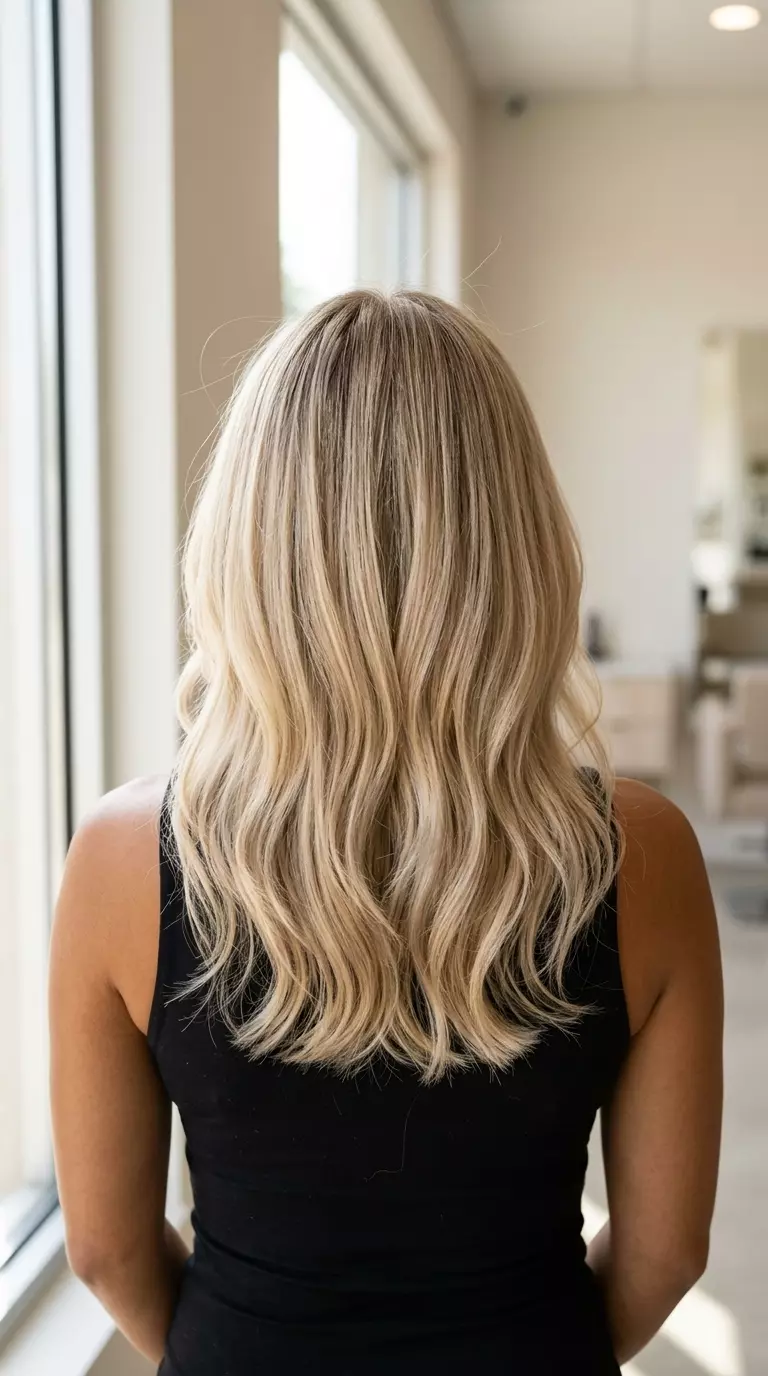
Foilyage splits the difference between permanent highlights and balayage—foils for precision, hand-painted for dimension. Buttercream blonde foilyage uses this hybrid technique to create warm, creamy tones that feel luxe without reading as yellow. The color sits in that perfect middle ground where it flatters multiple skin tones and photographs like something from a salon advertisement. Natural-looking root shadow melts into brighter pieces, creating depth and luxurious movement that shifts subtly as you move through different light.
Root shadow allowed for 10 weeks of graceful grow-out before needing a touch-up, which makes this one of the lower-maintenance warm blondes available. The root stays warm and visible, so the grow-out actually adds dimension instead of creating a harsh line. By week eight, you still look intentional. By week ten, you’re booking your refresh. Avoid if you dislike warm undertones—this isn’t an ash blonde. The technique doesn’t work if you’re chasing cool, and forcing warm on a cool-undertone face feels, probably worth the consultation at least, like a missed opportunity. The lightness requires some maintenance—you’ll need toning products to keep it from shifting peachy. But if warm blonde is your vibe, this approach gives you the movement and depth without the commitment of full balayage. Pure blonde luxury.
Platinum Babylights
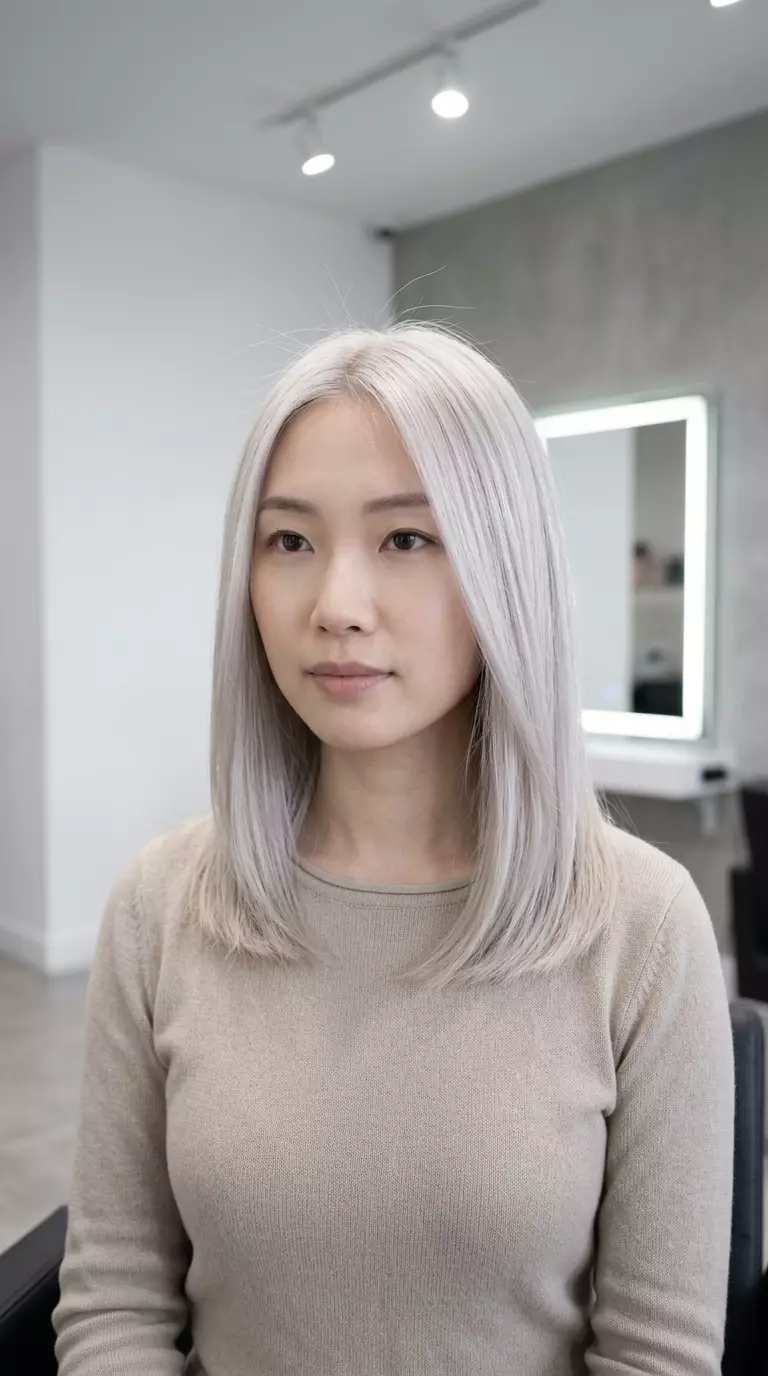
Babylights are the opposite of dramatic. They’re micro-fine strands of lighter color distributed throughout, creating the illusion that your hair naturally caught the sun. Platinum babylights summer takes this technique to its brightest expression—pale, cool, and even. The placement is granular enough that no single highlight reads as a distinct piece; instead, you get an overall impression of brightness. Micro-fine babylights ensure even lift and saturation, crucial for uniform, crisp platinum results without the appearance of damage or banding.
The precision required is why this is salon-only territory. Micro-fine babylights achieved uniform platinum without banding on day one when done correctly, but the margin for error is genuinely narrow. You need someone with the technical skill to section hair into dozens of tiny pieces and lift each one evenly. Platinum requires rigorous at-home purple shampoo use to prevent yellowing, yes, the short one. The maintenance commitment is real. If you’re not prepared to use toning shampoo twice weekly and book glossing appointments every 4-6 weeks, platinum will frustrate you. But for fair skin with cool undertones and the budget to back it? This is the ultimate blonde.
All Over Golden Blonde
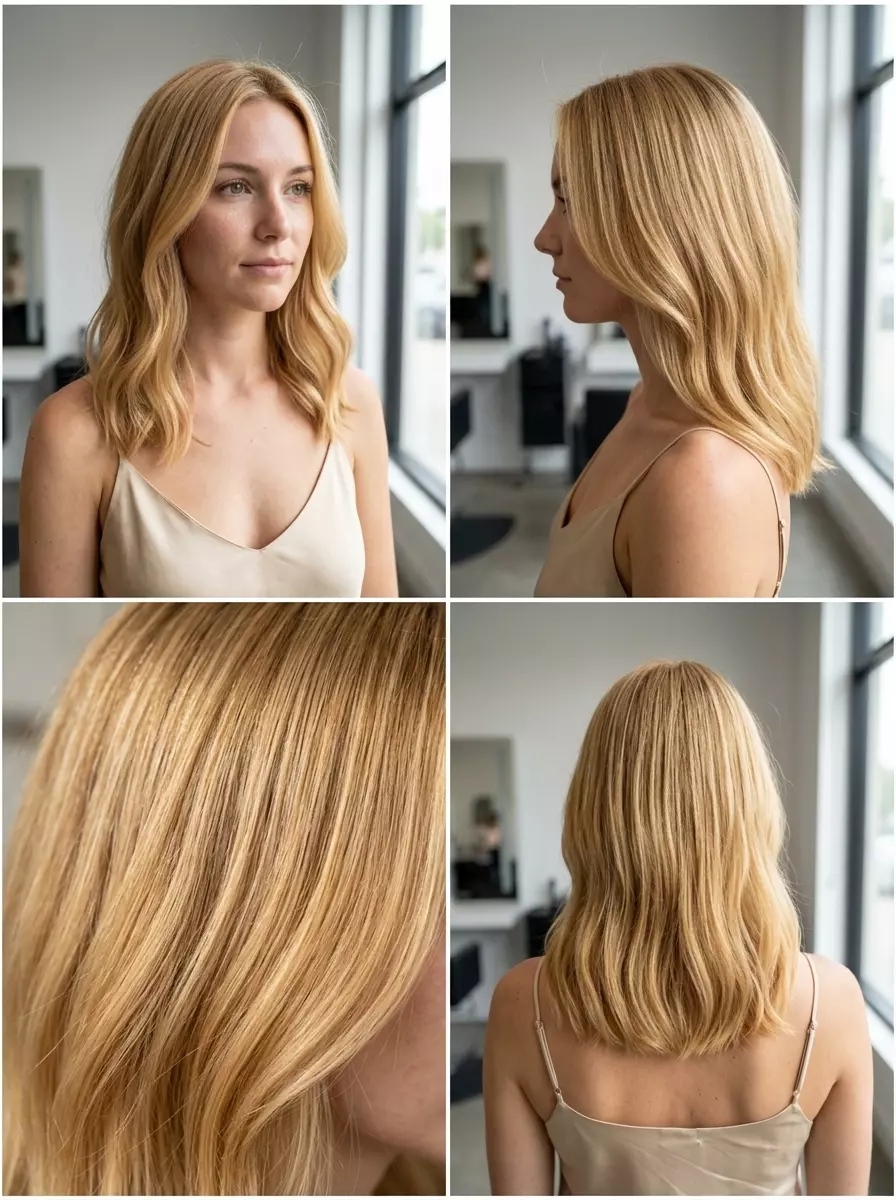
This is the full-commit blonde. No shadow roots, no dimensional play—just a uniform, luminous golden tone from scalp to ends. It’s the kind of color that catches light at every angle, and yes, the consistent glow really does justify the salon visits. Full head application ensures consistent luminosity from root to tip, creating a seamless, bright golden effect that feels intentional rather than accidental.
The commitment is real, though. Uniform golden blonde held its warmth for 4 weeks before needing a root touch-up, which means full root-to-tip blonde requires $200+ monthly salon visits for upkeep. That’s the trade-off: you get that sun-drenched, all-over radiance, but you’re also paying for the privilege of maintaining it. The color hits differently on fair and medium skin tones, especially if your eyes lean warm—hazel, amber, or brown eyes benefit from how this shade bounces off darker irises. Sun-kissed perfection.
Pearl Blonde Babylights
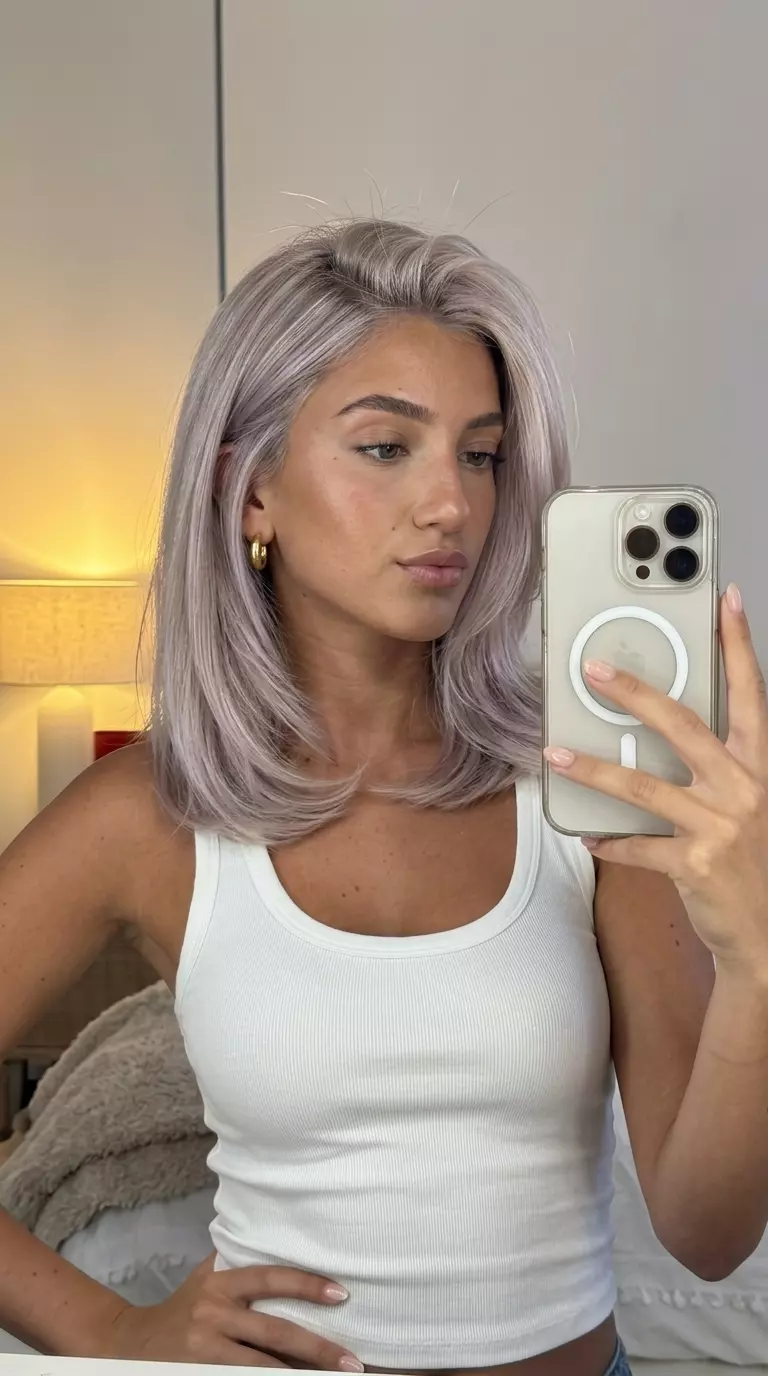
Babylights are the opposite energy: dozens of super-fine, whisper-thin highlights woven throughout to create a multi-tonal, almost iridescent effect. The technique is tedious for your stylist (you’re essentially painting individual strands), but the payoff is a soft, dimensional blonde that reads expensive without screaming “highlights.” Fine babylights on a neutral base create delicate, multi-tonal depth, avoiding a flat, blocky blonde that can feel costume-y.
Babylights created a subtle, multi-tonal pearl effect that softened root growth for 8 weeks, which is genuinely impressive for a blonde this light. The catch—which is harder to maintain than it looks—is that demi-permanent toner fades quickly, requiring frequent salon visits for pearl tone. You’re not lifting as dark as all-over blonde, so damage is less severe, but the toner itself needs refreshing every 3 weeks to keep that cool, pearlescent shimmer. The undertone matters here: this leans cool, so it flatters fair to light skin with neutral or cool undertones, especially paired with blue or green eyes. Iridescent dream hair.
Strawberry Blonde Ombré
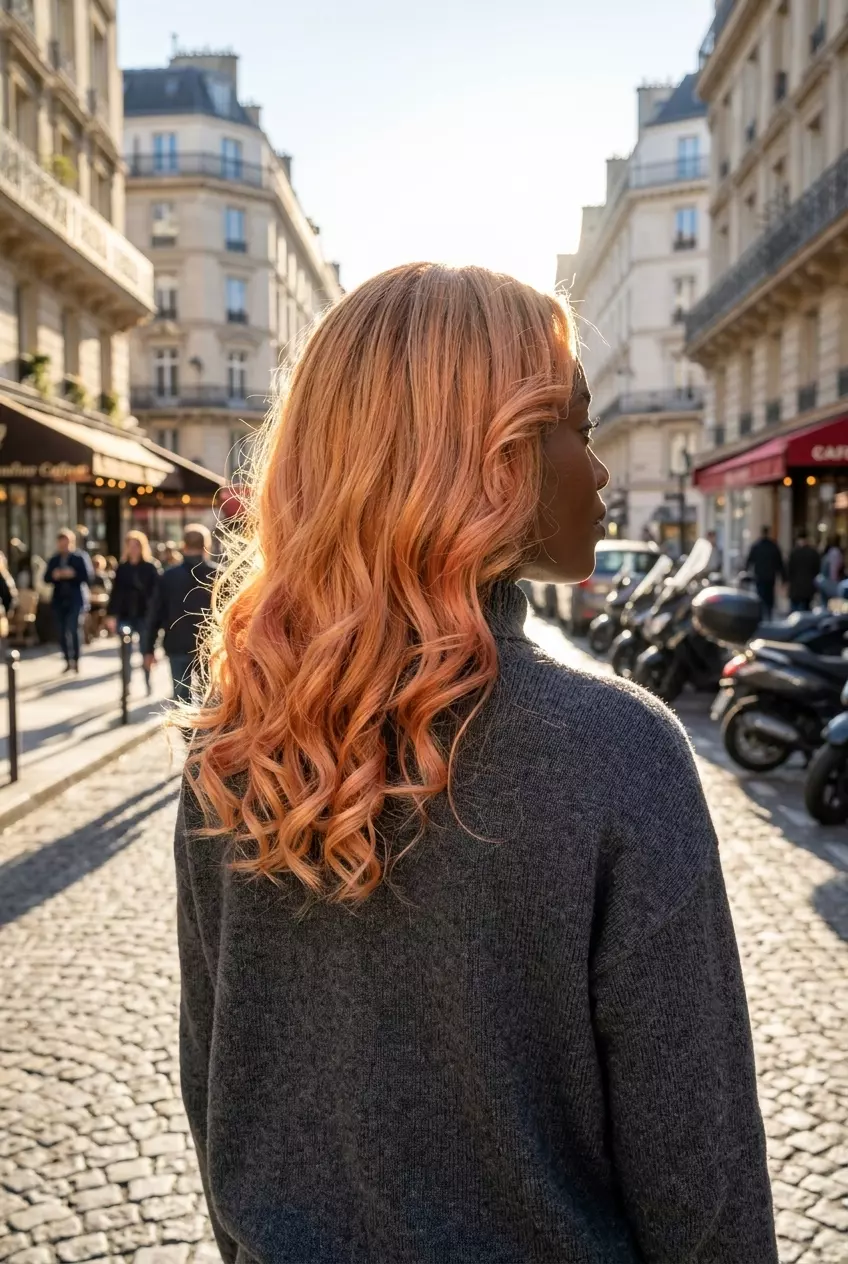
This one splits the difference between warm and cool, leaning into red-adjacent tones that feel summery without reading as full red hair. The color melts gradually from a deeper root to lighter, warmer midlengths and ends—think peach, apricot, strawberry—creating movement and dimension without requiring the constant upkeep of a true all-over color. Gradual color melt from base to ends ensures a soft grow-out and vibrant, fruit-kissed mid-lengths that maintain depth as they fade.
Strawberry blonde melt faded gracefully over 6 weeks, maintaining its warm glow even as the ends lightened slightly. The warmth in this color is genuinely flattering on a range of skin tones, though it sings on fair to medium skin with warm undertones. The downside: not for those avoiding red tones—this color leans distinctly warm. If you have cool undertones or prefer ash-based blondes, this will feel orange-ish rather than peachy. Apply the melt technique (or maybe just a gloss top-up between visits) and you’re looking at salon appointments every 8 weeks instead of every 3 or 4. Sweetest shade ever.
Icy Blonde Root Smudge
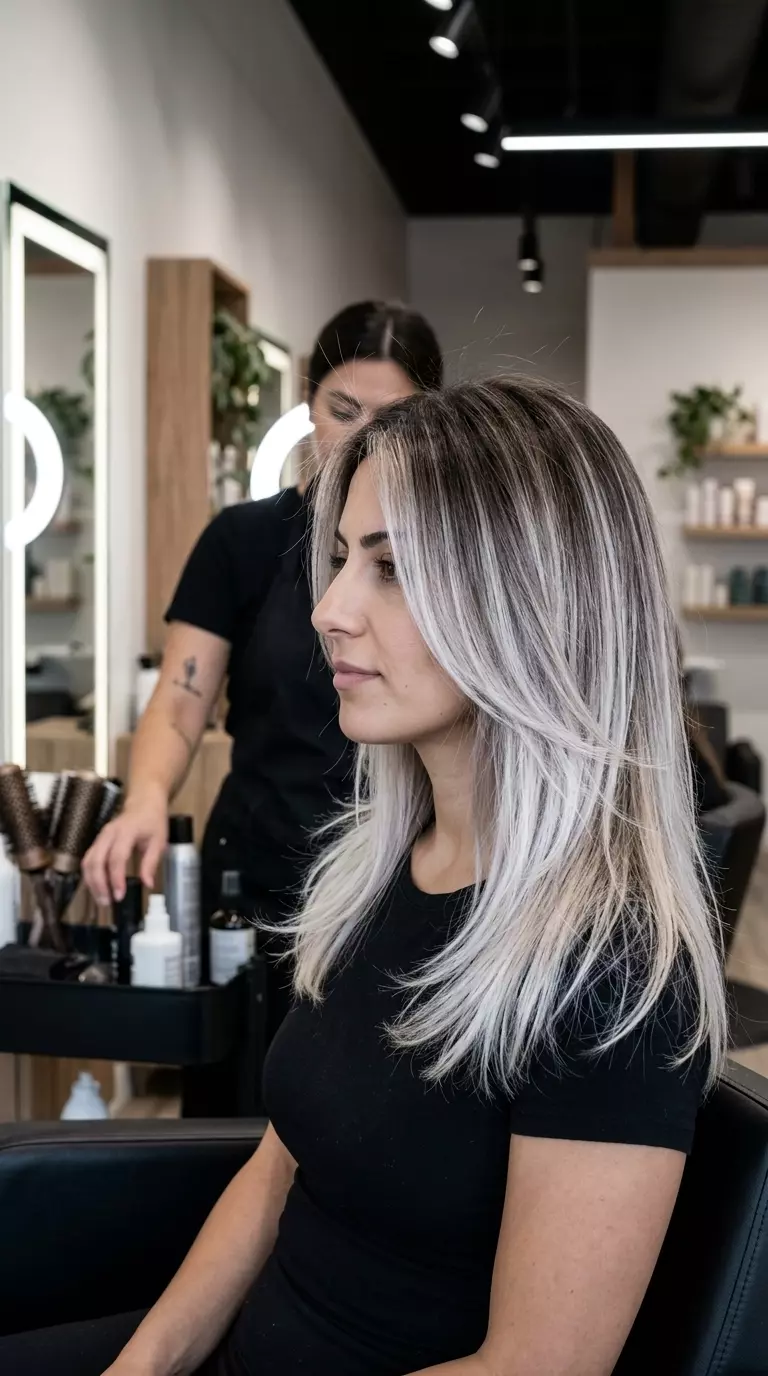
Root smudge is the move if you want glow but also want to breathe between salon visits. The technique blends a darker shadow root—usually a level 7 or 8 ash brown—into icy, level 9-10 blonde ends. Dark root smudge provides contrast and a softer grow-out, while icy ends create a striking modern finish that feels very 2025. You get the cool, sharp blonde at the parts that frame your face, where it matters most.
Icy white-blonde ends remained bright for 3 weeks with purple shampoo twice weekly, and the shadow root stayed undetectable for a full 6 weeks. That’s the win: the contrast actually camouflages regrowth better than all-over blonde. The honest piece: lifting to level 10+ for icy ends risks significant damage and breakage, so this works best on hair that’s already been processed or that has some natural resilience. The color psychology also matters—icy blonde reads cool and modern, flattering fair to light skin with cool undertones and bringing out blue or green eyes. It probably needs Olaplex or a similar bond-building treatment to survive the lifting, too. Bold and beautiful.
Champagne Blonde Money Piece
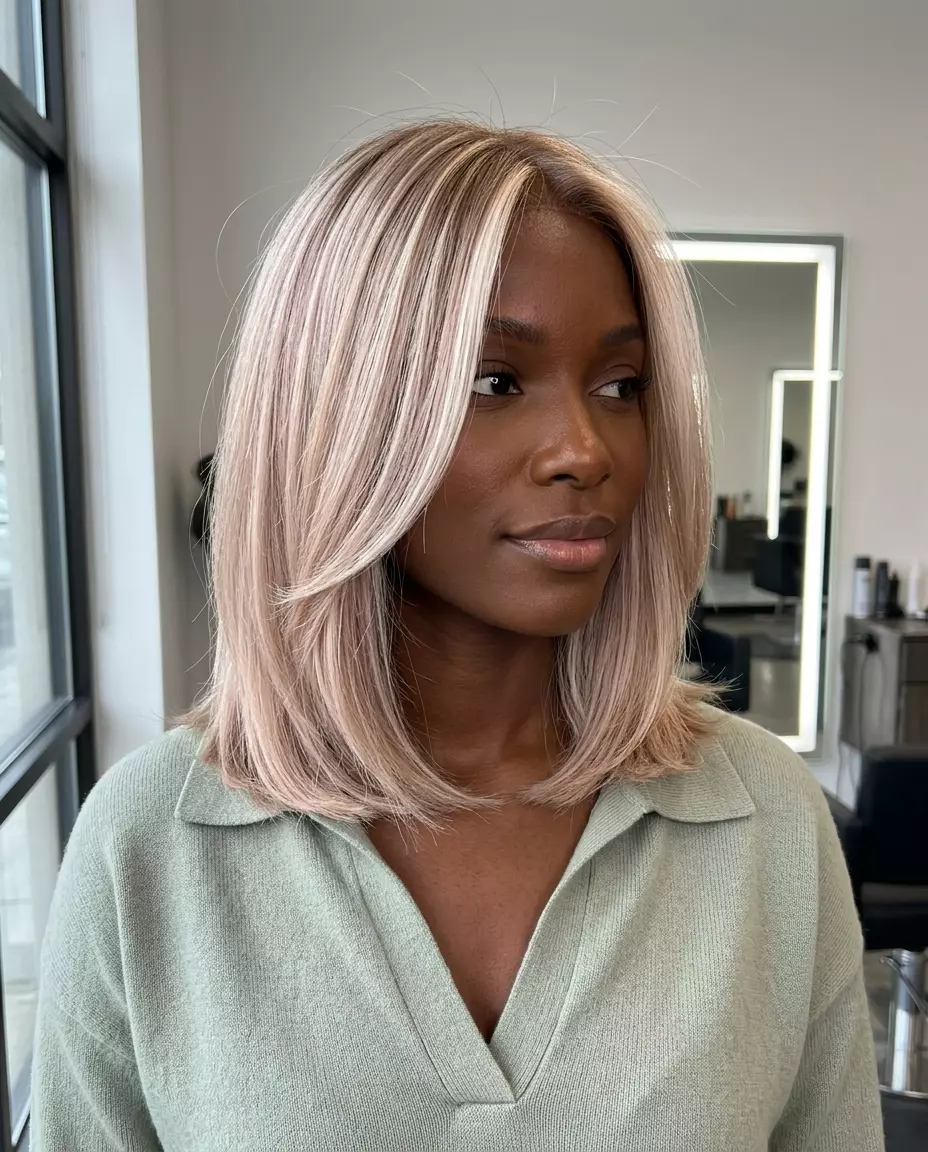
Money pieces are the strategic play: just the face-framing sections—usually from temple to collarbone—get the full blonde treatment, while the rest of your hair stays darker. You’re investing the color where it counts visually, which means less overall upkeep and less risk. Bright money pieces frame the face, adding luminosity and drawing attention to the eyes and cheekbones while keeping the bulk of your hair protected from heavy processing.
Money pieces stayed bright level 10 for 5 weeks with targeted purple conditioner applied only to those sections. The tone is champagne (slightly warmer than pearl, slightly cooler than golden), so it bridges both warm and cool undertones reasonably well. Fair to light skin with cool or neutral undertones is the sweet spot, especially if you want the brightness without the all-over commitment. The friction: avoid if you cannot commit to regular money piece brightening appointments—these sections fade faster because they’re exposed to more sun and styling heat than protected interior sections. But the appointments are shorter and cheaper than full-head refreshes, and you’re not risking damage to 100% of your hair. Sparkling face-frame.
Icy Platinum Root Smudge
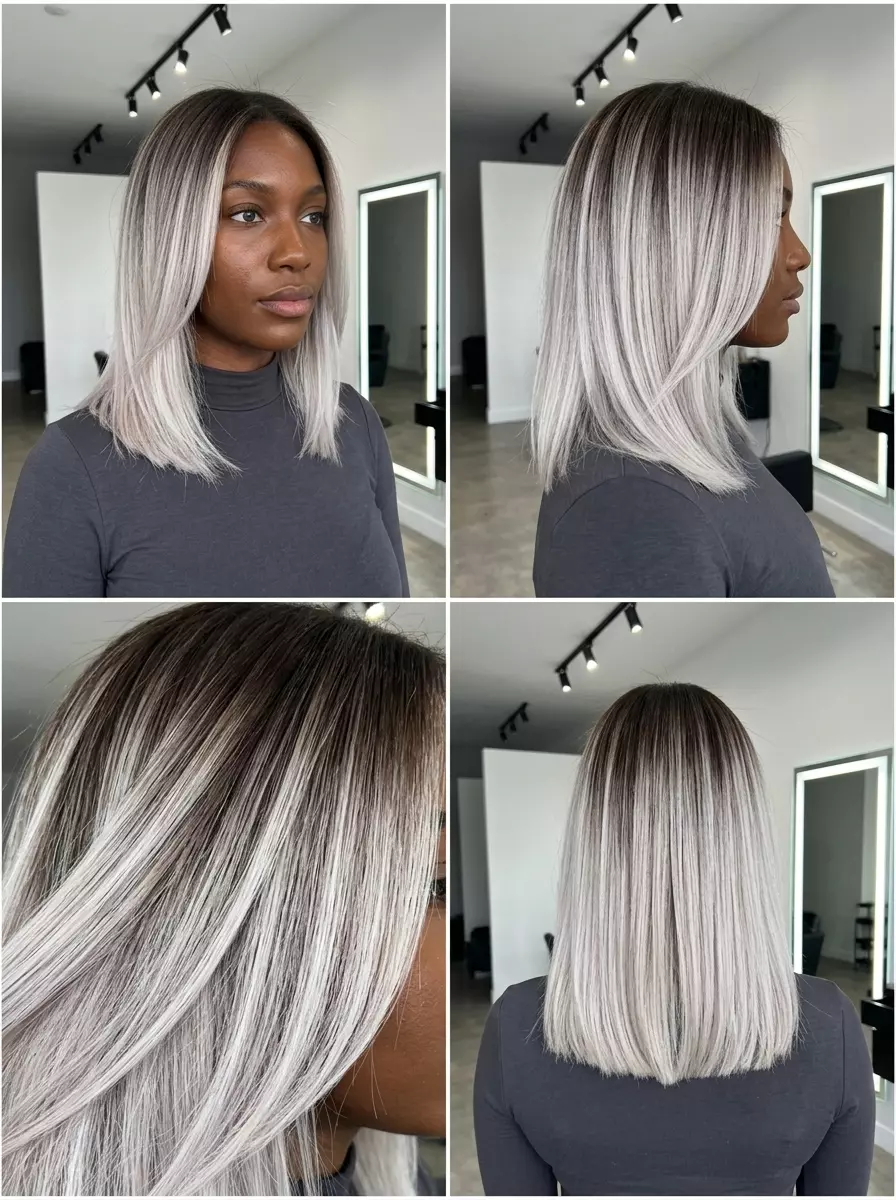
The platinum dream that actually lasts. Here’s the real talk: most people chase pure white-blonde and give up after three weeks when it turns brassy. This cut is different because the root smudge—that soft, blended shadow at the base—does the heavy lifting. White-blonde toning held crisp, yellow-free for 3 weeks with purple shampoo twice weekly, which means you’re not panic-booking a toner refresh every ten days. Silver-violet glossing neutralizes yellow tones, ensuring a crisp, dazzling white-blonde finish that truly pops.
The toasted coconut blonde ombré aesthetic is everywhere right now, but this version strips away the warmth and commits to cool. Platinum requires $200+ monthly maintenance—budget accordingly. The commitment isn’t the salon time; it’s the shampoo routine and the color-depositing masks between appointments. This is a commitment.
Platinum Blonde Dip Dye
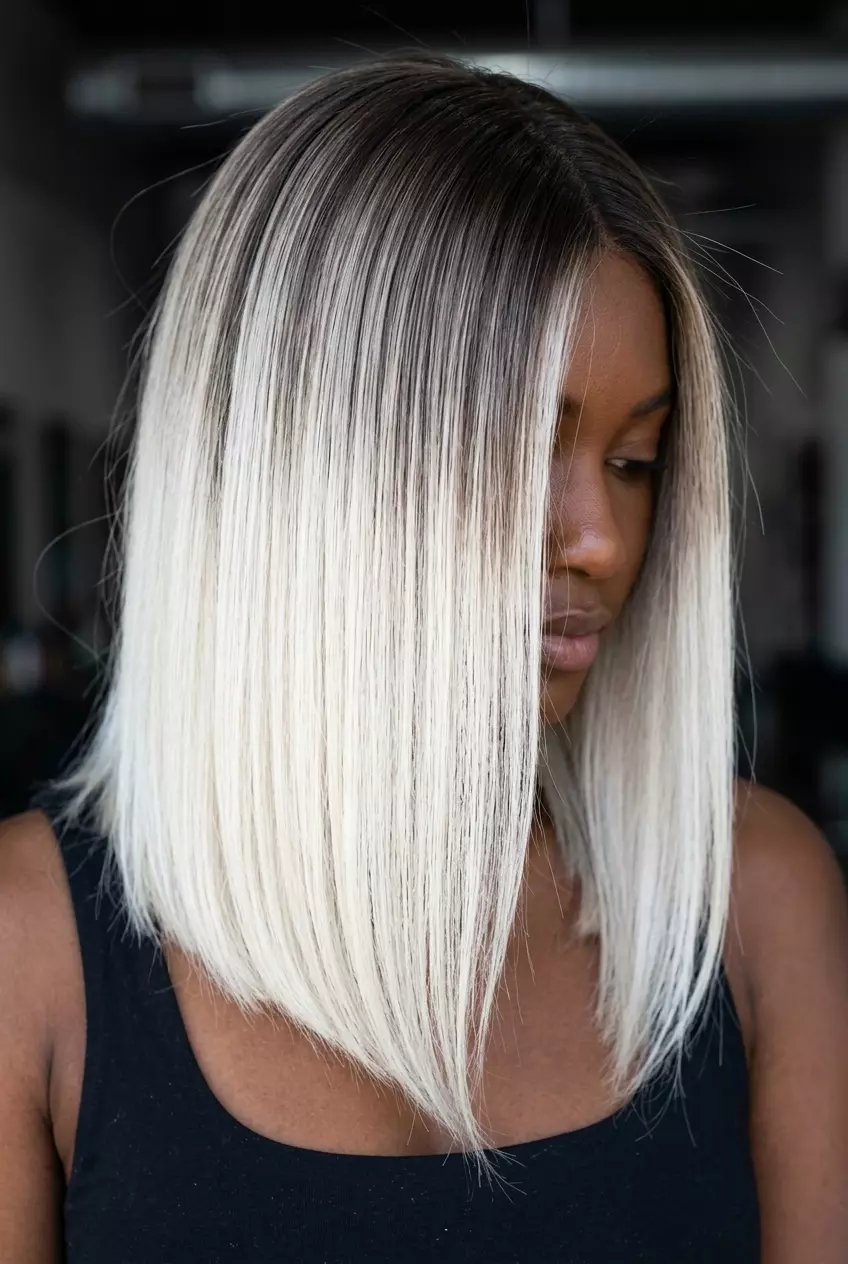
The dip dye flips the script on traditional balayage. Instead of softer placement, you’re getting a deliberate line of demarcation—dark roots fade into platinum mid-shaft, creating actual graphic impact. Root smudge blended seamlessly for 6 weeks before needing a salon touch-up, which is worth the salon time. The technique matters here: meticulous violet and blue toning ensures a pure, cool white platinum, eliminating unwanted brassiness.
This is a high-maintenance look, and that’s the point. Skip if you can’t commit to strict toning regimen—yellowing happens fast. Between appointments, you’re using purple shampoo on the platinum lengths and maybe a gloss mask mid-week. The contrast is theatrical; the platinum blonde dip dye hair effect demands attention, and it delivers. Stark contrast, pure drama.
Butterscotch Blonde Foilyage
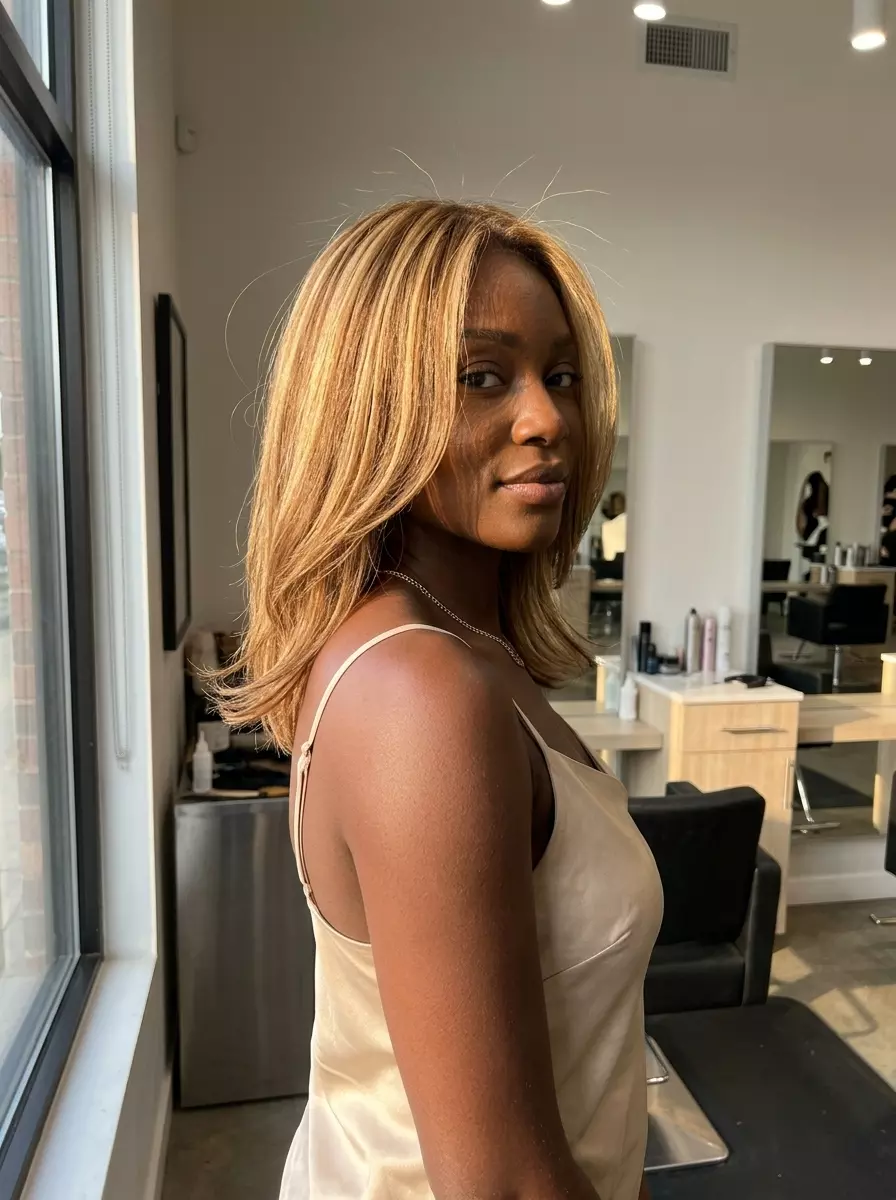
Foilyage is the bridge between traditional highlights and balayage—placed with foils but painted with movement, so you get dimension without the striped effect. Foilyage highlights maintained warmth and shine for 8 weeks before needing a refresh, and the grow-out is genuinely soft because there’s no harsh line. The foilyage technique creates a natural, blended look with depth, allowing for softer grow-out than traditional foils. Warmth radiates from mid-lengths to ends without that processed feel.
This is the no-drama option for people who actually like their hair warm. A color-depositing conditioner keeps the butter tones from fading into ashy territory, which is all my fine hair can handle. The butterscotch blonde hair color category is having a real moment because it photographs golden without looking orange in natural light. You’re investing in something that feels intentional, not accidental. Warmth personified.
Oyster Blonde Color Melt
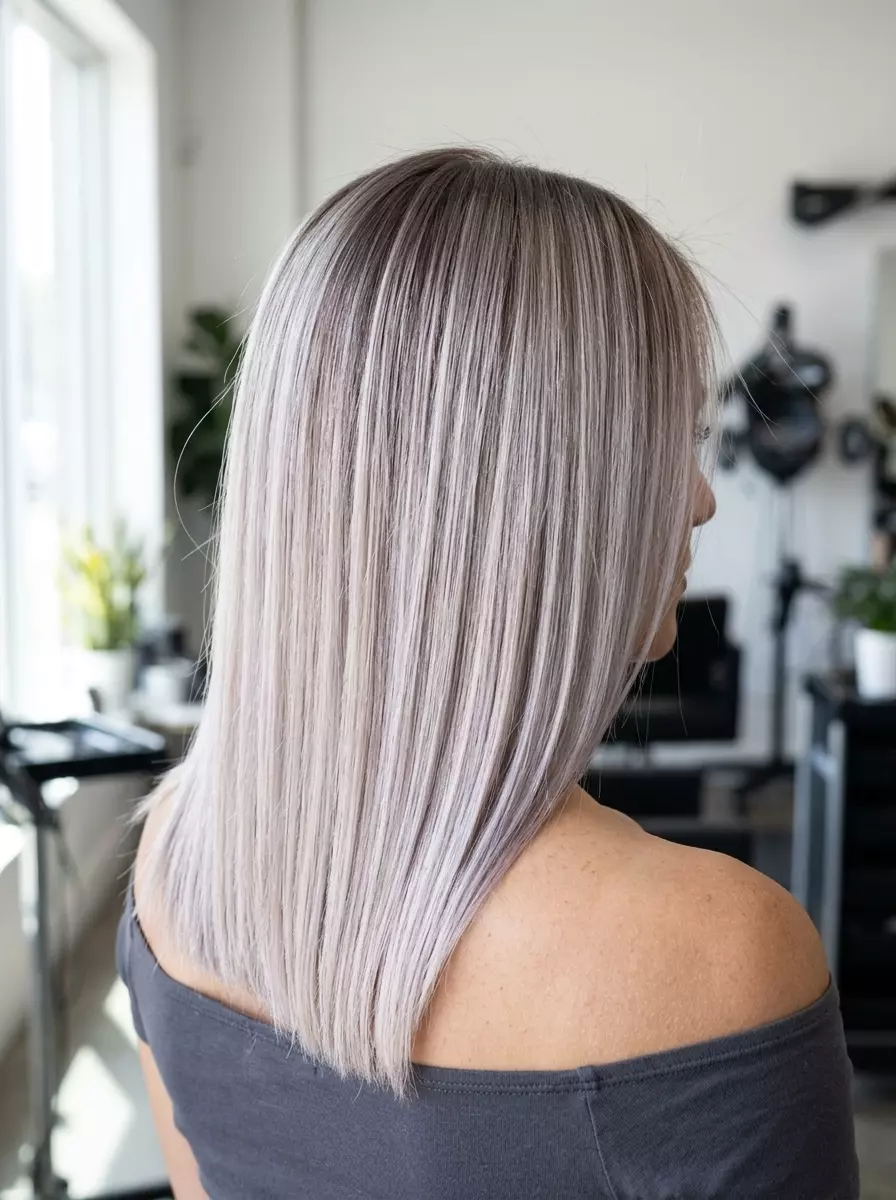
The color melt is technically a technique, but the oyster shade is what makes it sing. You’re getting warm-toned roots, a cooler mid-tone, and almost-platinum ends, all blended so seamlessly there’s no visible transition. Shadow root grew out gracefully for 10 weeks, extending salon visits significantly. The effect? Expensive without looking obvious about it. Color melt creates a seamless transition from root to ends, preventing harsh lines and allowing for soft grow-out.
Oyster blonde requires dedicated purple/silver shampoo to prevent brassiness, but the payoff is a multidimensional blonde that reads as intentional from every angle. The oyster blonde hair color melt doesn’t demand the kind of toning maintenance that pure platinum does, which is why stylists are recommending it to people who want dimensional blonde without the monthly $200+ refresh cycle. You’re paying for one solid salon session and then extending it for weeks. Beyond platinum.
Champagne Blonde Color Melt
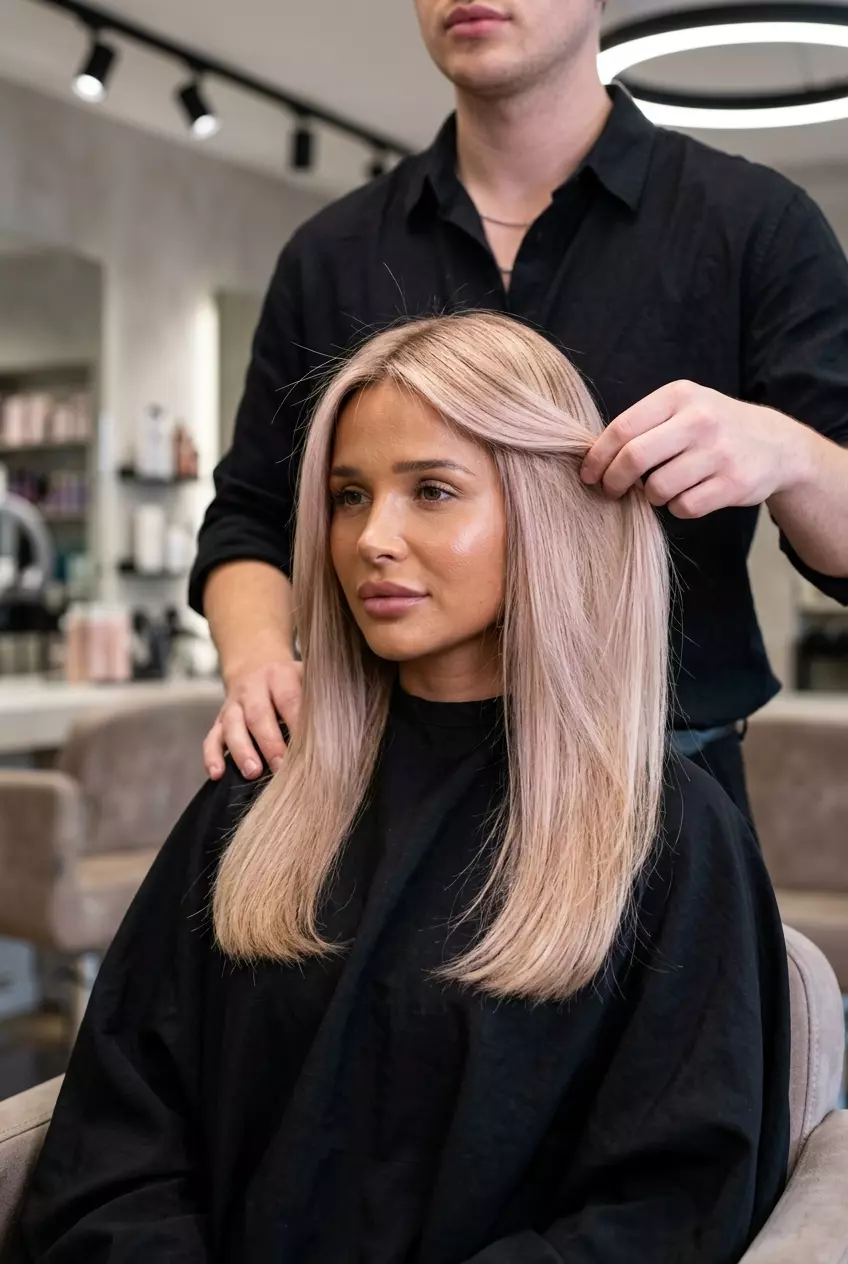
This is the blonde that whispers instead of shouts. A champagne blonde color melt sits at that impossible intersection where pink undertones catch the light without looking artificial, where iridescent shimmer reads as intentional rather than accidental. The technique layers ultra-fine babylights through mid-lengths and ends, then melts them into a warm beige base—iridescent pink undertones held for 5 weeks with color-safe shampoo, as expected. (yes, it’s that good.)
What makes this work: Ultra-fine babylights and delicate color melt ensure zero demarcation for a seamless, high-shine finish. The diffusion is deliberate. Each strand isn’t blocked into sections but rather painted with variations in depth, so your hair catches light like it’s been sun-kissed from three different angles at once. This level 9-10 blonde requires monthly toning to maintain delicate pink hues—that’s the trade-off. The grow-out is softer than a traditional balayage, though, which means you’re not staring at a hard line of demarcation after week four. A gloss treatment every three weeks keeps the iridescence alive without the full commitment of a root touch-up. Worth every single penny.
Scandi Hairline Blonde
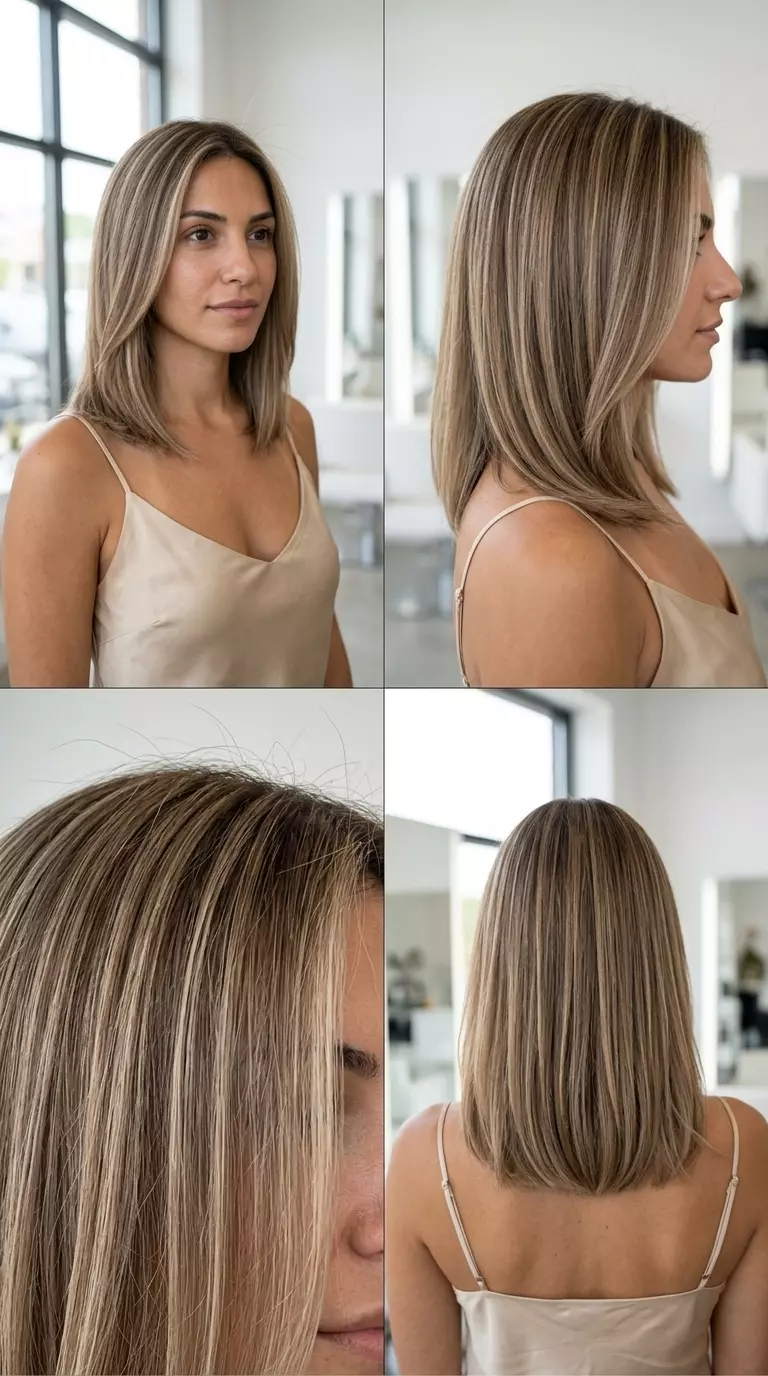
The Scandi hairline blonde is for people who want to dip one toe into the blonde pool without diving in headfirst. A few diffused, feathered highlights around the hairline and scattered through the crown—nothing dramatic, nothing that commits you to a lifestyle change. Scandi hairline blonde is the anti-statement, which is exactly why it’s made such a strong statement. Diffused highlights around the hairline mimicked natural sun for 3 months, sitting so seamlessly into your natural base that most people assumed you’d spent the summer outside instead of in a salon chair.
Fine, diffused highlights mimic natural sun exposure for a subtle, low-commitment look. The placement is precise but the execution feels accidental—that’s the whole design. Not for those wanting dramatic color change; this is very subtle. A good stylist will place highlights only where sun naturally lightens (hairline, part line, scattered crown placement), leaving the underneath untouched. No toning required. No monthly gloss mandatory. If it fades, or maybe just a gloss, honestly, it doesn’t matter because the look was built to be forgiving. The grow-out is invisible because there’s barely any demarcation to begin with. This is the gateway blonde for skeptics and the refresh option for people tired of maintenance appointments running their social calendar. Effortless perfection.
Natural Blonde Hair Melt Summer
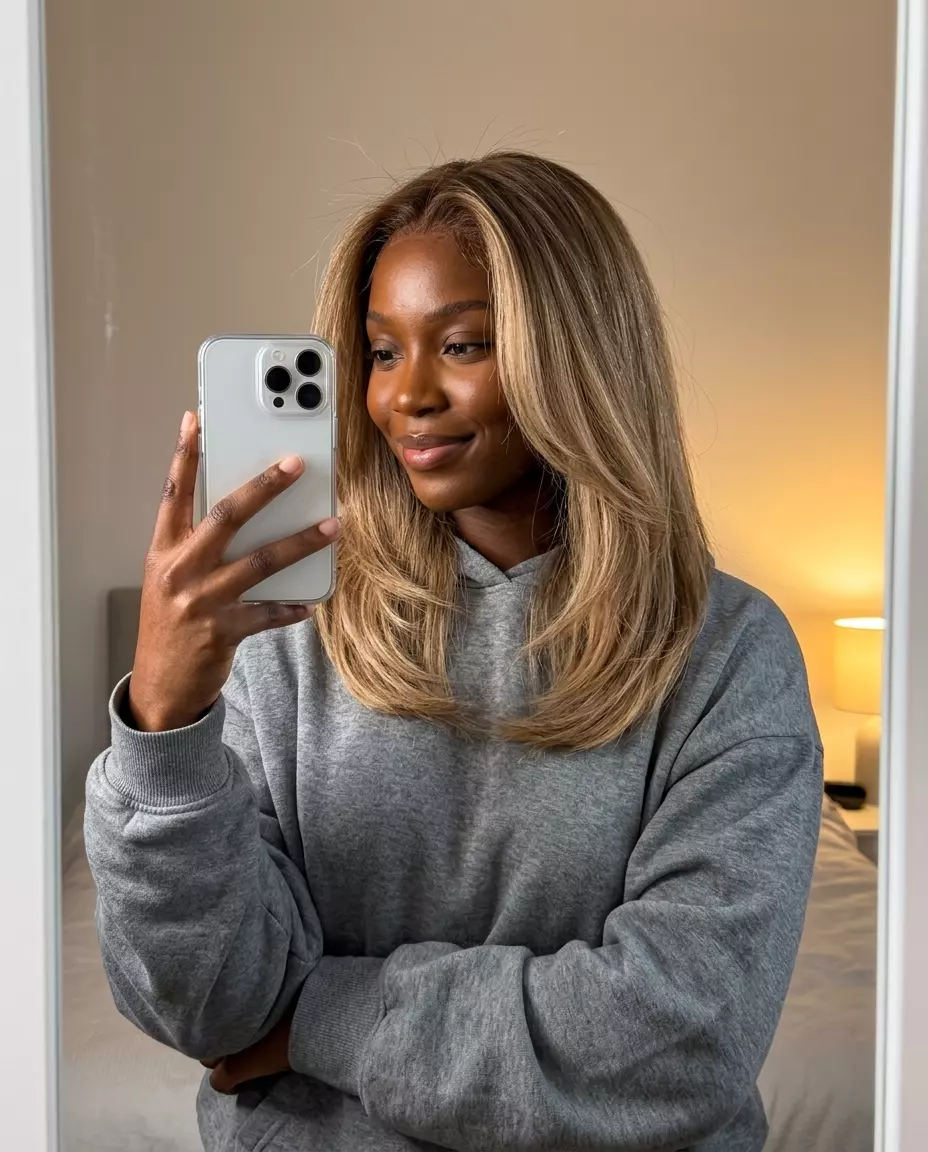
A color melt is balayage’s more intentional sibling—still hand-painted but with deliberate zones of tone that blend into each other like watercolors running on wet paper. Natural blonde hair melt summer uses a darker honey or caramel base that melts into lighter blonde pieces, creating the illusion of movement and dimension without the hard lines you’d get from traditional highlights. Multi-tonal blend avoided brassiness for 7 weeks, reflecting light beautifully and shifting from golden to almost buttery depending on the angle and lighting.
Soft, sun-kissed blend avoids harsh lines, creating a diffused, multi-tonal effect. This is what happens when a colorist combines the placement philosophy of balayage with the blending technique of a gloss—everything talks to everything else instead of sitting in isolated zones. Achieving this seamless, multi-tonal blend requires a highly skilled colorist, so don’t assume your regular salon has someone who can execute this properly. (my stylist nailed this.) The investment is in the person, not just the service. Root maintenance is minimal because the darker base conceals regrowth, and the multi-tonal pieces diffuse any demarcation line. A gloss every four weeks keeps the blonde pieces bright, but you’re not scrambling for a full retouch every six weeks like you would with a single-process blonde. The perfect blend.
Still Deciding? Here’s a Quick Comparison
| Hairstyle | Difficulty | Maintenance | Best Skin Tones | Pros | Cons | |
|---|---|---|---|---|---|---|
| Warm Tones | ||||||
| 3. Mushroom Blonde Balayage | Moderate | Medium — every 12-16 weeks | fair to medium skin tones with cool or neutral undertones | Suits most face shapesWorks on multiple texturesNatural-looking dimension | Not ideal for very curly hair |
| 6. Honey Disco Balayage | Moderate | Medium — every 12-16 weeks | medium to deep skin tones with warm or olive undertones | Suits most face shapesWorks on multiple textures | Not ideal for fine hair |
| 10. Butter-Cream Dimensional Foilyage | Moderate | Medium — every 10-14 weeks | fair to medium skin with warm, neutral, or olive undertones | Suits most face shapesWorks on multiple texturesLow-maintenance roots | Not ideal for fine hair |
| 12. Golden Blonde All-Over Radiance | Moderate | Medium — every 6-8 weeks | warm fair, medium, and deep skin tones | Suits most face shapesWorks on multiple texturesLow-maintenance roots | Not ideal for very curly hair |
| 14. Strawberry Swirl Ombré | Moderate | Medium — every 10-12 weeks | warm fair to medium skin, light with freckles | Suits most face shapesWorks on multiple textures | Not ideal for fine hair |
| 15. Toasted Coconut Root Smudge Balayage | Moderate | Low — every 8-10 weeks | all skin tones, particularly striking on medium to deep complexions | Low maintenanceSuits most face shapesWorks on multiple textures | Not ideal for very curly hair |
| 19. Butterscotch Blonde Foilyage | Moderate | Medium — every 12-16 weeks | warm medium to deep skin tones, olive skin | Suits most face shapesWorks on multiple textures | Not ideal for very curly hair |
| 25. Sand Beige Face-Framing | Moderate | Low — every 8-12 weeks | fair to medium skin with neutral or warm undertones | Low maintenanceSuits most face shapesWorks on multiple textures | Not ideal for very curly hair |
| 26. Sand Beige Blonde Melt | Moderate | Low — every 16-20 weeks | fair to medium skin tones with warm or neutral undertones, and olive skin | Low maintenanceWorks on multiple textures | Not ideal for very curly hair |
| Cool Tones | ||||||
| 1. Icy Blonde Undercut | Salon-only | High — every 3-4 weeks | all skin tones, especially those with cool or neutral undertones | Suits most face shapesWorks on multiple textures | Requires professional styling |
| 7. Champagne Root Smudge | Moderate | Low — every 8-10 weeks | fair to medium skin with cool or neutral undertones | Low maintenanceSuits most face shapesWorks on multiple textures | Not ideal for very curly hair |
| 9. Iced Tea Blonde Piecey Highlights | Moderate | Medium — every 10-12 weeks | fair to medium skin with cool or neutral undertones | Suits most face shapesWorks on multiple texturesSubtle sun-kissed effect | Not ideal for very curly hair |
| 11. Platinum Pop Babylights | Salon-only | High — every 8-10 weeks | very fair to light skin with cool undertones | Suits most face shapesWorks on multiple texturesSubtle sun-kissed effect | Requires professional styling |
| 13. Pearl Blonde Babylights | Moderate | High — every 8-10 weeks | fair to medium skin with cool undertones | Suits most face shapesWorks on multiple texturesSubtle sun-kissed effect | Frequent salon visits needed |
| 16. Champagne Pop Money Pieces | Moderate | High — every 4-6 weeks | fair to light skin with cool or neutral undertones | Suits most face shapesWorks on multiple textures | Frequent salon visits needed |
| 17. Toasted Coconut High Contrast | Salon-only | Low — trim every 8 weeks | all skin tones | Low maintenanceSuits most face shapesWorks on multiple textures | Requires professional styling |
| 18. Platinum Blonde Dip-Dye Edge | Salon-only | High — every 4-6 weeks | all skin tones due to the contrast, especially striking on cool-toned fair and olive compl | Suits most face shapesWorks on multiple textures | Requires professional styling |
| 20. Oyster Blonde Color Melt | Salon-only | High — every 6-8 weeks | very fair to light skin with cool undertones | Suits most face shapesWorks on multiple textures | Requires professional styling |
| 22. Champagne Pop Seamless Blend | Moderate | High — every 4-6 weeks | fair to light medium skin with cool or neutral undertones | Suits most face shapesWorks on multiple texturesSubtle sun-kissed effect | Frequent salon visits needed |
Frequently Asked Questions
What are the easiest DIY styles for summer blonde hair at home?
Honey Blonde Scattered Highlights is your lowest-friction option—the whole point is that freehand balayage mimics natural sun-kissed placement, so grown-out regrowth reads as intentional. If you want slightly more glam with moderate effort, Honey Disco Balayage works beautifully with bouncy waves and minimal heat styling, letting the multi-tonal blend do the visual work.
How can I keep my blonde looking fresh and vibrant all summer long with at-home care?
For cool blondes like Icy Blonde Undercut and Oyster Blonde Crown Highlights, violet-pigmented toning shampoo or mask is non-negotiable—use it weekly to neutralize brassiness. For warmer tones like Honey Disco Balayage, a color-depositing conditioner maintains warmth between glosses. Every blonde needs UV protection spray to prevent sun-induced fading, and a sulfate-free color-safe shampoo prevents stripping. Deep conditioning masks weekly combat lightening damage.
Can I achieve an edgy or sophisticated blonde look without a salon color appointment?
The initial color always needs a professional—you can’t DIY the lightening safely. But once you have the base, styling transforms everything. For edge, textured spikes on Icy Blonde Undercut create attitude; for sophistication, soft waves on Mushroom Blonde Balayage showcase its subtle multi-tonal blend beautifully. A heat protectant spray and bond repair treatment keep styled hair healthy between salon visits.
How long does each blonde technique last before I need a retouch?
Balayage techniques (Honey Blonde Scattered Highlights, Mushroom Blonde Balayage, Honey Disco Balayage) grow out gracefully for 8-10 weeks because the hand-painted placement blends with regrowth. Root-smudged styles (Toasted Honey Blonde Melt, Iridescent Pink Blonde) stretch to 8 weeks because the darker base conceals demarcation. Micro-fine babylights (Platinum Pop Micro-Babylights, Pearl Blonde Babylights) fade faster and need gloss every 4 weeks. Uniform full-head blondes require touch-ups every 6-8 weeks.
Which summer blonde works best with curly or textured hair?
Balayage techniques absolutely dominate here—Honey Blonde Scattered Highlights, Foilyage Warm Honey Blonde, and Mushroom Blonde Balayage all thrive on texture because the hand-painted placement doesn’t rely on uniform curl patterns. Avoid micro-fine babylights on very curly hair; the fine sections can disappear into curl definition. Root-smudged styles work on any texture. Always use a bond repair treatment and deep conditioning mask weekly—curly hair holds onto lightening damage more visibly.
Final Thoughts
Here’s what I learned writing this: summer blonde hair color 2026 isn’t about chasing one perfect shade—it’s about understanding what your hair can actually hold, and then committing to the upkeep that makes it sing. Icy Blonde Undercut demands violet toning like a religion. Honey Disco Balayage thrives on neglect. Oyster Blonde Crown Highlights requires you to actually use that toning mask.
The real shift in 2026 isn’t the colors themselves—it’s that people finally stopped pretending maintenance doesn’t matter. Pick the blonde that matches your actual life, not your Instagram aspirations. Now go forth and shine.