
The viral ‘Hydro-Bob’ and ‘Scandi-Slick’ are everywhere because they actually survive 90+ degree humidity—unlike your regular styles that surrender by noon. These hot day hairstyles summer 2026 range from the Italian Bob you can air-dry in five minutes to the Butterfly Cut that looks expensive without the sweat damage.
The Syrup Brunette High Ponytail
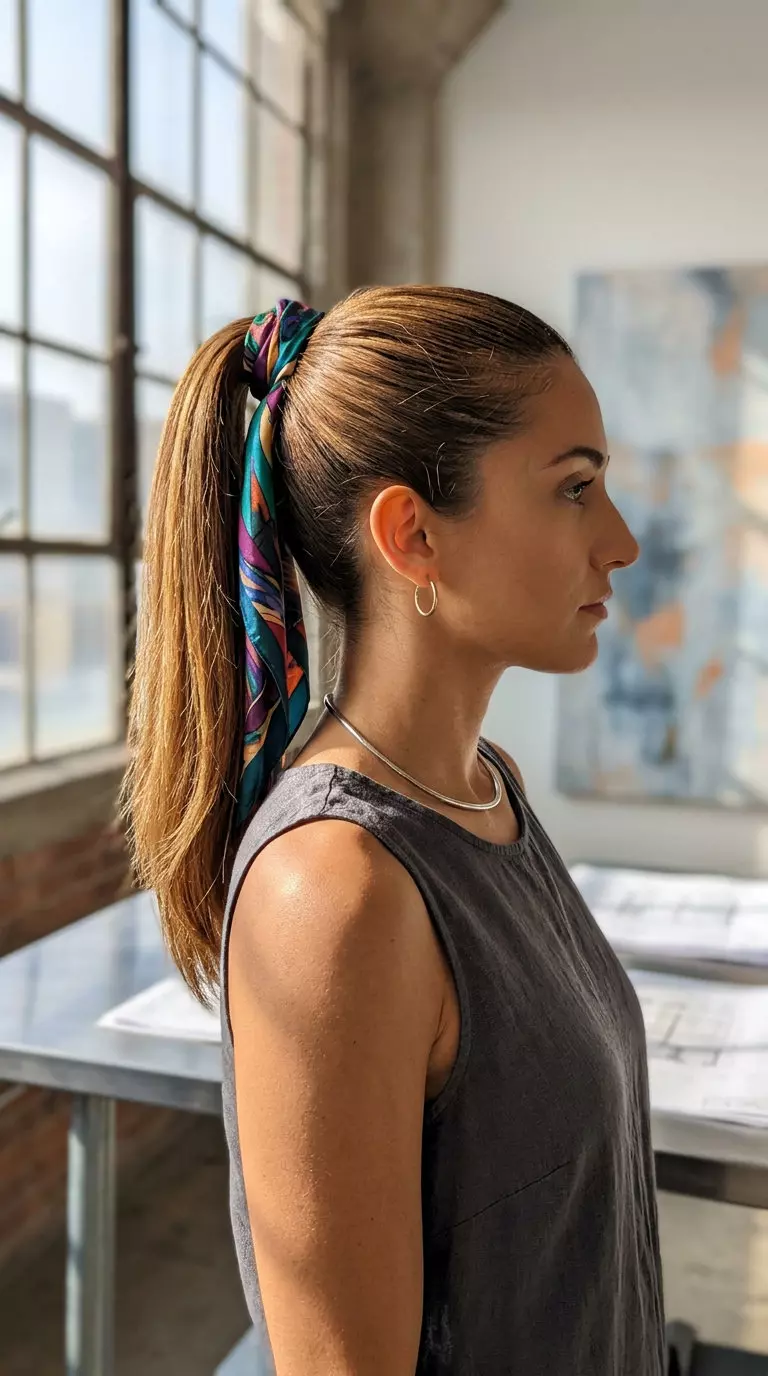
A sleek high ponytail tutorial starts with damp hair and a paddle brush. Brush straight back from your forehead, then twist the sections around your fingers as you gather them higher—this prevents the lumps that happen when you just pull. Once secured at the crown, wet a fine-tooth comb with a smoothing cream and comb through the front hairline twice. The trick is finishing with a silk scarf tied loosely around the base; it flattens flyaways without creating a crease. Syrup brunette color holds this look best because the depth hides regrowth for weeks.
The Claw Clip Twist for the Office
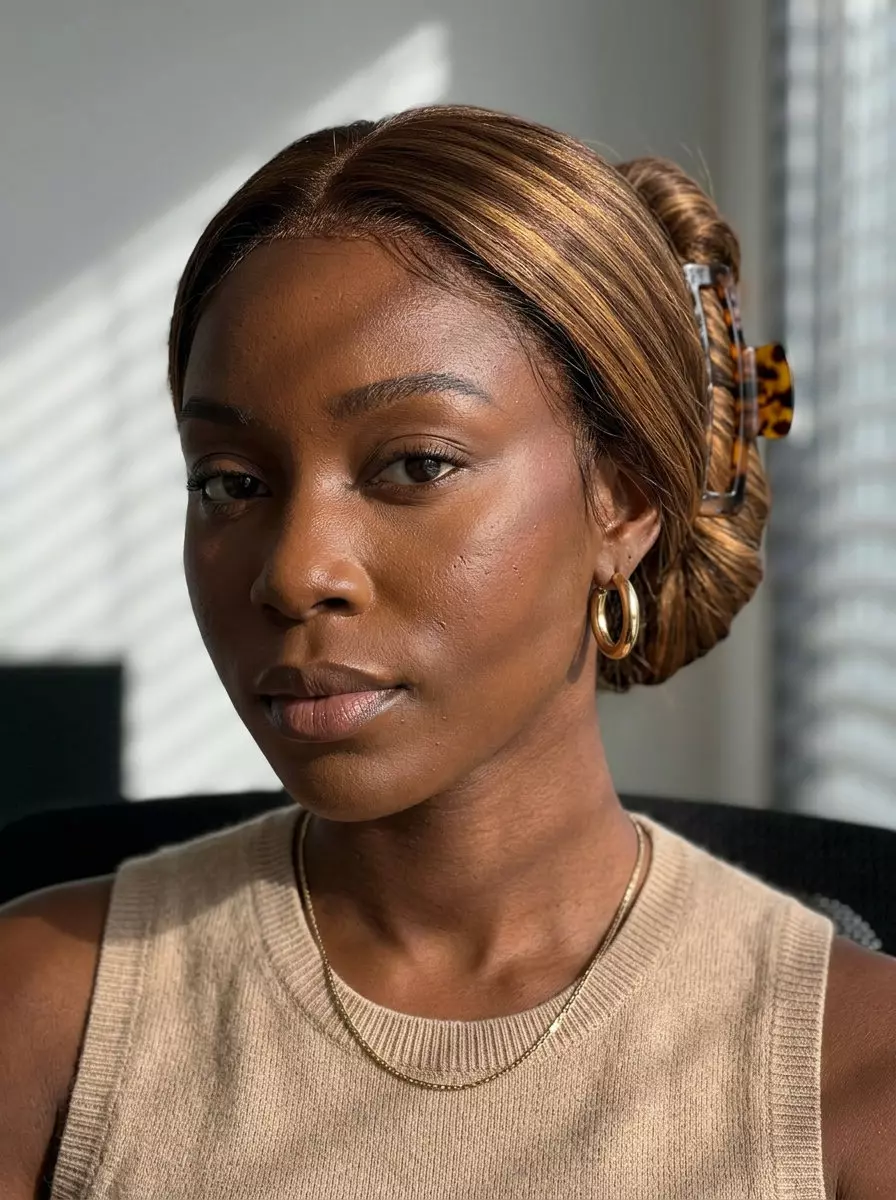
Claw clip hairstyles for work thrive on second-day hair—day-fresh hair is too slippery to grip. Flip your head forward, gather the back section loosely, then flip back upright and clip. For the front twist: take a two-inch section from one temple, twist it loosely three times, and secure it with a small claw clip just behind the crown. The loose twist reads as intentional without looking like you tried too hard, which is the entire goal of quiet morning professionalism. Most people redo the front section after lunch—it takes two minutes and resets the whole impression.
The Beach Wave Lob
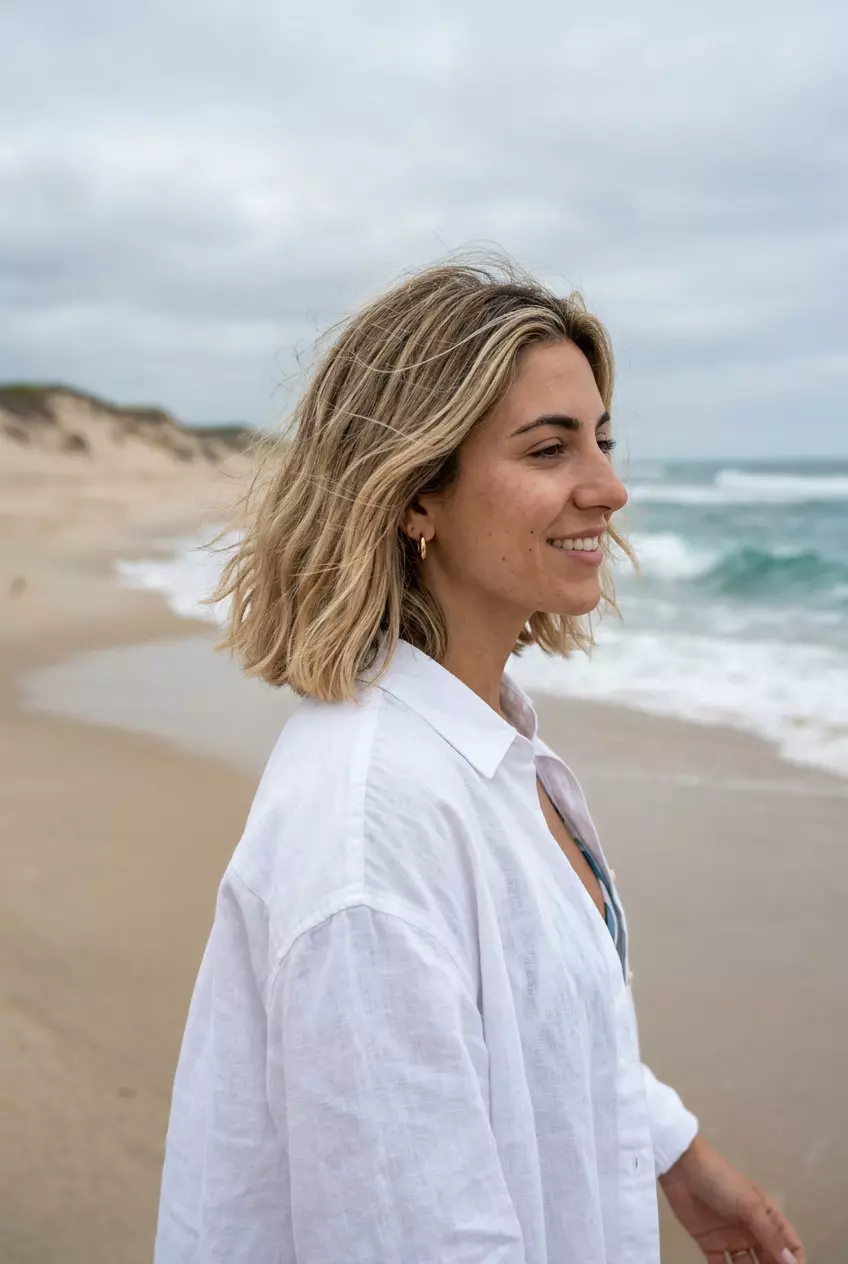
Start with damp hair and work a salt spray through mid-lengths to ends. Blow dry with your head tilted—use the round brush only on the roots; for the rest, let air do the work with your fingers. A diffuser attachment speeds this up if you’re impatient. Once dry, run a 1.25-inch curling wand through sections of the mid-length and ends, curling away from the face, then run your fingers through to loosen the waves the instant they cool. Collarbone length wavy hair like this needs a trim every 8-10 weeks because the waviness hides split ends until they’re past fixing.
The Textured Shag with Apricot Crush
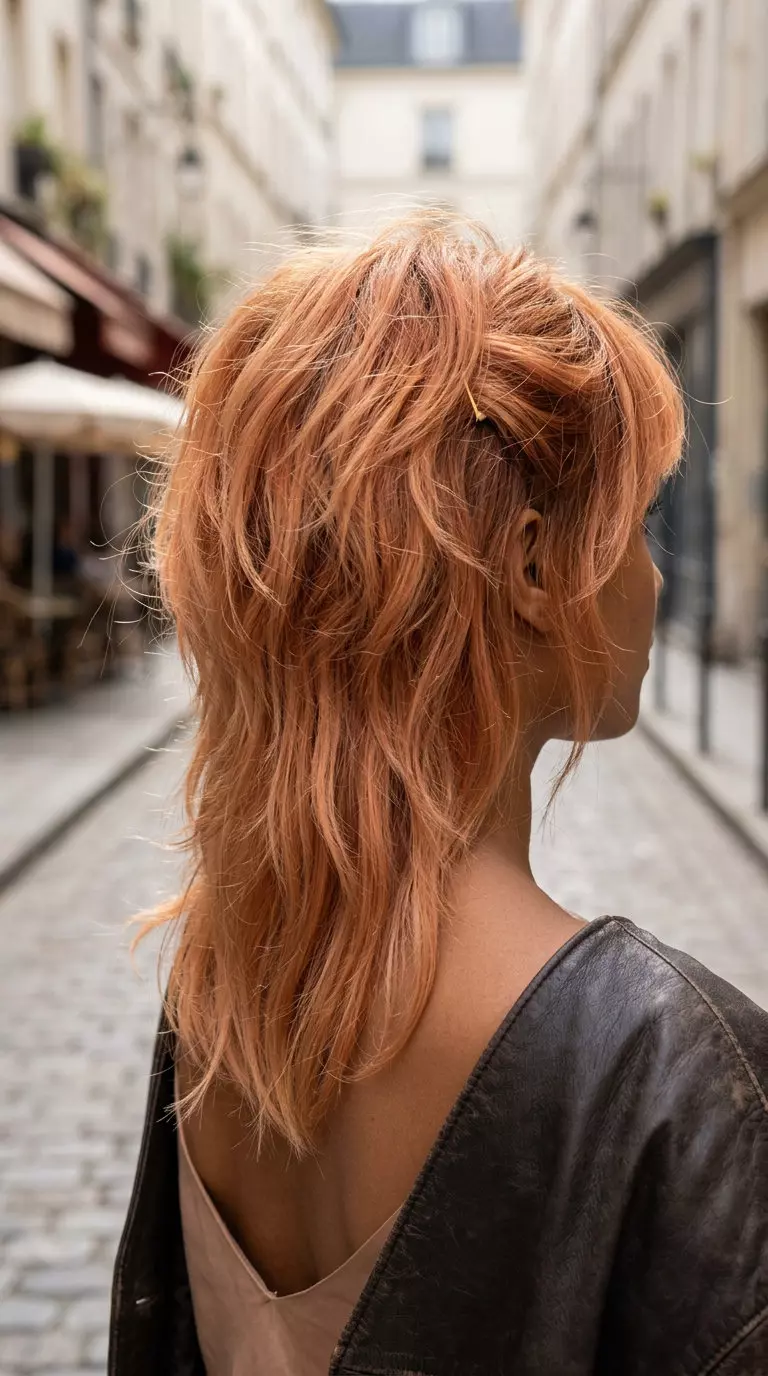
A razor cut shag with bangs requires actual shears skills—this is the one style where DIY fails spectacularly and you see it immediately. The bangs need to sit at eye level but feather upward; the layers need to start at cheekbones and choppy down the back. What makes it work for summer heat is that the internal choppy texture creates air pockets instead of a solid mass of hair that sticks to your neck. Apricot crush color vibrates against shag texture because the tone is warm enough to read as intentional, not brassy. The maintenance is real—you’ll retrim the bangs every 4-5 weeks once the natural curl starts to take over.
The Slicked-Back Italian Bob Knot
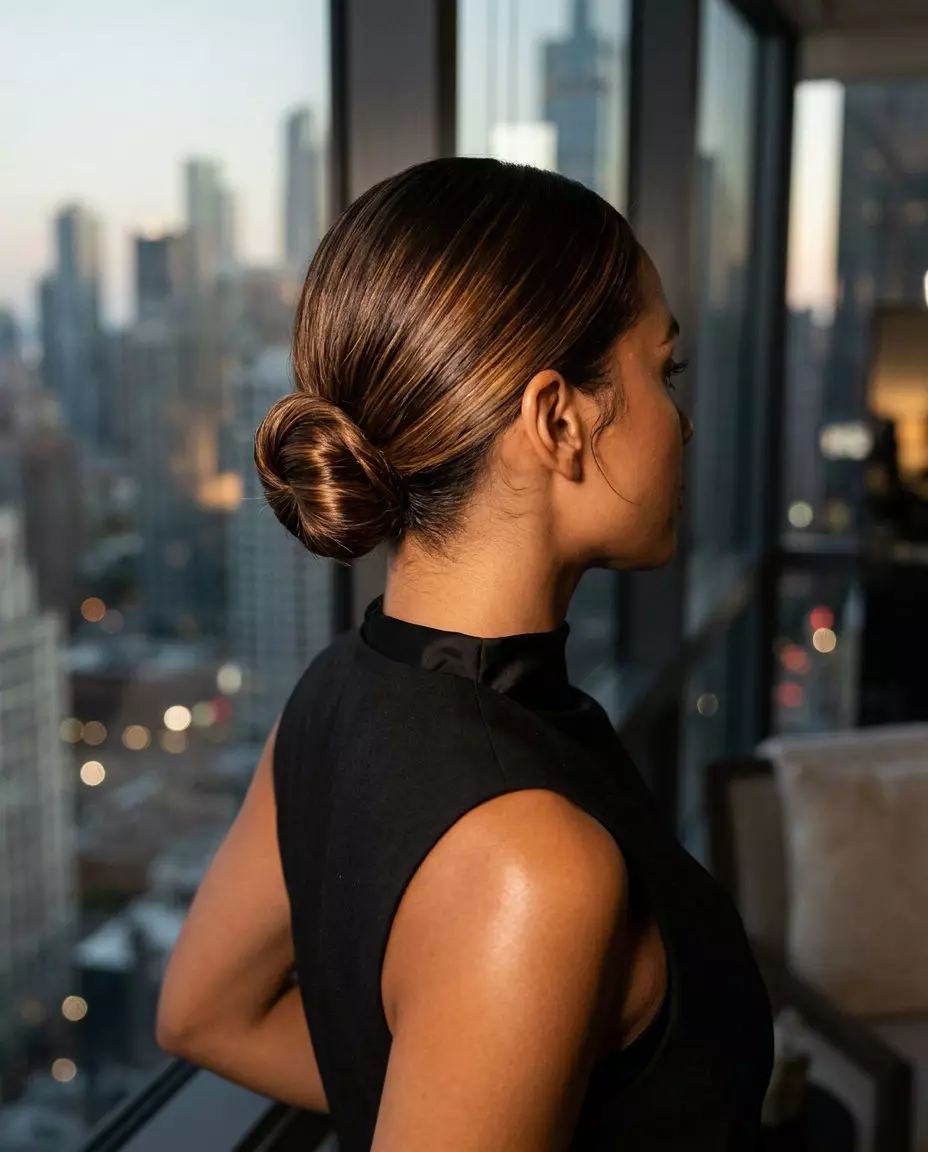
Wet your hair thoroughly, then comb a smoothing cream through from roots to ends while it’s still dripping. Blow dry the underside flat against your skull using your fingers as a guide—no brush, or you’ll create volume you’re trying to eliminate. Once fully dry, gather everything into a low ponytail at the nape, twist it once, and wrap it around itself into a knot shape, securing with bobby pins hidden inside the twist. An italian bob updo like this works on straight to wavy textures because the blunt cut of the original bob creates a clean silhouette when gathered. This holds through afternoon heat because you’re working with the cut itself, not fighting it.
The Platinum Pixie with Clipper Fade
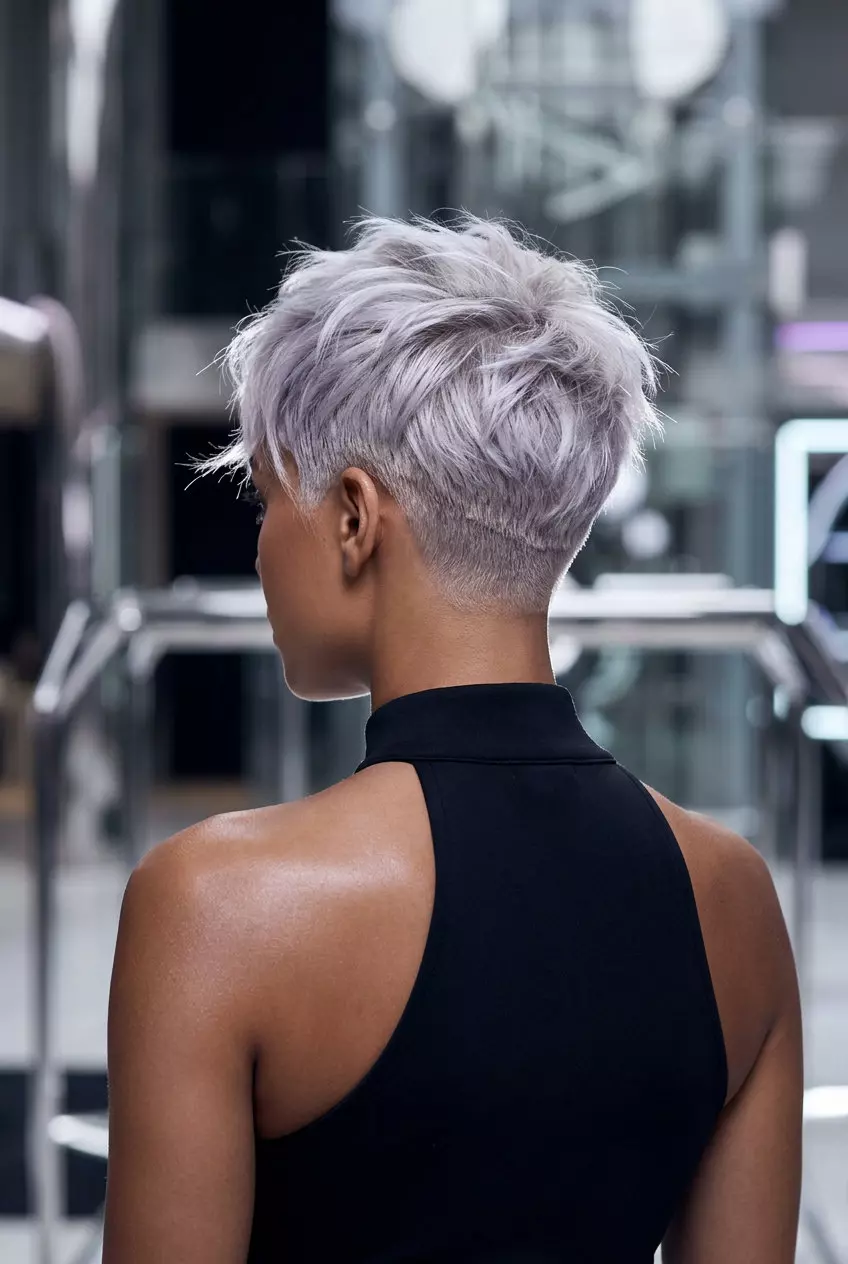
A platinum pixie haircut demands commitment—every 3-4 weeks for trims, every 4-6 weeks for root touch-ups. The payoff is immediate presence. Straight to slightly wavy hair holds this cut best, and fine to medium density works perfectly because the fade doesn’t disappear into bulk. The sharp lines dissolve under humidity, though, so expect day-two texture to soften the precision you’re after. Piecey styling with a texturizing paste brings back definition once the salon fade loses its edge.
The Apricot Crush Soft Half-Up Bun
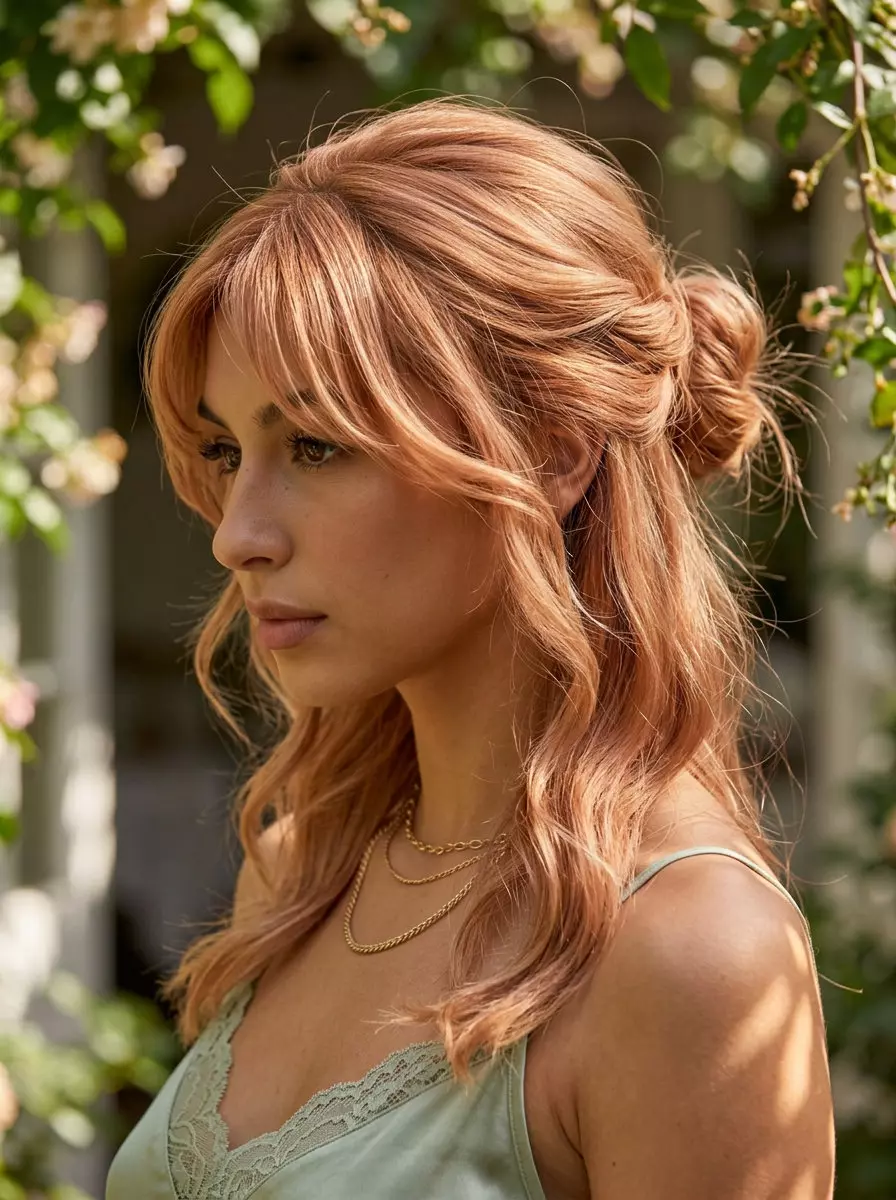
A soft half-up bun tutorial starts with intention but thrives on imperfection. Grab the top section loosely—pretend you’re not trying—then twist without tension and wrap it around itself into a shape that suggests order but doesn’t demand it. The apricot crush color (a warm, honeyed tone) looks alive in direct sun and muted in shadow, so this works indoors and out. Maintenance is medium: trim every 8-10 weeks, refresh the vibrant apricot shade every 4-5 weeks with a color-depositing mask at home. Wavy, fine to medium hair holds the softness that makes this read as intentional rather than lazy.
The Architectural Protective Braids
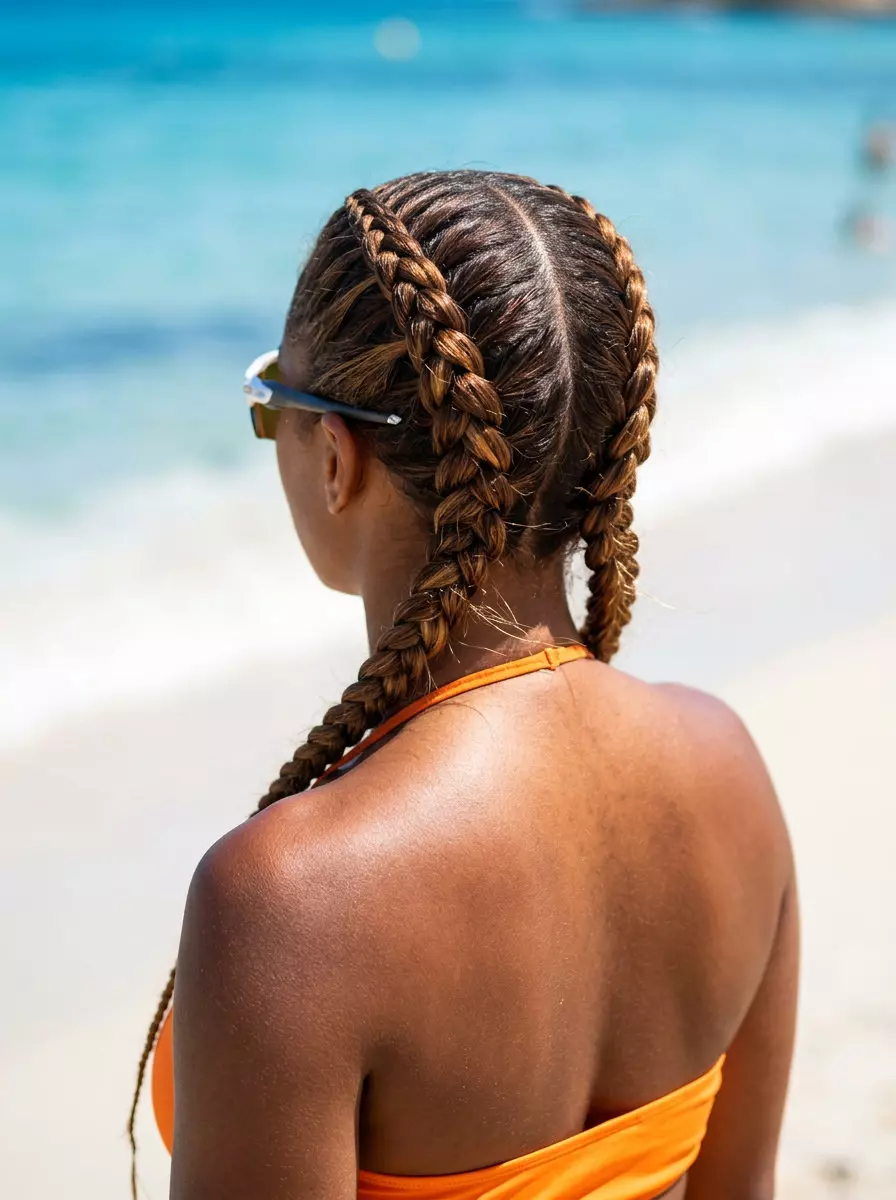
These braids demand precision and patience. Installation takes hours—expect 3-5 depending on the pattern complexity you choose. They hold for 1-2 weeks if you refresh the edges daily and treat your scalp with a light oil every few days. Curly, coily, and thick wavy hair is the baseline here; anything finer won’t grip. The geometry matters: dutch braids create sharper, more defined lines than regular three-strand work, and that architectural quality is what separates festival-worthy braids from basic protection. Syrup brunette undertones photograph like richness in high-noon sun, which is exactly when you’re wearing these.
The Espresso Martini Blunt Bob with Wet Finish
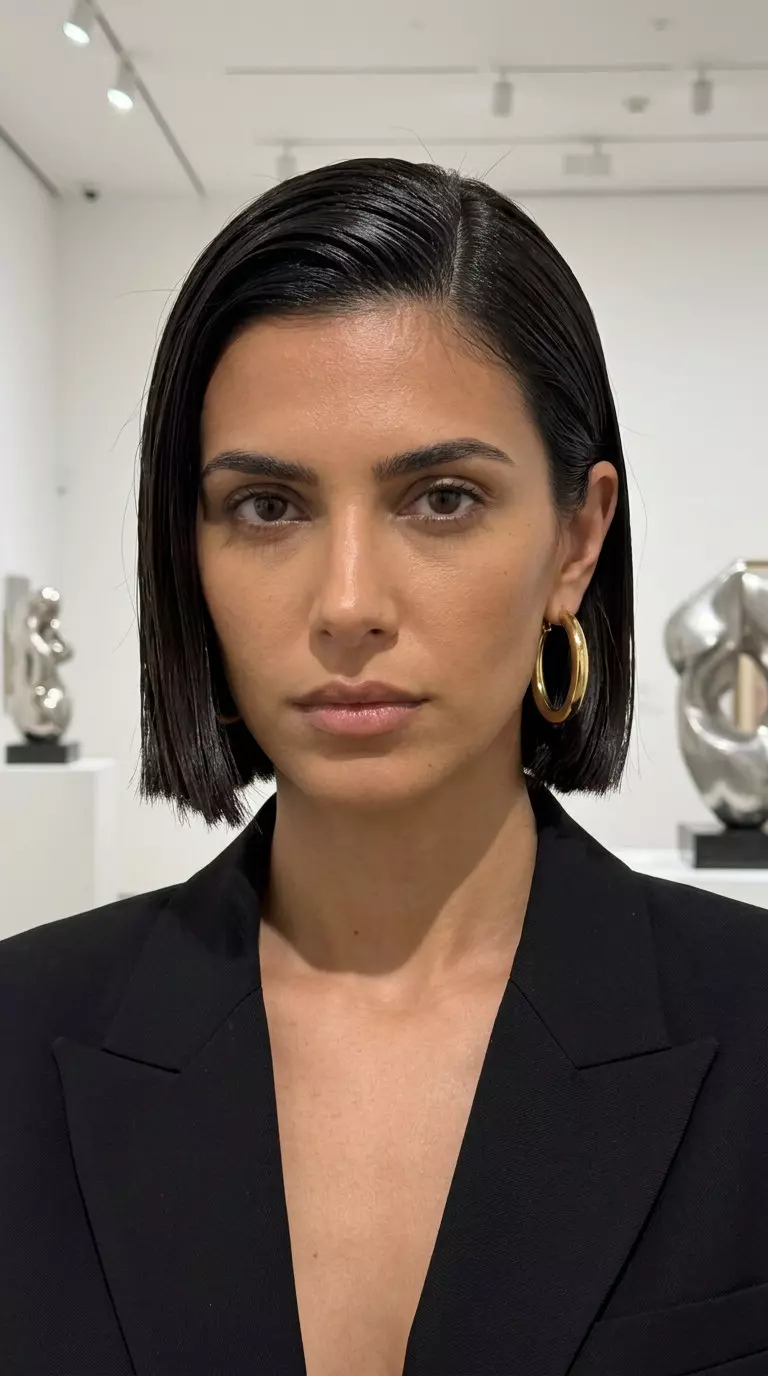
The wet-look bob tutorial starts with a blunt cut—straight, sharp, no layers. Straight to slightly wavy hair shows the line cleanly; fine to medium density keeps it from looking thin. The espresso martini color (deep brown with a hint of sheen) demands high-gloss finish gel or a wet-look spray applied while hair is damp, then air-dried or diffused on low. Trim every 6-8 weeks to keep that blunt edge alive; a demi-permanent color gloss every 8 weeks maintains depth. Flyaways ruin the effect, so this finishes best with smoothing serum applied only to the ends. It photographs sharper in cool, even light where the wet finish reads as intentional reflection rather than product buildup.
The Textured Updo with Pearl Clip
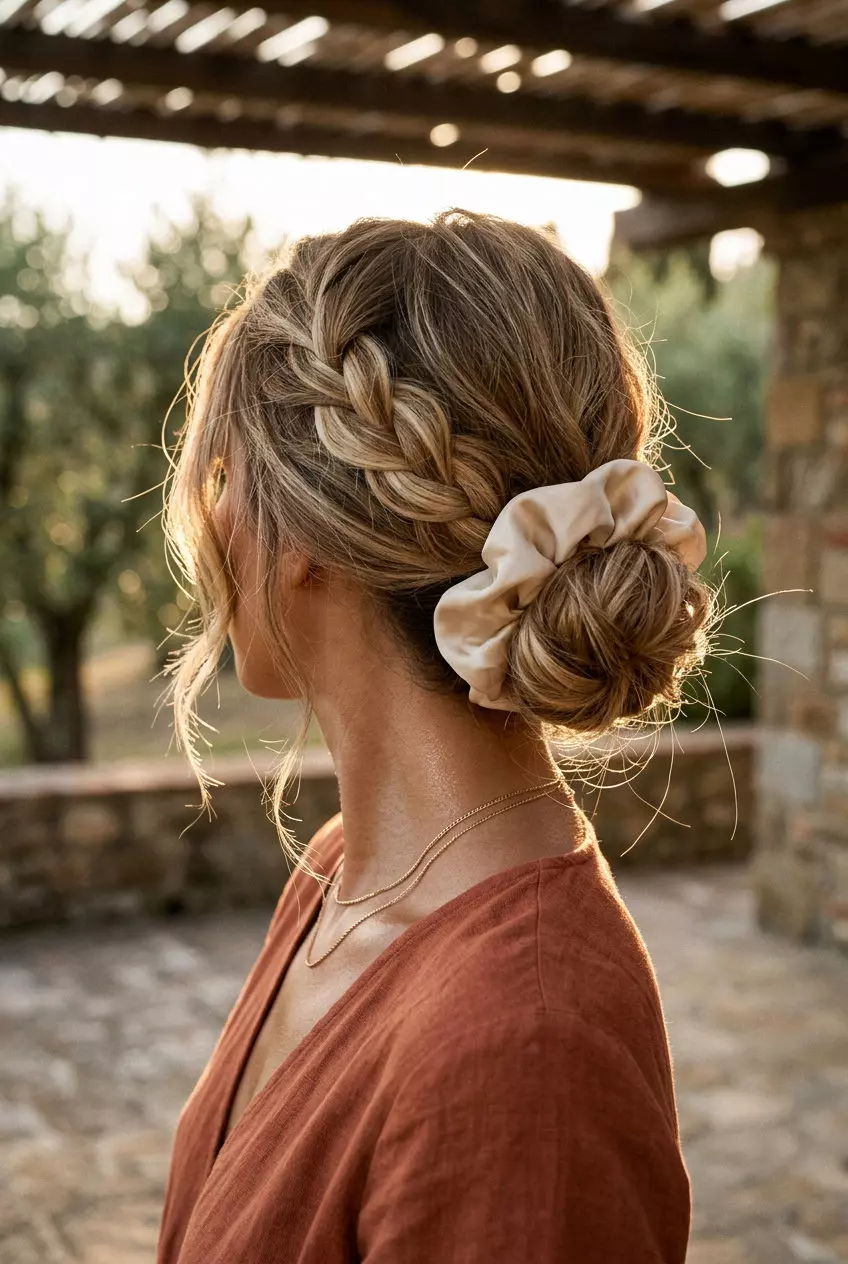
Wavy, fine to medium hair is the sweet spot for this one—the layers prevent the bun from looking too heavy or severe, and the texture does the work for you. Twist damp hair loosely at the crown, wrap it around itself, and secure with bobby pins tucked underneath so they disappear. A pearl or tortoiseshell clip slides in last, catching light when you move. The messy bun with hair accessory reads as intentional the moment you stop fussing with it. Day-two hair actually works better here; second-day texture grips without any added product. If your hair is straight or very fine, this flattens fast—start with a texturizing spray at the roots before you twist.
The Slicked Wet-Look Pixie
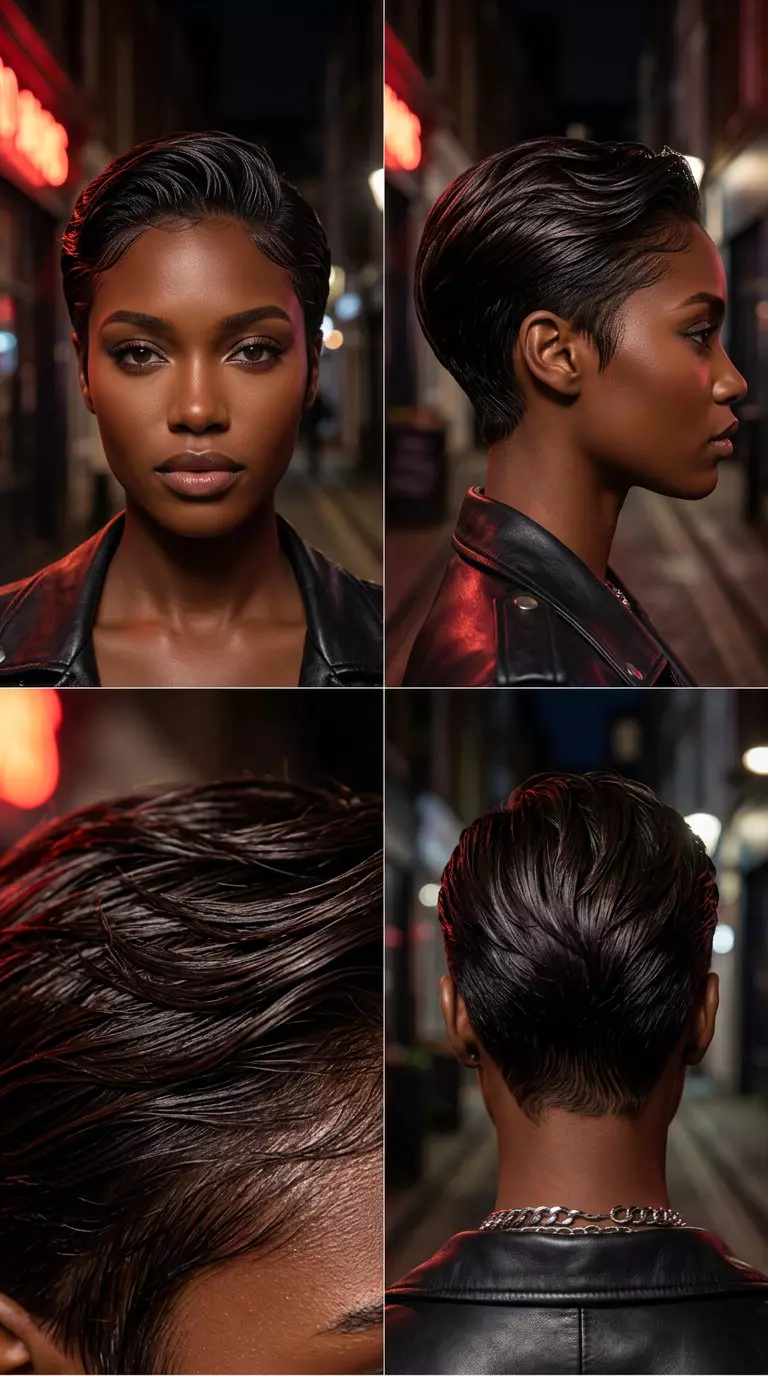
A wet look pixie cut demands sharp razoring at the nape and around the ears—this isn’t something to attempt at home the first time. Straight to wavy hair holds the gel-back shape all day without flattening, while fine hair requires a lightweight gel that won’t weigh it down. Slick it back when wet, let it dry under a hand-held dryer, and the spiky undercut emerges. The look reads punk-adjacent but works in any setting because the gloss makes it feel deliberate, not accidental. Maintenance hits different here: you’ll need a trim every 4 to 6 weeks or the edges blur and the whole thing reads sloppy instead of sharp.
The Slicked Half-Up Knot
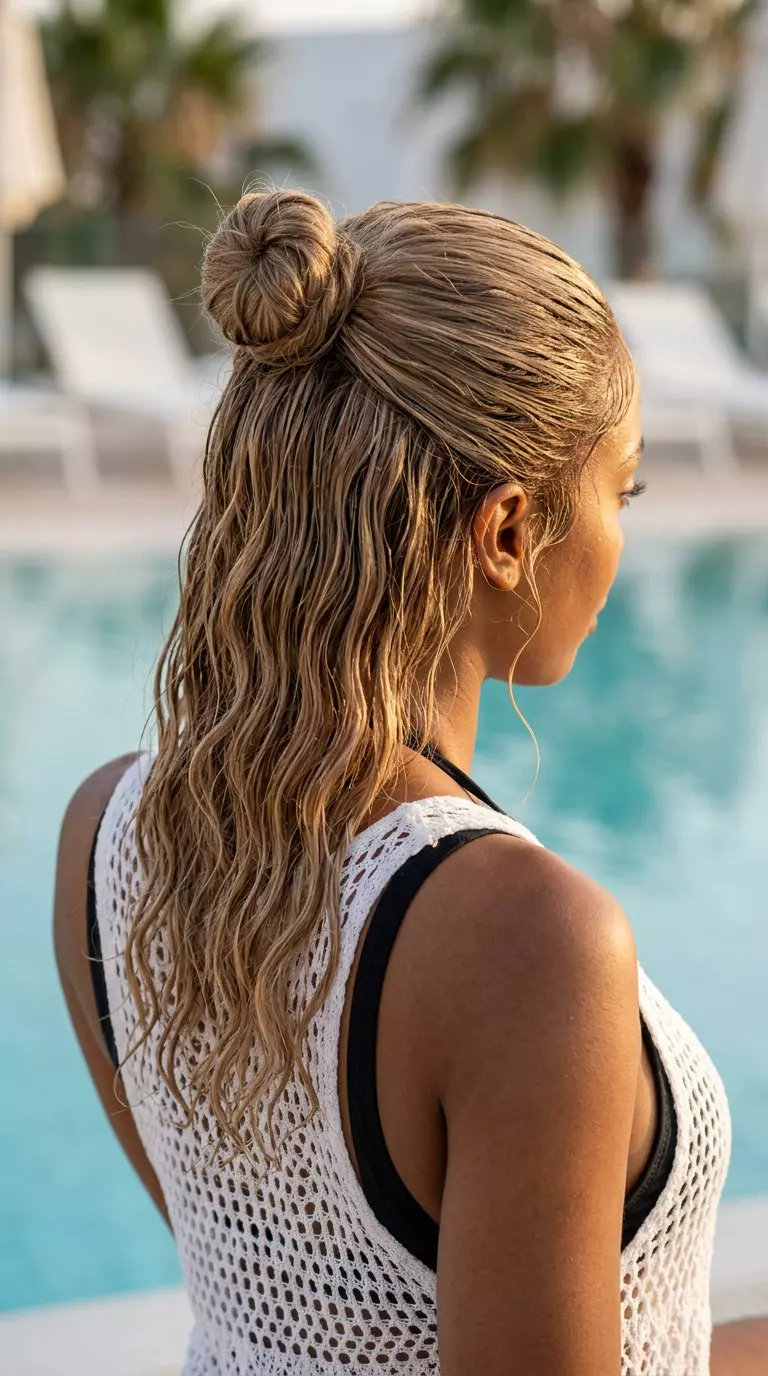
Take the upper half of damp hair, smooth it back with a lightweight gel, and twist it into a knot at the crown—secure with a single bobby pin hidden underneath. The lower half stays down and falls naturally, creating contrast between the sleek crown and the softer ends. This works on straight to wavy hair equally well, though wavy hair gets more dimension in the unfastened section. Blow-dry while the gel is still wet to lock the shape in place. The wet look half up style survives humidity better than you’d expect because the tension from the twist holds the slicked section firm, even when the loose half starts to frizz. Skip this if your hair is very thick or curly—the twist won’t grip tightly enough to hold the shape through the day.
The Festival Crown Braid
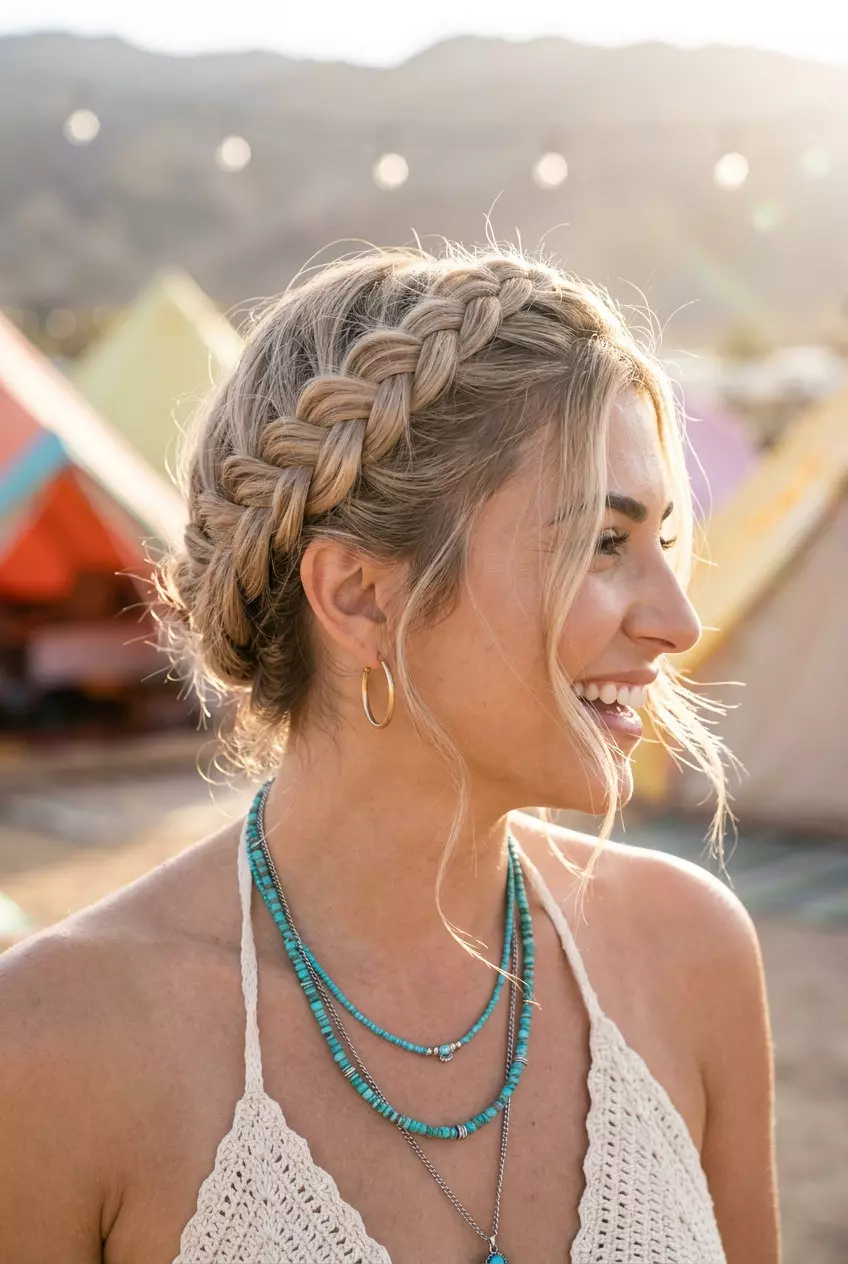
Start a French braid at one temple and wrap it around the crown like a halo, pinning the end behind the opposite ear—the textured French braid crown tutorial works on wavy or thick hair because the texture gives grip without extra products. The trick is pulling the braid loose after you’ve pinned it; run your fingers along each section and tease the strands outward so it reads as intentional, not tight. Face-framing pieces falling loose soften the whole thing and keep it from looking costume-like. Attempt one on damp hair with a little sea salt spray in it—the grit helps the braid hold and gives you that textured boho look without having to braid three times. Thick hair holds this for hours; medium hair stays put through one full festival day before needing a re-pin behind the opposite ear.
The Architectural Top Knot
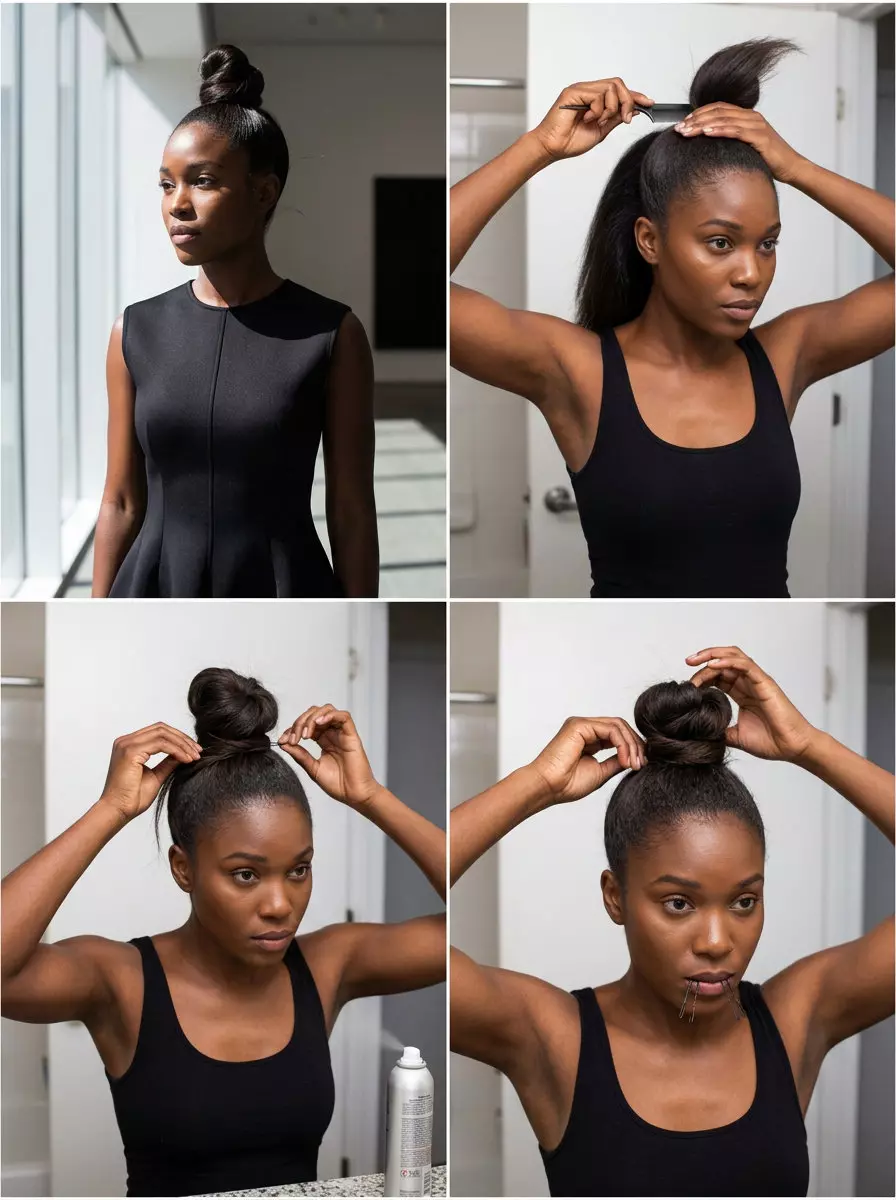
An architectural top knot demands precision—think sculpture, not cloud. Straight to wavy hair with medium to thick texture works best because layers create the volume needed for height and structure. Sleek the sides completely, gather at the crown, and tease the base before wrapping. The front pieces stay down for drama. After three attempts, the hand memory takes over and you stop fighting the geometry of it.
The payoff is a statement that holds for eight hours minimum, even in humidity. Hair that’s day-two or slightly textured actually grips better than freshly washed strands. Use a lightweight gel at the roots and a mist-hold spray for the final sculpted form. Regular trims every ten to twelve weeks keep the layers sharp and the overall effect intentional rather than accidental.
The Scandi Slick French Twist
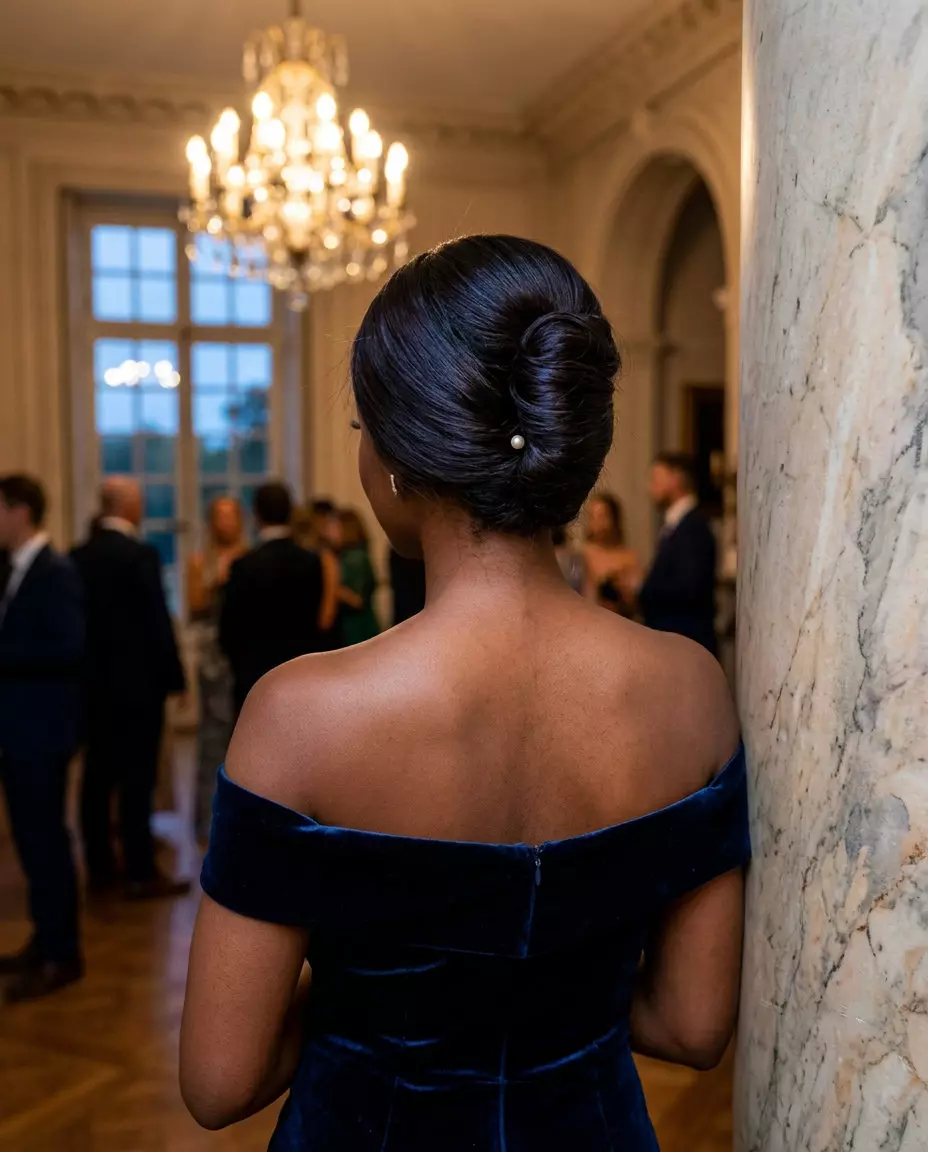
Humidity destroys most updos, but a high-gloss scandi slick french twist tutorial actually thrives in it because the water content helps the sleek formula grip without frizz breaking through. Straight to wavy hair with medium texture takes to this best—just wet the roots down, apply a gel with hold, and smooth everything back before you begin the twist. Create a deep side part. Twist from one ear toward the opposite side, rolling the ends under and pinning the structure in place with bobby pins that match your color.
The wet finish is doing the work here—it’s not about shine for shine’s sake but about a damp-look seal that keeps every strand locked down. After the first run, understand that this takes fourteen minutes tops when you stop second-guessing yourself. The twist sits higher than you think it should and that’s the point. No loose tendrils, no softness, no apology.
The Braided Space Buns Tutorial
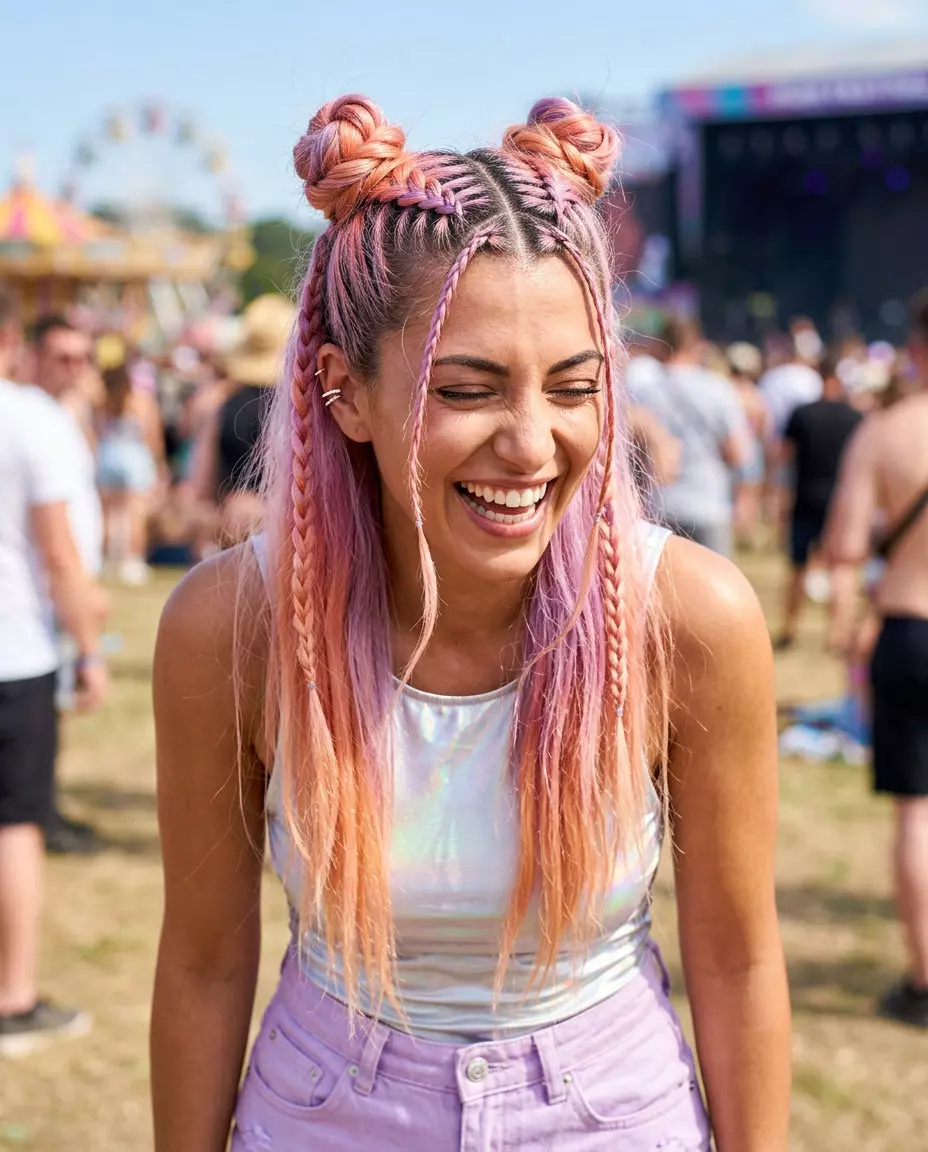
A braided space buns tutorial works best on curly, coily, or thick wavy hair because the natural texture holds the braids without them slipping or feeling pulled too tight across the scalp. Divide the hair down the center from forehead to nape. Create two low pigtails. Braid each one loosely—tension kills the playfulness—then coil each braid into a bun at the sides of the head, pinning gently. Leave small pieces loose around the face. Attempt one looks chaotic; attempt three looks intentional.
This is the festival move, the high-energy move, the move that asks for color. Pastel dyes or temporary vivid hues sit differently in braids than in loose hair because the texture changes light absorption. The style holds through eight hours of movement and heat because braided hair is inherently more secure than loose styles. Refresh the front pieces once midday and you’re done. No maintenance beyond that.
The Wet-Look Shag with Textured Layers
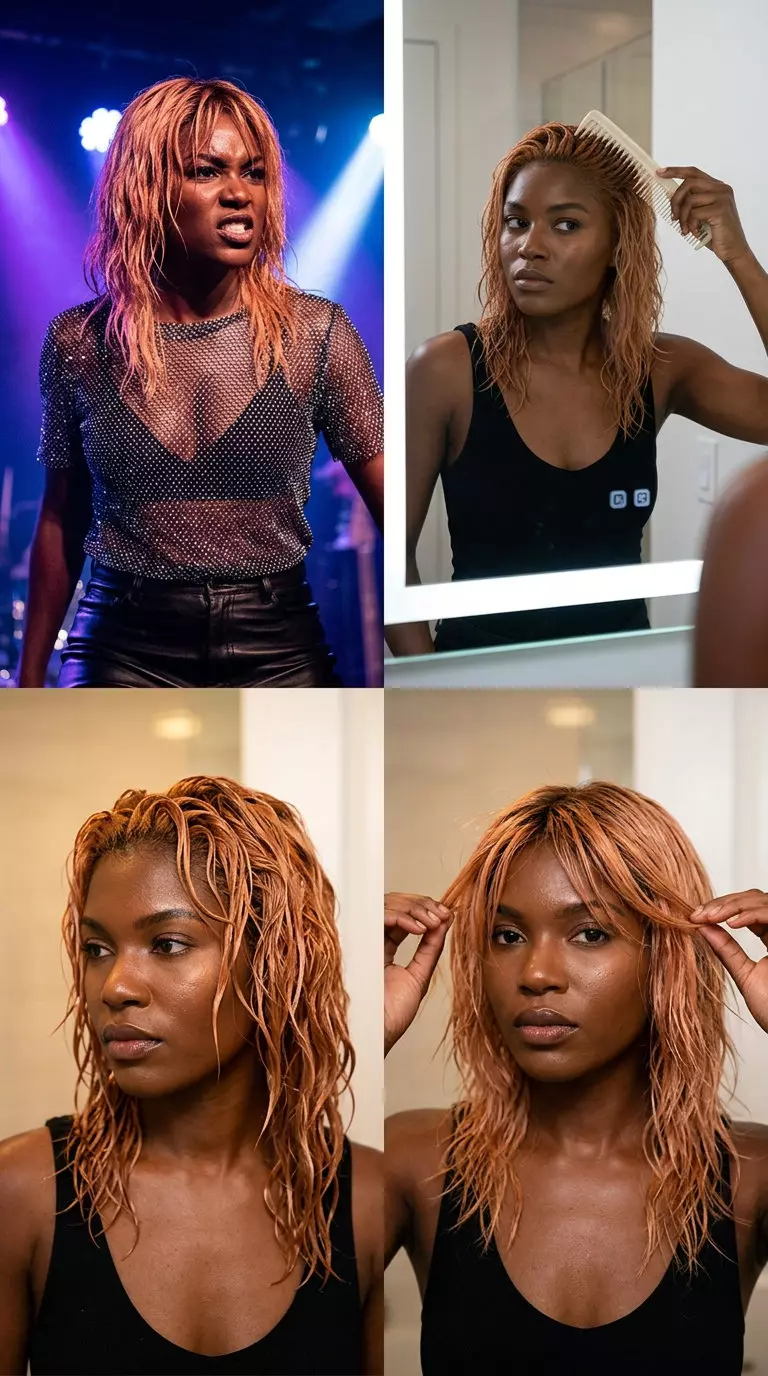
This is rock-and-roll hair that actually works in July. The wet look shag haircut thrives on wavy to medium textures with fine-to-thick density, and the layers do the heavy lifting—they bring natural movement without requiring you to blow-dry for ten minutes. Start with damp hair, apply a texturizing spray to the roots and mid-lengths for grip, then use a flat iron to carve out the layers by twisting small sections away from your face. The tousled result hides second-day grease and works better when it looks slightly undone, which means less fussing in August heat. One warning: if your hair is bone-straight and dense, the layers flatten fast and you’ll chase the texture daily.
The Festival Crown Braid with Apricot Crush
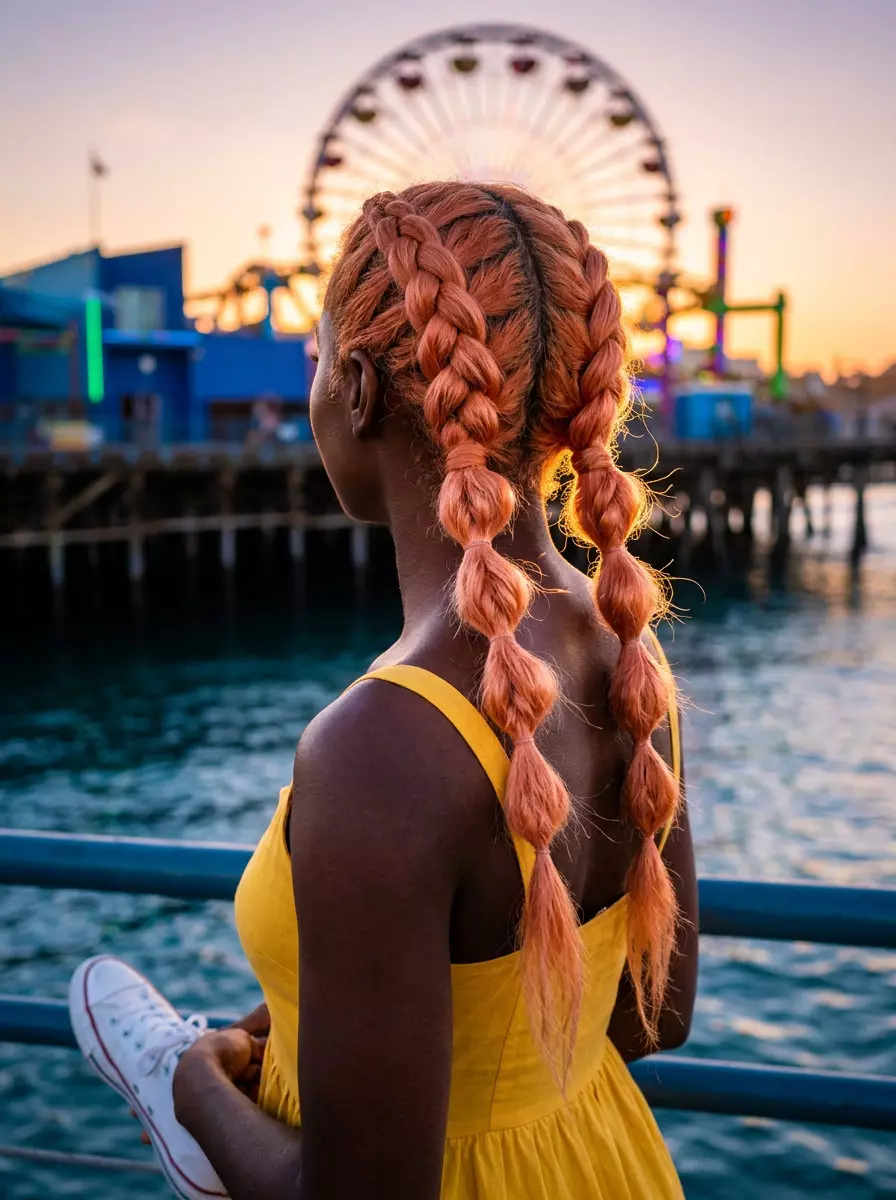
Braided pigtails for festivals hit different when you’re working with long layered hair and a warm, saturated color like apricot crush. These aren’t your childhood braids—they sit high on the crown and interlock slightly, creating dimension that reads as intentional rather than accidental. Section off from temple to temple, braid each side tight enough to hold in movement but loose enough that flyaways read as design, not damage, then wrap the ends with a thin elastic in a matching tone. The color pops even more when your braids are slightly imperfect; that’s where the energy lives. Thick, wavy, curly hair owns this look instantly, though if you’re fine-haired, spray the roots first so the braids don’t slip halfway through the day.
The Platinum Spiky Pixie with Undercut
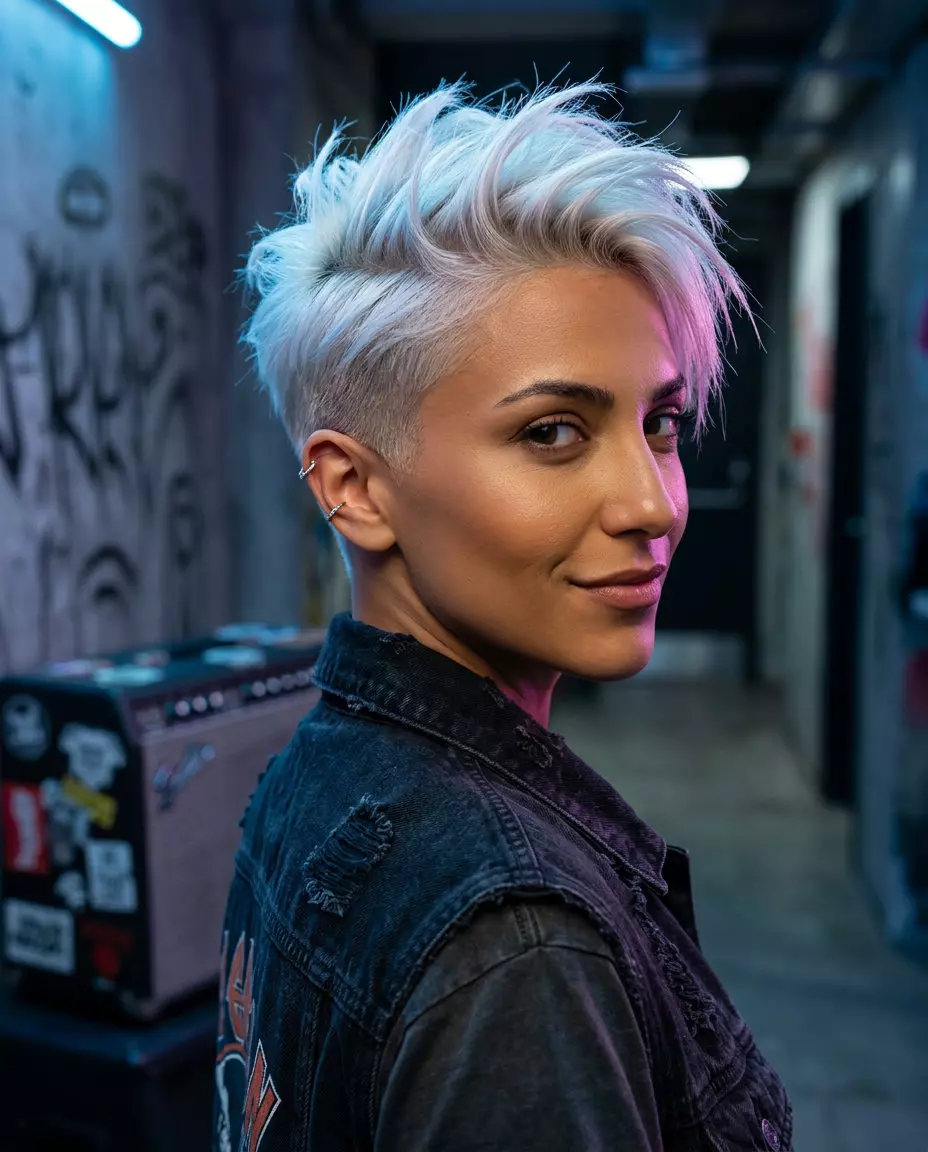
A sharp undercut paired with spiky platinum texture requires actual salon work—this isn’t a DIY situation unless you’ve clippered hair before and own a steady hand. The undercut starts low, around the ear, and blends into longer, choppy layers on top that you’ll style forward and up with texture. Straight to medium-textured hair works best here; the platinum needs toning every four to six weeks, which is non-negotiable if you’re avoiding brassy regret. The payoff is real: this cut reads dangerous without being complicated once it’s grown in, and the maintenance becomes a simple trim every six weeks plus the toner routine. For spiky pixie styling products, a matte clay or paste works better than anything shiny—apply to dry hair, work upward from the nape, and let gravity and your fingers do the spiking.
The Textured Mid-Height Ponytail with Syrup Brunette
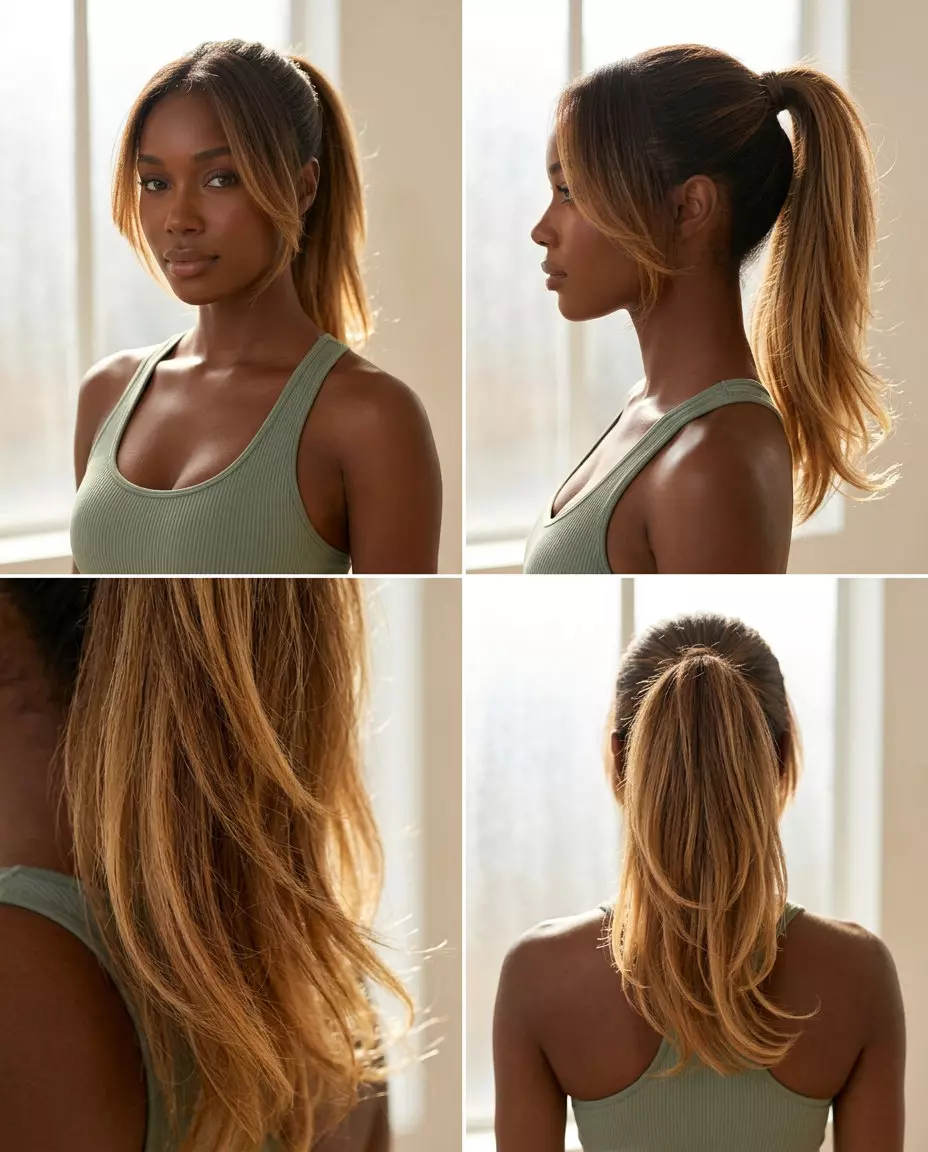
A kitty cut ponytail is technically a high ponytail with choppy, face-framing layers that you can wear down or secured—the real magic lives in the layers, which add volume without actual thickness. Fine to medium hair with natural wave or straight texture gains instant body from this cut, and when you pull it into a mid-height tail at the crown, those layers create texture rather than flatness. The syrup brunette base (a warm, medium brown with just enough dimension to catch light) pairs naturally with this style because the movement shows off the color dimension. Trim every eight to ten weeks to maintain the shape, and when you wear it down, the layered front pieces fall asymmetrically, which is the whole point. Spray the ponytail base with a light texture spray before securing so the tail itself looks lived-in rather than slick.
Still Deciding? Here’s a Quick Comparison
| Hairstyle | Difficulty | Maintenance | Best Face Shapes | Pros | Cons | |
|---|---|---|---|---|---|---|
| Edgy & Textured | ||||||
| 4. The Apricot Shag | Moderate | Medium — every 6-8 weeks | heart, diamond, oval | Suits most face shapesWorks on multiple texturesLayers add movement | Not ideal for fine hair |
| 10. The Espresso Hydro-Bob | Moderate | Medium — every 6-8 weeks | all face shapes | Works on multiple texturesWorks with air-drying5-minute styling | Not ideal for very curly hair |
| 12. The Wet Look Pixie | Moderate | Medium — every 4-6 weeks | All face shapes | Suits most face shapesWorks on multiple texturesLayers add movement | Not ideal for very curly hair |
| 18. The ‘Scandi-Slick’ French Twist Hairstyles | Moderate | Medium — every 8-10 weeks | oval, long, heart | Suits most face shapesWorks on multiple texturesLayers add movement | Not ideal for very curly hair |
| 21. The Wet Look Shag | Moderate | Medium — every 8-10 weeks | All face shapes | Suits most face shapesWorks on multiple texturesLayers add movement | Not ideal for very curly hair |
| 23. The Platinum Power Pixie | Moderate | High — every 4-6 weeks | oval, heart, diamond | Suits most face shapesWorks on multiple texturesLow-maintenance roots | Frequent salon visits needed |
| Classic & Clean | ||||||
| 1. The Sleek Summer Architect | Moderate | Medium — every 10-12 weeks | oval, long, heart | Suits most face shapesWorks on multiple texturesLayers add movement | Not ideal for very curly hair |
| 2. The Polished Claw Clip Updo | Easy | Low — every 8-10 weeks | long, oval, square | Low maintenanceEasy to style at homeSuits most face shapes | Not ideal for very curly hair |
| 3. The Coastal Chic Lob | Moderate | Low — every 8-10 weeks | oval, long, heart | Low maintenanceSuits most face shapesWorks on multiple textures | Not ideal for very curly hair |
| 5. The Italian Bob’s Sleek Knot Hairstyles | Moderate | Medium — every 6-8 weeks | oval, heart, long | Suits most face shapesWorks on multiple texturesLayers add movement | Not ideal for very curly hair |
| 6. The Arctic Pixie Crop | Salon-only | High — every 3-4 weeks | oval, heart, square | Suits most face shapesWorks on multiple texturesLow-maintenance roots | Requires professional styling |
| 8. Architectural Dutch Braids Hairstyles | Moderate | Medium — trim every 5-6 weeks | round, square, diamond | Suits most face shapesWorks on multiple texturesLayers add movement | Not ideal for fine hair |
| 13. The Wet-Look Half-Up, Half-Down Hairstyles | Easy | Low — every 10-12 weeks | All face shapes | Low maintenanceEasy to style at homeSuits most face shapes | Not ideal for very curly hair |
| 14. The Sun-Kissed Festival Crown | Moderate | Medium — every 8-10 weeks | round, square, oval | Suits most face shapesWorks on multiple texturesLayers add movement | Not ideal for very curly hair |
| 16. Architectural Top Knot | Moderate | Medium — every 10-12 weeks | oval, round, heart | Suits most face shapesWorks on multiple texturesLayers add movement | Not ideal for very curly hair |
| 20. Festival Fusion Braids | Moderate | Medium — every 4-6 weeks | round, diamond, oval | Suits most face shapesWorks on multiple texturesLayers add movement | Not ideal for fine hair |
| 22. The Festival Braided Pigtails Cut | Moderate | Medium — every 10-12 weeks | round, square, oval | Suits most face shapesWorks on multiple texturesLayers add movement | Not ideal for fine hair |
| Soft & Romantic | ||||||
| 7. The Apricot Dream Weaver | Easy | Medium — every 8-10 weeks | heart, diamond, oval | Easy to style at homeSuits most face shapesWorks on multiple textures | Not ideal for very curly hair |
| 11. Accessorized Messy Bun Hairstyles | Easy | Low — every 8-10 weeks | All face shapes | Low maintenanceEasy to style at homeSuits most face shapes | Not ideal for very curly hair |
| 25. The Kitty Cut’s Effortless Ponytail | Easy | Medium — every 8-10 weeks | heart, diamond, oval | Easy to style at homeSuits most face shapesWorks on multiple textures | Not ideal for very curly hair |
Frequently Asked Questions
What are the easiest hot day hairstyles to DIY for beginners?
The Polished Claw Clip Updo takes 5-7 minutes and requires zero styling skill—just clip and go. For something even more forgiving, the Coastal Chic Lob lets your natural texture do the work; air dry it and you’re done.
How do I prevent frizz and flyaways for sleek looks in humidity?
Both the Sleek Summer Architect and the Italian Bob’s Sleek Knot rely on anti-humidity sealant spray applied before styling, followed by strong-hold gel after. Think of it as armor against moisture, not just hairspray—you’re locking out humidity at the molecular level.
Can I do these styles if my hair isn’t perfectly straight?
Absolutely. The Coastal Chic Lob and the Apricot Shag are designed to enhance natural wavy or curly textures through air drying or diffusing. They work *because* of texture, not in spite of it.
Which hairstyles keep all the hair off my neck on truly hot days?
For maximum neck clearance, the Sleek Summer Architect high ponytail and the Italian Bob’s Sleek Knot are your best bets. The Polished Claw Clip Updo also keeps everything secured and off your skin all day.
Final Thoughts
The truth about hot day hairstyles summer 2026: they’re not about fighting the heat—they’re about surrendering to it strategically. Armed with texturizing spray and anti-humidity sealant, you’ve got five styles that actually work in triple-digit weather, which is more than most people can say.